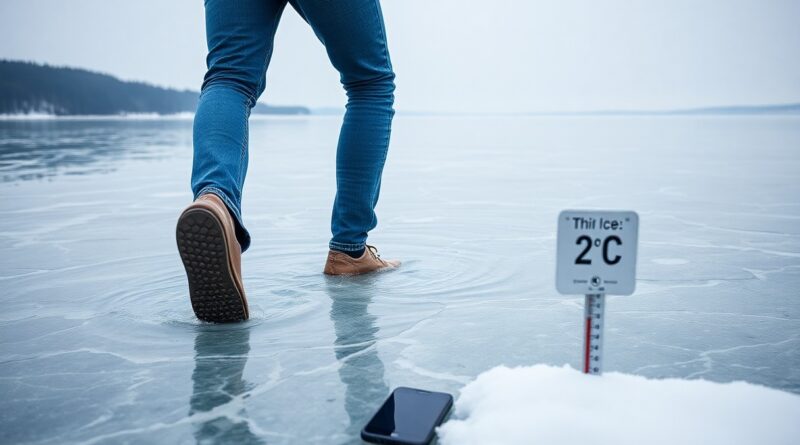
Common Mistakes Beginners Make in Winter Swimming {Problem‑prevention article aimed at first‑time winter swimmers.
You can underestimate how quickly cold water affects you; common mistakes include skipping gradual acclimatization, going out alone, ignoring early signs like shivering, and lacking a clear exit and warming plan. These errors raise the risk of cold shock and hypothermia, while adopting gradual exposure, proper gear and a buddy/safety plan prevents harm.
Key Takeaways:
- Acclimate gradually and control breathing on entry to prevent cold shock and hyperventilation; start with short immersions and increase time slowly.
- Prioritize safety planning: never swim alone, set clear exit points and time limits, carry a whistle or flotation aid, and inform someone of your route and expected return.
- Prepare and recover properly: warm up before entering, have dry clothes and a hot drink ready, avoid alcohol and intense exertion, and consult a doctor if you have heart or respiratory conditions.
Understanding the Risks
You must assess immediate dangers: water below 15°C sharply raises the likelihood of hypothermia and cold water shock, and reports show many cold-water drowning incidents occur within the first 1-3 minutes. Plan for supervision, flotation, and short exposure times; your coordination and judgment degrade rapidly as core temperature falls and breathing becomes erratic.
Hypothermia
When your core drops below 35°C you enter mild hypothermia with shivering and impaired fine motor skills; under 32°C expect confusion and slurred speech, and below 30°C the risk of cardiac arrest rises. In water at 5-10°C you can lose effective swimming ability in about 10-30 minutes, so limit exposure, use insulating layers, and have an immediate exit plan.
Cold Water Shock
Sudden immersion in water under ~15°C triggers an involuntary gasp within seconds and rapid hyperventilation that can draw water into your lungs; at the same time blood pressure and heart rate spike, increasing the chance of arrhythmia or cardiac arrest for susceptible individuals. The first 1-3 minutes are the most dangerous, so your entry technique and flotation choice matter most.
More on Cold Water Shock: Enter gradually-wade for 30-60 seconds and get breathing under control before full immersion; wear a 3-5 mm wetsuit or buoyant vest to reduce the shock response, always swim with a buddy and a visible tow-float, avoid alcohol, and keep initial swims very short (commonly 2-10 minutes depending on temperature) while you build tolerance.
Preparing for Your First Swim
Before you enter the water, plan a 5-10 minute shoreline acclimatization and set a conservative first-swim limit of 60-180 seconds; hypothermia risk increases sharply after ~10 minutes. Bring a buddy, agree a hand signal and a maximum swim time, and check local ice, current, and exit points. For community tips and local hazards see Some really constructive sensible advice following the group discussion.
Essential Gear
Pack a neoprene cap (3-5mm), gloves and booties-use 5mm for water under 5°C-plus a quick-dry towel, insulated change robe and a thermos with warm drink. Bring a whistle, spare dry clothes and a phone in a waterproof pouch; these items cut your risk and speed your recovery. If you plan repeated sessions, invest in a 2-3mm wetsuit to extend safe swim time.
Physical Conditioning
You should build tolerance progressively: start with cold showers 30 seconds, three times per week, then increase to 60-90 seconds over two weeks; complement with 30 minutes of aerobic exercise 3× weekly to improve circulation. Practice controlled breathing-6-10 deep breaths before entry-and avoid prolonged breath-holds, which greatly raise risk of blackouts and cold-water drowning.
Follow a four-week plan: Week 1-30s cold showers + 20 min light jogging; Week 2-60s showers + 30 min cardio; Week 3-interval sprints and 90s exposure; Week 4-supervised open-water entries up to 3 minutes. If you have hypertension or heart disease, you must get medical clearance; cardiac events are rare but present the highest risk when you start.
Safety Precautions
Adopt layered safeguards: wear a neoprene cap and gloves when water is below 10°C, have a warmed shelter and insulated blanket within 10 meters, carry a charged phone in a waterproof case, and set a strict 60-90 second first‑swim limit. Keep an emergency plan and a visible exit route; water below 15°C sharply raises hypothermia risk and response time is short.
Swimming with a Buddy
Always use the buddy system: swim where you can maintain visual contact and agree roles before entry-one watches from shore while the other swims; swap frequently. Prearrange hand signals, stay within 10 meters, and keep a throw rope and warm drink nearby; do not swim alone, since most cold‑water incidents escalate within minutes and immediate help saves lives.
Knowing Your Limits
Start conservatively: limit initial immersions to 60-90 seconds and increase by no more than 30 seconds per week, tracking how you feel before, during, and for 30 minutes after. If you have heart or respiratory conditions, get medical clearance. Stop immediately if you feel disoriented, clumsy, or numb-those are early signs you’ve reached your limit.
Use simple measures to gauge capacity: note your resting heart rate and perceived exertion on a 1-10 scale, and test fine motor control-if you can’t button a glove or make a fist, exit at once. Warm up immediately with dry clothes and a hot drink, and monitor your sensations for at least 30 minutes; delayed hypothermia can appear after you’ve left the water.

Common Technique Errors
Small technical slips-misjudging depth, rushing footing, or gasping for air-multiply risk in cold water where cold shock peaks in the first 1-3 minutes. You should prioritize controlled movements: slow entries, economy of motion, and conservative pacing reduce energy loss and lower the chance of panic. Coaches report most avoidable incidents happen during transitions and the initial 60 seconds, so treat technique as a safety tool, not just efficiency.
Entry and Exit Techniques
You should always test footing and water depth before committing: probe with a pole or foot and avoid steep drop-offs. Enter slowly-knees bent, weight low-and keep three points of contact on ladders or rocks. Do not jump in when water is below 15°C; a deliberate wade or seated entry cuts the risk of a slip or sudden immersion that triggers cold shock. On exit, aim for the nearest stable step and lift your hips to avoid straining frozen muscles.
Breathing and Stroke Techniques
You need to exhale steadily underwater and inhale quickly and calmly above it to prevent the involuntary gasp that worsens cold shock. Switch to longer, slower strokes that lower stroke rate and conserve heat; many swimmers find bilateral breathing every 3 strokes improves balance in choppy conditions. Avoid hyperventilating before entry-controlled, shallow breaths before immersion keep heart rate steadier and reduce early panic.
Practice specific drills: on land rehearse 4 seconds exhale / 2 seconds inhale for five cycles, then in water do 4 × 25m focusing on full underwater exhale and a calm inhalation on the side. If you feel breathless, stop, float on your back and reset breathing for 30-60 seconds before continuing. Do not push past uncontrolled breathlessness; technique drills reduce fatigue and the chance of an unsafe, rushed exit.
Mental Preparation
Plan a short mental rehearsal onshore: visualise entering, steadying your breath, and exiting within your set limit. Spend 5-10 minutes running through the sequence and practicing 6 breaths per minute (inhale 4s, exhale 6s) to lower heart rate. Treat the first three swims as experiments – keep them to 60-120 seconds to reduce the risk of cold shock and build confidence.
Overcoming Fear
Break the fear into graded steps: feet only, waist-deep, shoulder immersion, then full entry, holding each stage for 30-60 seconds. Use a buddy or coach; many instructors report that staged exposures across 3-5 sessions shift anxiety into practical control. When panic rises, label the sensation (“cold, fast breathing”) and return to your breathing pattern to interrupt the escalation.
Staying Calm
Adopt a paced-breath routine before and during entry: inhale for 4 seconds, exhale for 6 seconds, repeating for at least 2 minutes to suppress hyperventilation and lower heart rate. Focus on long exhales to prevent gasping; this method reduces sympathetic drive and helps you stay functional in water under 15°C.
In practice, cue your body with a short ritual: 2 minutes of paced breathing, a 5-count visualization of the exit point, then a slow three-step approach into the water. If your breathing quickens, stop, step back, and reset with one full minute of controlled breaths. This sequence has a predictable calming effect and keeps you safe by minimizing the chance of involuntary gasping or disorientation.
Post-Swim Care
Dry off and get into warm, dry layers within minutes to reduce heat loss; if you notice intense shivering, confusion, or slurred speech, treat it as possible hypothermia. Apply a warm, dry hat and insulated jacket, avoid vigorous rubbing of cold limbs, and monitor for afterdrop (core temperature falling after leaving the water). For practical FAQs and cold-related guidance see 8 questions winter swimmers ask about cold.
Rewarming Strategies
Start passive rewarming: shelter, dry clothes, and warm drinks first; use chemical heat packs on the torso and groin to protect core temperature. If you’re awake and alert, add gentle movement and an insulated blanket; avoid rapid rewarming like hot baths when you’re numb or collapsed because rapid peripheral vasodilation can worsen core cooling. Never give alcohol-its vasodilation increases heat loss and impairs judgment.
Hydration and Nutrition
Cold diuresis can dehydrate you, so prioritize warm fluids and quick carbs: aim for about 250-500 ml of warm, non-alcoholic fluid within 30 minutes and a 200-300 kcal snack to restore energy. Electrolyte drinks or a mug of broth help replace salts lost from shivering and exertion; avoid alcohol until fully rewarmed and rehydrated.
Choose easy-to-digest, warming options: a cup of hot broth (200-300 ml) plus a banana or oatmeal provides sodium, potassium and 30-50 g of carbohydrates to stabilize blood sugar. Include 15-25 g of protein-tinned tuna, a protein bar, or a scoop of nut butter-to aid muscle recovery. If you’ve been in very cold water for long or feel faint, measure fluid intake (targeting another 300-600 ml over the next hour), monitor urine color, and seek medical help for persistent dizziness, coordination loss, or inability to warm up.
To wrap up
The common mistakes beginners make-underestimating cold, skipping gradual acclimatization, lacking an exit plan, hyperventilating, swimming alone, and using improper gear-heighten risk; you reduce danger by pacing exposure, warming up, practicing controlled breathing, wearing suitable clothing, never going solo, and briefing someone on your route and timeline so your progress stays safe and sustainable.
FAQ
Q: What preparation mistakes do beginners often make before their first winter swim?
A: Common errors include skipping a medical check if you have heart, lung, or circulation issues; failing to check local water and ice conditions; going alone; and not planning an exit or warm-up strategy. Prevent these by consulting a healthcare professional if you have chronic health problems, joining an experienced group or bringing a buddy, scouting the entry and exit points beforehand, checking weather, water temperature and ice thickness, and setting a strict time limit for your first swims. Wear layered warm clothing for before-and-after, bring dry clothes, a hat and insulated footwear, and carry a whistle or phone in a waterproof case.
Q: How do beginners accidentally trigger cold shock or hypothermia, and how can they avoid it?
A: Entering water too quickly, gasping and hyperventilating, swimming hard immediately, or staying in too long are frequent causes of cold shock and rapid cooling. Avoid these by using a controlled entry (walk or gradual immersion), keeping breathing slow and deliberate during the first minute to prevent gasp reflex, limiting initial immersions to short durations (often under 1-3 minutes for true beginners), and building tolerance gradually over multiple sessions. Monitor for early warning signs-intense uncontrollable shivering, numbness, confusion or poor coordination-and exit promptly if they appear. Never swim alone and have a buddy watch for changes in behavior or movement.
Q: What post-swim mistakes increase risk of afterdrop or delayed hypothermia, and what should a first-time winter swimmer do instead?
A: Common post-swim errors are staying in wet clothes, using alcohol to “warm up,” rushing into a very hot shower or sauna immediately, and inadequate insulation during the rewarming period. To prevent afterdrop and stabilize core temperature, exit the water quickly, remove wet clothing, dry off thoroughly, and put on insulated, windproof layers and a hat. Rewarm gradually with warm (not scalding) beverages and sheltered warmth; avoid intense exertion that can draw cold blood from extremities toward the core before you’re rewarmed. If shivering is violent, coordination is poor, or consciousness or breathing is altered, seek medical attention immediately.
