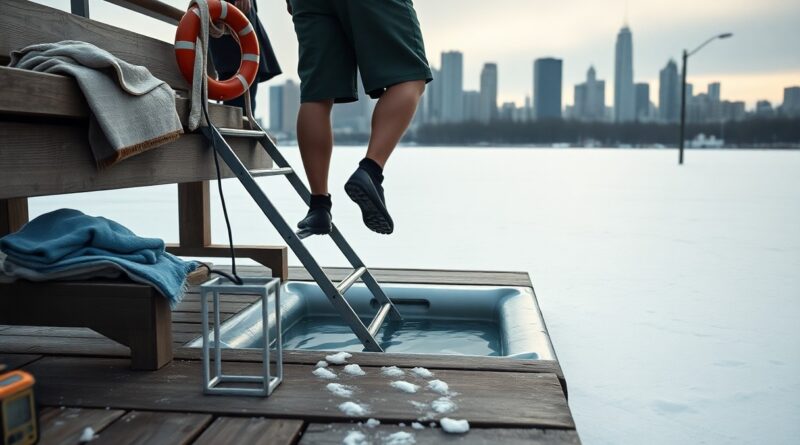
How to Start Winter Swimming in a City Lake (Step‑by‑Step Guide) {Practical how‑to content targeting beginners searching for clear instructions.
Just start by assessing access and testing water and ice safety, bring a buddy and consult your doctor before you take your first plunge; progress with short, controlled dips, dry and warm quickly to avoid the risk of hypothermia, wear a neoprene cap and sturdy shoes, and learn exit points and warming strategies to enjoy the mental and physical benefits. Join community discussion Tips for cold water swimming?
Key Takeaways:
- Prioritize safety: get medical clearance, pick a supervised, ice‑free entry with clear exit points, never go alone, and carry a phone/rope or ice picks for rescue.
- Acclimate gradually: warm up first, begin with very short dips (30-90 seconds), dry and rewarm between exposures, and increase time over weeks rather than days.
- Prepare gear and aftercare: neoprene booties/gloves, quick‑dry towel, warm clothes and insulated mat ready at shore; rewarm with dry layers and a warm drink while monitoring for hypothermia signs.
Understanding Winter Swimming
When you enter a city lake in winter, expect water between 0-6°C and an immediate cold shock response-gasping and rapid heart rate in the first 60 seconds. Habituation typically takes 4-6 weeks of regular exposure, and your tolerance builds faster with short, frequent sessions. Be aware that core temperature can fall to the hypothermia threshold (below 35°C) if you stay too long; plan swims of minutes not hours, always with a buddy and clear exit points.
Benefits of Winter Swimming
Short, regular dips give rapid alertness, reduced muscle soreness, and long-term resilience: 2-5 minute swims improve circulation and raise norepinephrine within minutes, while 10-15 minute cold exposure is commonly used for recovery. Over weeks you may notice better mood, higher energy and a modest metabolic boost from brown-fat activation. Many beginners report fewer colds and improved stress tolerance after 4-8 weeks of consistent practice.
Safety Considerations
You must never swim alone and should consult a doctor if you have heart or circulatory issues; cold shock peaks in the first 60 seconds and sudden breathlessness can incapacitate you. Use a buddy, clear exit, buoy or rope, and keep warm layers and a hot drink ready. Avoid alcohol, plan for short sessions based on water temperature, and call emergency services immediately if someone becomes confused or loses consciousness (112 in EU, 911 in US).
Start with very short exposures-30-60 seconds in week one-then add 30-60 seconds each week until you reach a comfortable 3-5 minutes; experienced swimmers may stay 5-10 minutes depending on temperature. Check for currents, depth, and hidden drop-offs before entering and carry safety kit: buoy or tow-float, whistle, insulated mat, dry bag, and warm clothing. If someone is confused or shivering severely, get them out, remove wet clothes, apply warm (not hot) packs to the trunk, give warm fluids if conscious, and call emergency services.
Preparing for Winter Swimming
You should pick a consistent spot with a clear entry/exit, check water temps (city lakes typically sit between 0-6°C in winter), and schedule swims with a reliable swim buddy. Plan short initial exposures-30-90 seconds-and always have warm clothing, a hot drink, and a dry space ready post‑swim; keep sessions under 5 minutes until you adapt. Recognizing early signs of cold shock and hypothermia is vital for safety.
Equipment and Gear
You should prioritize fit and function: a 3-5mm wetsuit or 2-5mm neoprene gloves and booties reduce heat loss for beginners, while a silicone or neoprene swim cap limits head heat loss; add a dry robe, insulated mat, whistle and waterproof phone pouch. Carry a thermal blanket and instant hand warmers if possible. Recognizing that proper gear can mean the difference between a controlled dip and an emergency will guide your choices.
- wetsuit
- neoprene gloves
- booties
- dry robe
- whistle/phone
Physical Preparation and Health Factors
You should get a health check if you have cardiovascular disease, high blood pressure, asthma, or are over 40; cold water can raise heart rate by 20-50% in novices and trigger arrhythmias. Begin with 30-60 second entries, monitor breathing and skin color, and never swim alone. Recognizing chest pain, severe breathlessness, dizziness, or confusion as immediate stop signals protects you from severe consequences.
- cardiovascular
- blood pressure
- arrhythmia
- symptoms
You should build tolerance over weeks: aim for 3 sessions/week, add 30-60 seconds per session after comfortable 1-2 minute dips, and target 2-5 minute swims by week 4-6 depending on adaptation; supplement with 20-30 minutes aerobic exercise 3× weekly and breathing drills to control the gasp reflex. Pay attention if you have Raynaud’s, diabetes, or recent surgery. Recognizing when adaptation stalls or symptoms worsen should prompt medical review and rest.
- acclimatization
- aerobic fitness
- breathing control
- medical review

Finding the Right Location
Choosing a City Lake
You should pick a lake with an official bathing area, good access (steps or a gentle slope), and visible emergency routes; municipal spots in parks often have mapped entry points and garbage bins. Aim for sites within 50-200 m of parking or public transport, avoid marinas and busy boat channels, and prefer locations used by locals for winter dips-those spots usually have safer approaches and informal support.
Assessing Water Conditions
Check recent water-quality advisories from the city and skip the lake for 48 hours after heavy rain; runoff raises bacteria. Surface temps in winter commonly sit between 0-6 °C in temperate cities, so verify thermometer readings if possible, and never enter where you detect a sewage smell, green scum, or foam-those are signs to avoid the site.
Probe depth and hidden hazards before committing: wade in with a pole or long stick to confirm a safe entry gradient and 1.5-2.0 m depth for unrestricted movement. Look for currents near inlets/outlets and stay at least 100 m from storm drains or discharge pipes. If ice is present, only use professionally cut holes or areas tested for thickness-minimum 10 cm (4 in) for a single person on foot-and never assume clear ice is safe; submerged logs, rocks, and sudden drop-offs are common near shorelines in urban lakes.
Starting Your Winter Swimming Journey
Set a simple, measurable plan: aim for 2-3 sessions weekly, start with 1-3 minutes in the water and increase by 30-60 seconds each week; many beginners reach 5-10 minutes over 6-8 weeks. You should always go with a buddy or in an official bathing area with a lifeguard, keep dry clothes and a hot drink ready, and stop immediately if you feel dizzy, numb, or experience a strong gasp reflex-these are signs of danger.
Entry Techniques
Approach the water calmly and enter feet first using steps or a ladder; splash water on your forearms, chest and back for 30-60 seconds to reduce cold shock, then wade slowly to waist depth before full immersion. You should avoid jumping or sprinting in, wear neoprene booties/gloves and a cap if available, and use a rope, buoy or buddy hold for the first 10-20 sessions until you feel stable.
Breathing and Swimming Techniques
Control your breathing before and during entry: take 3-4 slow, deep breaths, exhale steadily to prevent gasping, and use gentle, short-effort strokes rather than sprints. Favor breaststroke or backstroke to keep your face clear; if swimming freestyle, use a 2:2 breathing pattern and limit initial distances to 50-100 meters or under 3 minutes to avoid overheating and rapid heat loss.
Progress gradually: start with single dips and combine with timed swims-add 30-60 seconds each week and log sessions so you don’t exceed perceived limits. Physiologically, most cold-shock responses peak in the first 30-120 seconds, so controlled breathing reduces heart-rate spikes; if you have heart or respiratory conditions, get medical clearance first because cold water can trigger arrhythmia or loss of consciousness.
Tips for Staying Motivated
To keep momentum, log each swim, celebrate small wins, and aim for 2-3 sessions weekly with steady increases of 30-60 seconds. Use visible reminders, a swim buddy or app, and read guides like Cold Water Swimming- A Complete beginner’s Guide to refine technique and safety. Track how winter swimming and cold water exposure affect you. Perceiving the pattern of small gains keeps you going.
- Keep a log: note date, temp, duration for city lake sessions.
- Block time: schedule 2-3 swims weekly and treat them as appointments.
- Celebrate milestones: e.g., 5 swims = new gear or a warm drink reward.
Joining a Community
You benefit from groups that run induction sessions, spot newcomers, and often meet 2-4 times weekly; many clubs also have safety briefings and a designated lead. Being with others reduces risk-never go alone-and exposes you to practical tips for entry, breathing, and post-swim warming. Expect to find mixed-ability swimmers and experienced mentors who’ll accelerate your skills and confidence in the city lake.
Setting Goals
Set clear, measurable targets: frequency (2-3 swims/week), duration (start 1-3 minutes), and incremental progress (+30-60s/week). Use a 6-8 week plan with check-ins and adjust if you feel excessive fatigue or shivering. Mark safety milestones too, such as always exiting within 60 seconds of severe breathlessness and warming promptly-these are positive safety practices.
A sample 8-week plan: Weeks 1-2: 1-2 minutes per session; Weeks 3-4: 2-3 minutes; Weeks 5-6: 3-5 minutes; Weeks 7-8: consolidate at 5+ minutes if comfortable. Combine time goals with skill goals-improve entries, steady breathing, and quicker warm-up routines. Log temps and symptoms; if you hit consistent dizziness or prolonged numbness, pause and consult a professional. Use precise targets to make progress tangible and safe.
Post-Swim Care
After you climb out, dry off and change into warm, insulated layers immediately, sip a warm (not hot) drink, and monitor for hypothermia signs like intense shivering or confusion; follow local community best practices – see The OWC Winter Swimming Guide: (Almost) Everything … for practical checklists and protocols.
Warming Up Safely
Start with 5-10 minutes of brisk walking or light dynamic movement to raise your core temperature, swap wet clothes for dry ones with good insulation (wool or synthetic), and avoid sudden, intense heat on numb extremities – progress to a warm shower after sensation returns to your hands and feet.
- Dry layers – change within 2 minutes to reduce conductive heat loss
- Active warming – 5-10 minutes of movement to restore circulation
- Avoid hot showers – wait until numbness subsides to prevent circulatory stress
Any rapid warming that causes dizziness or chest tightness should be stopped and assessed immediately.
Aftercare Tips
Check skin for abrasions, rehydrate with 250-500 ml warm fluids, and prioritize sleep and a balanced meal within two hours; if you have heart disease, diabetes, or take vasoconstrictive meds, follow up with your clinician about safe exposure limits and recovery plans.
Plan a simple aftercare routine: cleanse and protect any cuts with antiseptic and waterproof dressing, log exposure time and water temperature for future progression, and note how your heart rate and shivering responded – if symptoms persist beyond 30 minutes, seek help. Any lasting numbness, severe shivering, confusion, or chest pain must prompt immediate medical evaluation.
- Hydration – 250-500 ml warm fluids post-swim
- Wound care – clean, dress, and monitor any skin breaks
- Monitoring – track symptoms for 30-60 minutes after exit
Any concerning sign after your session should be treated as a priority and acted on without delay.
To wrap up
Presently you have the necessarys to begin winter swimming safely in a city lake: get medical clearance, select a legal, sheltered spot, use thermal gear and a hat, enter gradually with short timed dips, always go with a buddy and plan warm-up routines, monitor weather and water conditions, and increase exposure slowly. Start conservatively and build consistency to make it a sustainable habit.
FAQ
Q: How do I prepare and what gear do I need to start winter swimming in a city lake?
A: Get a medical check if you have any cardiovascular, respiratory, or metabolic conditions and confirm swimming ability in cold, open water. Scout the lake for safe access, exit points, and current or ice hazards; check municipal rules and recent water-quality reports. Pack minimal gear: swimwear, neoprene booties and gloves, a thermal hat, robe or changing poncho, large towel, dry clothes, a dry bag for valuables, insulated flask with a warm (nonalcoholic) drink, a whistle or signaling device, and a phone in a waterproof case. Bring a buddy or join a local winter-swim group and plan short initial sessions (1-3 minutes in the water) with a clear warm-up and exit strategy.
Q: What step-by-step method should a beginner use to enter the lake and build tolerance safely?
A: Start with land warm-ups: light cardio and mobility for 5-10 minutes and a few controlled breathing cycles. Enter gradually-wade in up to waist depth, pause to settle breathing, then lower shoulders and take slow, steady breaths; avoid gasping or rapid hyperventilation. Use timed exposures: first week aim for 30-90 seconds, then add 30-60 seconds every few sessions depending on comfort; target 2-3 sessions per week rather than a single long dip. Leave the water at the first sign of strong uncontrollable shivering, numbness beyond hands/feet, dizziness, or coordination loss. Log times and sensations, progress slowly over weeks, and always exit with your buddy watching the whole time.
Q: What safety practices and legal or medical considerations should I follow for city-lake winter swimming?
A: Verify local regulations, posted signage, and whether the lake is monitored; some city lakes prohibit winter swimming or have seasonal closures. Check water quality advisories and avoid areas with strong currents, boat traffic, or thin ice; if ice is present, only use established, supervised holes. Never swim alone, do not use alcohol before or after a dip, and carry an emergency plan with a reachable phone, whistle, and clear directions to the access point. For aftercare: dry off immediately, dress in insulated dry layers and a hat, sip a warm drink, and get to a heated environment; avoid an abrupt, very hot bath the instant you exit if you feel lightheaded-warm up gradually. Consult a physician before starting if you have heart disease, high blood pressure, asthma, are pregnant, or have any other significant medical condition, and seek immediate medical help for persistent disorientation, severe shivering, blue lips or fingers, or loss of consciousness.
