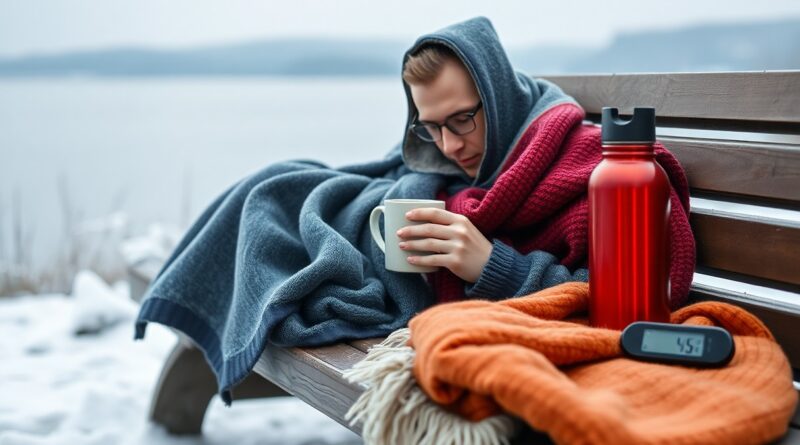
Best Practices for Warming Up After Winter Swimming {Recovery‑focused content covering afterdrop, hot drinks, and safe rewarming.
Recovery after winter swimming demands a calm, staged approach: you should prioritize preventing afterdrop by warming your trunk first, sip warm drinks (not alcohol), change into dry layers, and use a gradual rewarming plan to avoid rapid rewarming that can stress your heart; follow proven steps and guidance like Warming Up after Cold Water Swimming – by Seabirds CIC to keep your recovery safe and effective.
Key Takeaways:
- Afterdrop risk: core temperature can continue to fall during rewarming as cold blood returns from the extremities-minimize by removing wet clothes, insulating the trunk and head first, and avoiding rapid external heat on limbs until core rewarming begins.
- Hot drinks: offer warm (not scalding), carbohydrate-containing, nonalcoholic beverages to provide calories and gentle internal warming; avoid alcohol and excessive caffeine that impair thermoregulation.
- Safe rewarming protocol: move to shelter, dry and insulate, use passive warming (blankets, body heat) and targeted active core warming (warm packs to chest/neck, warm fluids or medical rewarming when needed), do not massage or vigorously rub limbs, and seek medical care for severe hypothermia or altered consciousness.

Understanding Afterdrop
When you exit cold water, your core temperature can continue to fall for minutes to hours – a phenomenon called afterdrop. Studies report additional drops typically of 0.2-1.0°C, although severe cases exceed that; the effect is most pronounced after immersion in water below ~10°C and when you rewarm extremities aggressively. Because afterdrop can worsen hypothermia and provoke arrhythmias, you must plan rewarming to control peripheral-to-core heat redistribution.
Definition and Causes
You experience afterdrop when cold peripheral blood returns to the core as vasoconstriction reverses; this, plus conductive cooling from cold muscles and fat, lowers core temperature further. Peripheral vasodilation during rewarming or exercise, immersion depth, and exposure duration all increase risk; for example, 10-20 minutes in 0-5°C water causes deeper peripheral cooling than a brief dip. Return of cold blood is the primary mechanism driving the effect.
Symptoms and Effects
Afterdrop commonly shows as worsening shivering, increased confusion, slowed movements, and a fall in blood pressure; you may also develop arrhythmias or loss of consciousness if core temperature falls below clinical thresholds. Clinically, a further decline of 0.5-1.0°C within 30-60 minutes is typical; hypothermia progression and cardiac instability are the most dangerous outcomes to watch for during the first hour after immersion.
Within 10-60 minutes you often see the peak afterdrop as cooled limb blood mixes centrally; if your core temperature crosses below 35°C, expect progressive cognitive slowing and impaired decision-making, and below ~32-33°C shivering can diminish, masking severity. Case reports link rapid limb rewarming to ventricular arrhythmias, so monitoring your mental status, breathing, and cardiac signs during the first hour is important.
The Importance of Safe Rewarming
After exiting cold water you must manage rewarming to avoid afterdrop, a continued core temperature fall that can persist for 30-60 minutes and sometimes reduce core temperature by 0.5-1.0°C. You should remove wet clothing, insulate, and sip warm fluids while avoiding rapid heat sources; detailed guidance is available in Warming Up After Cold Water Swimming: A Guide.
Gradual Temperature Restoration
You should restore temperature gradually: start with dry insulation and a warm shelter, sip drinks at about 37-40°C to raise core gently, and apply low‑level external heat concentrated on the trunk rather than limbs to avoid peripheral vasodilation; monitor shivering, heart rate, and consciousness throughout the first hour.
Gradual Rewarming Steps
| Action | Why / Target |
|---|---|
| Remove wet clothing | Stops conductive heat loss; immediate first step |
| Insulate with dry blankets | Traps metabolic heat; reduces further cooling |
| Warm drinks (37-40°C) | Gently raises core temperature without vasodilation |
| Low‑level trunk heating | Promotes central warming while minimizing afterdrop |
Risks of Rapid Rewarming
If you rewarm too quickly-hot baths, high‑temperature heaters, or vigorous external heat-you provoke peripheral vasodilation, which can drive cold peripheral blood to the core and worsen afterdrop, risking sudden hypotension or cardiac arrhythmia; avoid aggressive external heat for the first 30-60 minutes after immersion.
The mechanism is straightforward: rapid peripheral warming dilates skin vessels and returns cold blood centrally, which can lower core temperature by up to ~1.0°C and overload the cardiovascular system, especially if your core is ≤32-35°C (mild to moderate hypothermia). If you observe altered consciousness, persistent hypotension, or core temperature <32°C, seek medical care and rely on passive insulation and warm oral fluids until professionals can manage active rewarming.
Effective Use of Hot Drinks
After you finish a winter swim, sip warm beverages slowly to support peripheral rewarming and rehydration without provoking rapid vasodilation that can worsen afterdrop. Aim for 200-300 ml over 10-20 minutes while you begin passive warming and wrapping; avoid very hot liquids that may cause thermal shock. Recognizing that gradual oral rewarming complements external methods, choose drinks that replace fluids and electrolytes while staying at a comfortably warm temperature.
- Hot drinks should be warm, not scalding, to avoid sudden vasodilation.
- Prefer options that provide electrolytes or mild carbohydrates to support circulation.
- Avoid alcohol; it increases peripheral blood flow and can exacerbate hypothermia.
| Drink | Use / Benefit |
| Warm water with lemon | Quick fluid replacement and gentle warmth |
| Low-sodium broth | Restores electrolytes and provides sodium for circulation |
| Herbal tea (chamomile) | Calming effect, mild warmth, caffeine-free option |
| Low-caffeine black tea | Mild stimulant to counter fatigue; moderate warmth |
| Warm milk with honey | Comforting calories and slow-release sugars for sustained warmth |
Benefits of Hydration
You use fluids to restore blood volume, support peripheral circulation, and help stabilise core temperature after cold exposure; even a 200-300 ml warm drink can improve subjective warmth and aid rewarming. Hydration also supports kidney function and recovery processes while you rest and change into dry clothing. Recognizing that inadequate fluids can slow recovery and increase afterdrop risk, prioritize gentle, steady intake alongside passive rewarming.
- Maintain hydration to support peripheral perfusion and core stability.
- Include electrolytes if you’ve sweated or feel lightheaded.
- Avoid diuretics like excessive caffeine or alcohol immediately after swimming.
Recommended Types of Hot Drinks
Choose beverages that combine warmth with mild calories or salts: broth for sodium, herbal tea for caffeine-free comfort, and diluted hot chocolate or warm milk for quick energy; limit high-caffeine or sugary drinks that can destabilise circulation. Keep volumes moderate-200-300 ml at a temperature you can sip comfortably. Recognizing that drink choice should match symptoms (nausea, shivering, lightheadedness), tailor selections accordingly.
For practical selection, favour low-sodium broths when you need electrolytes, and chamomile or rooibos when you need calming, caffeine-free warmth; black or green tea in small amounts can help alertness if you’re fatigued. Give infants, older adults, or those with cardiac issues only mildly warm, supervised options. Recognizing that individual tolerance varies, start with small sips and increase as you assess comfort and core stability.
- Broth – replaces sodium and aids fluid retention.
- Herbal tea – caffeine-free, reduces shivering-related stress.
- Low-caffeine tea – mild stimulant for prolonged recovery.
- Warm milk – provides calories and comfort.
- Hot chocolate – quick energy, use low sugar to avoid glycemic swings.
| Drink | When to use |
| Low-sodium broth | When you feel lightheaded or have been exposed for long periods |
| Chamomile/rooibos | When you need calming, caffeine-free rewarming |
| Light black tea | If moderate alertness is needed without overstimulation |
| Warm milk with honey | When you need gentle calories and sustained warmth |
| Diluted hot cocoa | Short-term energy boost; avoid if prone to sugar crash |
Clothing and Environment Considerations
Prioritize layering to trap air and limit conductive loss: a moisture‑wicking base (merino ~150-200 gsm), insulating midlayer (fleece 200-300 gsm) and windproof shell. After exiting, change into dry clothes within 2-5 minutes to reduce risk of afterdrop, which can continue for 30-60 minutes as cold peripheral blood returns to your core. Avoid cotton at all costs; it holds moisture and accelerates cooling.
Appropriate Clothing Choices
Choose a hooded dry robe or insulated parka (down or synthetic), wool or merino base layers, thick wool socks and waterproof insulated boots. A neoprene hat or hood and insulated gloves speed recovery at the extremities. For midlayers, use fleece 200-300 gsm; for severe wind exposure add a windproof shell. Avoid cotton and make sure your kit lets you swap damp items quickly so you stay insulated.
Creating a Warm Recovery Space
Set up a sheltered, draft‑free spot aiming for ambient 20-22°C with a dry insulated surface beneath you and warm coverings above. Offer warm (not scalding) drinks around 37-40°C, avoid alcohol and keep doors closed to limit wind chill. Use electric blankets on low or heated robes safely; never use open‑flame heaters or enclosed combustion indoors due to carbon monoxide risk and fire hazard.
Place an insulated mat or reflective emergency blanket under you to stop conductive and radiative loss, and layer blankets over core areas. Use chemical heat packs between clothing layers (not directly on skin) or low‑setting electric pads; aim for active rewarming rates of about 1-2°C per hour. Monitor shivering and core temperature-if core falls below 35°C or shivering stops, seek medical help immediately.
Monitoring Recovery Progress
Recognizing Signs of Adequate Recovery
You should see shivering diminish within 20-30 minutes, core temperature rise toward 36-37°C, and mental clarity return so you can follow simple commands; heart rate and breathing should move back to within about 10-20 bpm and a normal respiratory rate. Warm, pink extremities, steady blood pressure, and the ability to stand or walk without dizziness are positive signals that your rewarming strategy is working.
When to Seek Medical Attention
If you experience persistent confusion, slurred speech, loss of consciousness, irregular heartbeat, chest pain, or if your core temperature is <35°C (with <32°C indicating severe hypothermia), seek emergency care immediately. Be aware that afterdrop can occur 30-60 minutes after exit from cold water, so delayed deterioration is dangerous and warrants prompt medical assessment.
At the scene, call emergency services when consciousness declines, seizures occur, vomiting prevents oral intake, or you can’t raise core temperature with passive measures. Avoid aggressive peripheral heating (hot baths) in severe cases because it can worsen afterdrop; instead, remove wet clothes, apply insulated blankets and warm packs to the trunk, and give warm, sweetened fluids if the person is alert. Hospital treatment may include active core rewarming and cardiac monitoring for arrhythmias.
Tips for Future Winter Swimming
When planning future sessions you should track variables like water temperature, immersion time, and post-swim rewarming actions to detect patterns and limit risk. Aim to swim with a partner, set conservative time limits (for beginners <60 seconds in 0-5°C; 1-3 minutes in 5-10°C), and prioritize controlled rewarming with hot drinks and insulated layers. This reduces your afterdrop risk and accelerates recovery.
- Afterdrop – monitor delayed core cooling
- Hot drinks – use warm, non‑alcoholic beverages for gradual rewarming
- Safe rewarming – avoid rapid external heating after long exposures
- Layering – merino base and insulated outer layers
- Monitoring progress – log temps, times, symptoms
- Tolerance building – progressive, structured exposure
Preparing for Winter Swims
You should pre-warm with 5-10 minutes of light aerobic activity to raise skin perfusion, wear a moisture‑wicking merino base (~150-200 gsm), and pack a warm hat, towel, and insulated blanket for after the swim. Scout the exit and currents, check water temperature, never swim alone, and avoid alcohol before or after; these measures lower your risk of hypothermia and delayed afterdrop.
Building Up Tolerance
Use progressive exposure: begin with short entries or cold showers, practice about 2-3 times per week, and increase total cold time by roughly 10-20% per week to avoid excessive physiologic stress while improving tolerance.
Structure a 6-8 week progression: weeks 1-2 keep entries under 60 seconds and focus on technique; weeks 3-4 extend sessions to 2-4 minutes and add cold‑water breathing drills; weeks 5-6 aim for controlled 5-6 minute exposures only if you remain comfortable. Monitor heart rate and perceived exertion, stop for dizziness, severe numbness, or signs of falling core temperature, and consult a clinician before aggressive progression; avoid abrupt hot showers after long swims to reduce afterdrop risk.
Summing up
Now you should prioritize gentle, staged rewarming after winter swimming to limit afterdrop: get out of wind, remove wet clothing, and layer dry insulation. Use hot, nonalcoholic drinks to raise your core temperature and encourage peripheral vasoconstriction; combine passive warmth (blankets, sheltered space) with gradual active rewarming (warm packs to the trunk) while monitoring shivering, consciousness, and circulation, and seek medical care if symptoms worsen or your core temperature remains low.
FAQ
Q: What is afterdrop and how can I reduce the risk after winter swimming?
A: Afterdrop is a continued fall in core temperature that can occur during rewarming as cold blood from the limbs returns to the trunk. It shows as worsening shivering, paleness, slowed thinking, dizziness or an unexpected drop in measured core temperature minutes to hours after exposure. To reduce risk: remove wet clothing and insulate the person immediately; prioritize passive core rewarming (dry layers, vapor barrier, blankets, hat) before aggressive limb heating; apply gentle active warming to the trunk and head/neck/groin (warm packs wrapped and not directly on skin); avoid rapid peripheral heating (hot baths, heating hands/feet first) and avoid heavy exercise that pumps cold peripheral blood centrally; provide warm nonalcoholic fluids if the person is fully conscious; monitor for signs of deterioration and seek medical care for persistent or worsening symptoms, loss of consciousness, arrhythmia, or core temperature below about 35°C (95°F).
Q: Are hot drinks helpful for rewarming, and which drinks are safest?
A: Warm drinks can support rewarming by adding internal heat and carbohydrate fuel, improving comfort and shivering efficiency. Choose warm (not scalding) nonalcoholic beverages such as warm water with carbohydrate, weak sweet tea, broth, or a warm sports drink; target a comfortable drinking temperature (roughly 37-45°C) to avoid burns. Give small sips rather than large gulps. Do not give oral fluids to anyone who is drowsy, confused, vomiting or unable to protect their airway; avoid alcohol (it increases heat loss) and avoid excessive caffeine in very cold-exposed, vulnerable individuals. In moderate to severe hypothermia, defer oral intake until medically evaluated.
Q: What step-by-step rewarming strategy is safest after a winter swim?
A: 1) Remove the person from water and call for help if needed. 2) Remove wet clothing and dry skin quickly. 3) Move to a warm, sheltered environment and keep the person horizontal and still if injured. 4) Insulate with dry layers, hat, and a vapor barrier to trap heat. 5) Use passive rewarming first (blankets, warm shelter). 6) Apply active core warming as needed: warm packs wrapped and placed on chest, neck, axillae and groin-never directly on bare skin. 7) Offer warm, nonalcoholic drinks if fully conscious. 8) Avoid immediate hot baths or aggressive peripheral heating and avoid strenuous activity that can worsen afterdrop. 9) Monitor airway, breathing, circulation, mental status and temperature; treat shivering and pain as appropriate. 10) Transfer to medical care if temperature is low, symptoms worsen, or if there are cardiac symptoms, confusion or loss of consciousness.
