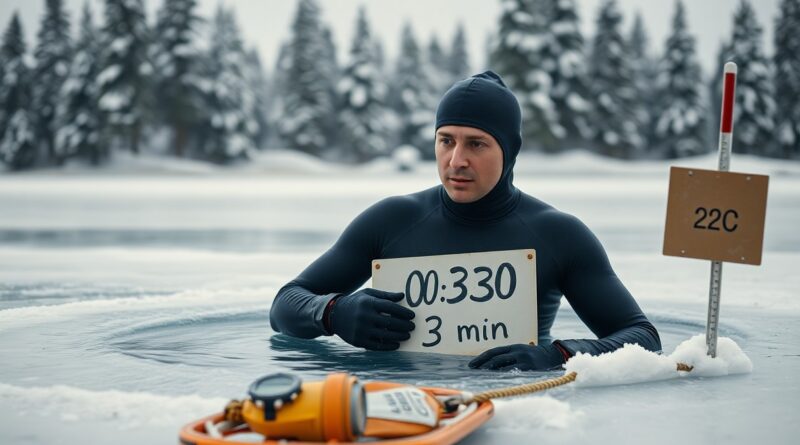
How Long Should You Stay in Icy Water? Winter Swimming Time Limits {Safety‑oriented article targeting common beginner questions.
Cold water at or near freezing can incapacitate you quickly; as a beginner, limit your initial immersions to 1-3 minutes in near‑freezing (0-4°C) water and up to 5-10 minutes in slightly warmer winter water, always exiting at the first sign of numbness, confusion, or uncontrollable shivering. Gradually increase your exposure only with supervision, proper gear, and a safe exit plan to reduce the risk of cold shock and hypothermia while gaining the physiological benefits of adaptation.
Key Takeaways:
- Begin with very short exposures: 30-90 seconds standing or 1-3 minutes swimming for complete beginners, and increase duration gradually over days or weeks as you acclimatize.
- Use temperature-based limits: in near‑freezing water (0-5°C) keep sessions under 5-10 minutes even when experienced; in 5-10°C aim for 5-20 minutes depending on fitness and intensity; above 10°C longer swims are generally safer.
- Prioritize safety: never go alone, exit at the first sign of intense shivering, numbness, confusion or loss of coordination, and warm up immediately with dry clothes, shelter and a warm (non‑alcoholic) drink.
Understanding Winter Swimming
You experience three physiological phases in icy water: the cold‑shock response (first 1-3 minutes) with gasping and a rapid heart‑rate rise; a short‑term incapacitation window (roughly 3-30 minutes) when coordination and breathing can falter; and progressive hypothermia thereafter, with significant impairment often appearing after ~30 minutes in near‑freezing water. Use these timelines to set strict time limits, plan exits, and stage rescues if needed.
Benefits of Cold Water Exposure
You can get measurable gains from controlled exposure: repeated 1-5 minute dips increase norepinephrine, improve mood and pain tolerance, and often raise heart‑rate variability; one small trial showed perceived energy and resilience improvements after six weeks of cold showers. Recreational winter swimmers report faster workout recovery and better circulation-but benefits scale with safe, gradual progression.
Risks and Safety Precautions
You face specific hazards: the cold‑shock gasp and hyperventilation can double heart rate and trigger cardiac events in people over 40 or with heart disease, and the drowning risk is highest in the first minutes when you lose breathing control. Mitigate by always using a buddy, limiting initial immersions to under 2 minutes in water under 5°C if unacclimatized, and carrying a dry robe and immediate warming plan.
You should follow a stepwise acclimation and emergency plan: begin with 30-60 second dips, increase by 30-60 seconds weekly, wear neoprene boots/gloves for longer sessions, and have a flotation aid and a person on shore monitoring you. Aim to rewarm within 10 minutes after exit; core temperature below 35°C signals hypothermia and needs medical care. Never swim alone and avoid alcohol or heavy meals before entering cold water.
Recommended Time Limits
For safety, begin with 30-90 seconds standing or 1-3 minutes swimming for complete beginners, progress slowly, and keep typical recreational dips under 10 minutes in <4°C water; experienced cold swimmers may extend to 10-20 minutes with careful monitoring. You must watch for signs of cold‑shock and hypothermia, use a buddy system, and prioritize safety over personal goals.
Factors Influencing Duration
You should assess these before deciding your limits:
- water temperature
- body composition
- swim intensity
- acclimatization
- medical conditions
After evaluating equipment, emergency plans, and your recent cold‑exposure history, set conservative times and always have a partner.
General Guidelines for Beginners
Start supervised with 30-90 seconds standing or 1-3 minutes swimming, repeat 2-3 short dips per session with full warm‑ups between, avoid alcohol, and never go alone; stop immediately for uncontrolled shivering, numbness, or confusion as danger signs.
You should progress by adding 15-30 seconds per session or week, aim for a 3-6 week acclimation before attempting >5 minutes in near‑freezing water, carry a warm change and hot drink, rehearse exiting within 60 seconds, and prioritize rapid rewarming to reduce hypothermia risk.

Signs of Hypothermia
Hypothermia progresses in predictable stages: mild (core temperature 32-35°C) with intense shivering, moderate (28-32°C) with confusion and slowed movements, and severe (<28°C) where you face loss of consciousness and cardiac arrest. Shivering and numbness can appear within minutes in icy water, so spot changes in movement, speech, or alertness quickly and act to limit exposure.
Early Warning Signs
You’ll typically get vigorous shivering, tingling or numb fingers, reduced dexterity (difficulty fastening equipment), slowed speech, and cold, pale skin. In water near 0-5°C these signs can show up within 2-15 minutes; loss of coordination is especially dangerous because it often prevents self-rescue and exit from the water.
Severe Symptoms to Watch For
As hypothermia deepens you may become confused, drowsy, incoherent, or stop shivering; breathing becomes shallow and the pulse slow or irregular. Watch for paradoxical undressing and a very weak or absent pulse-both indicate imminent collapse and need for emergency intervention.
If you see severe signs, call emergency services, minimize movement (rough handling can trigger fatal arrhythmia), protect the airway, remove wet clothing, and insulate with dry layers and a blanket. If conscious, offer warm (not hot) sweet fluids; do not massage limbs or give alcohol. Start CPR if there is no pulse and evacuate to advanced care-survival drops sharply as core temp falls, but prompt, proper treatment can still save lives.
Tips for Safe Winter Swimming
Keep sessions short and planned: beginners start with 1-3 minutes, progress by adding 30-60 seconds per week, and never swim alone; always use a buddy, flotation aid, and warm layers nearby. Key concepts to know:
- winter swimming
- cold‑shock response
- hypothermia
Assume that you consult resources like How Long Should You Swim in Cold Water? | Bicester Gym before extending times.
Preparation and Gear
You should check water and air temperatures, carry a waterproof timer, and wear gear suited to the conditions: 3-5mm neoprene booties and gloves and a neoprene cap below 10°C, or a thin wetsuit for longer exposures. Pack a bright tow float, whistle, insulated blanket, hot drink in a thermos, and a dry change of clothes to speed post‑swim rewarming and reduce hypothermia risk.
Entry and Exit Strategies
Enter slowly-wade in over 30-60 seconds to blunt the cold‑shock response and control your breathing for the first 1-3 minutes; many beginners exit before intense shivering, typically at 1-3 minutes, while acclimated swimmers limit sessions to 5-10 minutes. After exit, dry off immediately, put on insulated layers, and sip a warm, nonalcoholic drink.
Practice an exit plan: rehearse a clear, obstacle‑free route, set a stopwatch routine for staged exposure, and have your buddy ready with a blanket or tow rope. If extremities go numb or you feel confused, assume that gradual rewarming in a wind‑protected area and prompt medical assessment may be necessary.
Recovery After Winter Swimming
After exiting the water, remove wet clothing immediately and layer dry garments, a hat, and a blanket to reduce heat loss. Check your breathing and mental state; if shivering stops or you become confused, seek emergency help. Sip a warm, sweet drink and eat a compact snack within 15-30 minutes to boost circulation and blood sugar. Aim to rewarm over 20-60 minutes with a mix of passive insulation and gentle activity.
Warm-Up Techniques
Start with passive warming: dry off, wear insulated layers, and apply warm packs (around 37-40°C) to the neck, armpits and groin for 10-20 minutes. When you feel steady, do light active rewarming-marching in place, arm circles, or brisk walking for 5-15 minutes-to restore circulation. Avoid sudden intense exercise or very hot showers if you show hypothermia signs, and don’t consume alcohol.
Hydration and Nutrition
Drink 200-400 ml of a warm, low-caffeine beverage soon after the swim and aim for 500-750 ml in the first hour; include electrolytes if you’ll continue activity. Consume a 200-400 kcal snack combining carbs and fat-examples: an energy bar or a banana with peanut butter-to replenish glycogen and aid thermogenesis. Avoid alcohol and high-dose caffeine during rewarming.
Cold exposure triggers diuresis and raises metabolic demand; studies and practice show you can burn an extra 200-500 kcal in a 20-30 minute winter swim depending on intensity. Target ~20-30 g fast carbs plus 5-15 g protein immediately (e.g., banana + 2 tbsp peanut butter ≈ 300 kcal, or a 250-350 kcal energy bar). For electrolyte needs, a 300-500 ml sports drink at 6-8% carbohydrate concentration works well.
Frequently Asked Questions
Common FAQ topics focus on safe exposure times, health screening, and effective rewarming. The cold‑shock phase lasts about 1-3 minutes, so many beginners keep initial dips under 3-5 minutes in 0-4°C water; experienced, acclimated swimmers may extend to 10-20 minutes with supervision and gear. You should pay attention to hypothermia, cardiac events, and the gasp reflex, since those present the highest immediate danger during and after immersion.
Common Concerns
You likely ask how to progress, how often to swim, and when to stop. Start with 30-90 second exposures for absolute beginners and progress only after 10-20 supervised dips; limit sessions to 2-3 times per week initially. If you have heart disease or uncontrolled hypertension, get medical clearance and keep early exposures under 1 minute. Always use a buddy, a clear exit plan, and prioritize rapid rewarming within 10-20 minutes to reduce hypothermia risk.
Expert Advice
Experts advocate graded habituation, breath control, and strict monitoring. In traditions like Finnish winter swimming, practitioners often combine a 30‑second to 3‑minute dip with sauna transitions, and repeated brief exposures blunt the cold‑shock gasping response. Clinicians warn that anyone with recent myocardial infarction or arrhythmia should avoid immersion until cleared; otherwise, progress slowly, use neoprene for hands and feet, and maintain supervision to lower risk.
Practically, warm up 10-15 minutes of light exercise, practice controlled breathing for 1-2 minutes before entry, and set conservative exit targets (60-180 seconds) for early sessions. Bring neoprene socks/gloves, a trained buddy, thermal blankets, and a hot drink for rewarming; monitor pulse and skin color for 30-60 minutes after. Seek immediate care for chest pain, severe shivering, or confusion.
Summing up
Conclusively, you should limit initial icy-water exposure to brief, controlled dips-typically under one to three minutes depending on water temperature, experience, and health; extend time gradually as your tolerance grows and always exit with warming plans and a buddy. For temperature-specific guidance consult Cold Water: A Temperature Guide and prioritize safety over duration.
FAQ
Q: How long should a beginner stay in icy water?
A: Time limits depend on water temperature, acclimatization, fitness and whether you have medical issues. Conservative guidance for novices: 0-4°C (near freezing) – start with 15-60 seconds; 5-10°C – 1-5 minutes; 10-15°C – 5-15 minutes. Even short immersions carry cold-shock risk (gasping, rapid breathing) during the first 30-60 seconds and progressive loss of dexterity and coordination after a few minutes. Exit immediately if you feel intense gasping, chest pain, severe breathlessness, uncontrollable shivering, numbness, confusion or loss of coordination. People with cardiovascular, respiratory or other chronic conditions should get medical clearance before winter swimming.
Q: How do I increase my time safely as I get used to cold water?
A: Progress gradually and deliberately. Begin with short exposures (15-60 seconds) and increase time slowly – add 30-60 seconds per session or no more than ~10-20% duration per week depending on how you feel. Use repeated short dips rather than a single long immersion early on. Combine water sessions with dry cold exposure (cold showers) to build tolerance. Practice controlled breathing to manage cold shock before fully immersing. Always have a planned exit and warming protocol, avoid alcohol and heavy meals before a dip, and never train alone. If you feel chest pain, severe dizziness, or prolonged numbness, stop and seek medical care.
Q: What safety steps and aftercare should I follow every time?
A: Always swim with a buddy or safety person on shore and use an agreed exit route and flotation if possible. Check ice conditions and current; never go under thin ice. Limit immersion time based on temperature and your experience, and have a strict rule to exit before losing coordination or excessive shivering. After exiting: get dry immediately, put on warm insulating layers, drink a warm non‑alcoholic beverage, and use active rewarming (warm packs to core-neck, chest, groin) or warm shelter. Monitor for delayed hypothermia signs (persistent confusion, drowsiness, slurred speech) and seek emergency help if they appear. Carry a charged phone, a whistle, and basic first‑aid supplies on shore.
