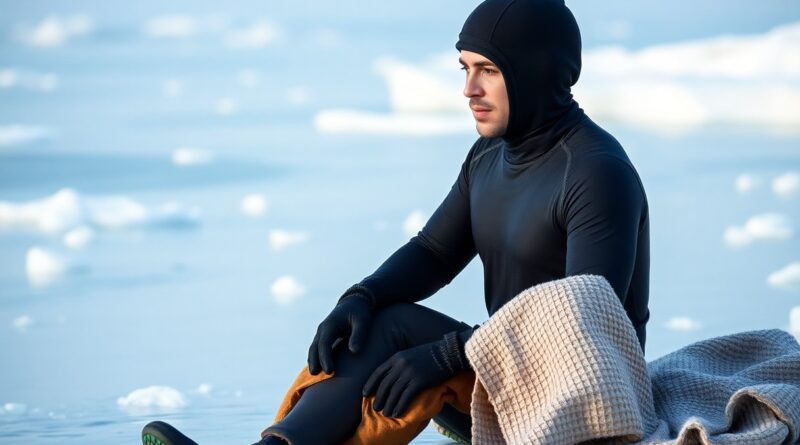
What to Wear for Winter Swimming in Icy Water {Gear‑focused article covering swimsuits, neoprene accessories, shoes, and towels.
Gear for icy-water swims must balance warmth, mobility and safety: you should choose a well-fitting 3-5mm wetsuit or thicker neoprene, add neoprene booties, gloves and a cap to protect extremities, and use a quick-absorb towel or changing robe to prevent post-swim cooling; be aware of the risk of hypothermia and start conservatively, while enjoying the energizing, immune-boosting benefits when you prepare your body properly.
Key Takeaways:
- Choose insulation-first swimwear: a snug thermal swimsuit or full/shorty wetsuit (2-5 mm) for core protection, with neoprene shorts or a vest for added warmth.
- Protect extremities with neoprene accessories: 3-5 mm gloves, cap, and socks-use thin liners to improve comfort and drying time.
- Use grippy neoprene booties for traction and bring a large absorbent towel or wool blanket to dry off and warm up immediately after the swim.
Essential Swimsuits
When you plan winter swims, pick a suit that matches water temperature and exposure time: for brief dips many use a snug swimsuit or neoprene shorty, while extended icy immersions require at least a 5-7mm wetsuit or a drysuit plus thermal layers. If you want checklist-level guidance, consult 5 Essential Pieces of Gear for Cold Water Dives – Scuba.com for dive-focused parallels that apply to winter swimming.
Materials and Designs
You’ll prefer suits made from high-density neoprene-Yamamoto limestone foams and closed-cell neoprene give better insulation and lower water soak. Seek blind-stitched, taped seams or glued seams to limit flushing; poor seam construction increases heat loss and raises hypothermia risk. Also look for a smoothskin outer layer to cut wind chill on exit and a thermo-lining for extra warmth without excessive bulk.
Key Features for Cold Water
Focus on fit, thickness, seam type, and integration with accessories: a tailored fit reduces flushing, thicker panels add insulation where you lose most heat (core and thighs), and taped zippers or seals at wrists/ankles cut water exchange. Select suits that allow layering and pair easily with hoods, gloves, and boots so you can adapt to temperature and duration of your swims.
- Thickness: 5mm for short cold dips; 7mm or more for prolonged immersion below ~5°C.
- Seam construction: glued + blind-stitched and taped to minimize flushing.
- Fit: snug but not restrictive; prevents water pockets that accelerate heat loss.
- Thermal lining: fleece or plush inner layers increase retention with minimal bulk.
- Hood/neck seals: integrated or compatible hoods reduce core heat loss by up to 20%.
- Freedom of movement: stretch panels at shoulders and hips for safe swimming technique.
- Zipper type: chest zips flush less water than long back zips for some designs.
- Buoyancy: thicker neoprene adds buoyancy-plan for slightly altered stroke mechanics.
Assume that prioritizing a good fit and sealed seams will reduce water flushing far more than adding extra thickness alone.
You should note practical trade-offs: a 7mm full suit plus hood, gloves, and boots keeps you warmer for longer but increases drag and reduces mobility; conversely a thin suit maintains agility but exposes you to faster core cooling. For repeated cold exposure most swimmers combine a 5mm suit with removable thermo-layers and a 3-5mm hood to balance endurance and movement.
- Layering compatibility: suits that accept an inner thermal layer or over-vest for rapid adaptation.
- Hood integration: smooth-skin collars and tight neck seals reduce neck flushing.
- Entry/exit practicality: chest zips or front-entry panels ease donning after cold exposure.
- Material durability: limestone neoprene resists compression and retains warmth over seasons.
- Seal reliability: wrist and ankle seals that prevent circulation of cold water.
Assume that combining these features with well-chosen accessories will meaningfully extend safe swimming time in icy water.
Neoprene Accessories
Neoprene accessories make the difference between tolerable and dangerous immersion; choose 3-5 mm for milder icy dips and 5-7 mm for sub‑5°C swims. You should prioritize glued and blind‑stitched or taped seams to reduce flushing, and a snug but non‑restrictive fit to preserve circulation. For example, pairing a 5 mm cap with 5 mm gloves often extends comfortable immersion time by tens of minutes versus no accessories.
Caps and Gloves
For your head and hands, a 3-5 mm neoprene cap with ear coverage and sealed seams cuts heat loss dramatically; many winter swimmers choose 4-5 mm caps in water under 5°C. Gloves: full‑finger 3 mm deliver dexterity while 5 mm mitts or lobster‑style gloves give superior warmth at the cost of grip. Favor taped wrist gauntlets or seals to minimize flushing; if you can’t operate basic zippers, the gloves are likely too thick.
Boots and Socks
Boots and socks protect extremities and footing-select 3-7 mm thickness by conditions, with 5 mm often the best compromise for icy entries. Look for rubber/Vibram‑style soles for traction and split‑toe designs to aid balance on slippery rock. Ensure a close fit without compressing tissue; overly tight boots reduce circulation and increase cold injury risk. Reinforced soles and glued seams reduce water ingress and extend service life.
If you plan repeated swims, use a thin 1-2 mm neoprene liner sock under a thicker boot to ease donning and prevent chafing; a common Nordic setup is a 2 mm liner plus a 5 mm boot. Dry gear flat away from direct heat and rinse after each session to preserve neoprene flex. Avoid cotton liners-wet cotton holds cold against skin-and replace worn soles promptly to maintain grip on icy rocks.
Recommended Footwear
When you pick footwear for icy-water swims, prioritize a balance of insulation, traction, and fit: 3-7mm neoprene booties suit most winter conditions, while a molded rubber sole with a sticky compound provides reliable grip on wet rocks. Choose sealed seams or taped construction to reduce flushing and limit heat loss, and ensure a snug fit without compressing toes so you avoid impaired circulation and frostbite risk. Examples: a 5mm split-toe bootie with a Vibram-style sole performs well in 0-8°C water for short swims.
Types of Swim Shoes
You’ll encounter four main categories: thick neoprene booties for insulation, thin neoprene socks for layering, aqua shoes for beach approaches and drainage, and split-toe designs for improved kick feel; thickness typically runs from 2-7mm and you may need to size up 0.5-1 size when wearing liners.
- neoprene booties – 3-7mm insulation, sealed seams recommended
- neoprene socks – low-profile, worn under sandals for added warmth
- aqua shoes – mesh drainage, fast-drying, moderate grip
- The split-toe boot improves kick control and reduces chafing
| Neoprene booties | Best insulation (3-7mm); choose glued/blind-stitched seams and rubber sole for traction |
| Neoprene socks | Thin (1-3mm) layer under sandals; fast to don and remove |
| Aqua shoes | Drainage mesh, good for shoreline; less thermal protection |
| Rubber-soled boots | Excellent shore traction; bulkier but durable for icy entries |
| Sizing & care | Size up 0.5-1 to accommodate liners; rinse and air-dry, avoid direct heat |
Benefits of Insulated Footwear
Insulated footwear traps a thin warmed layer of water and reduces conductive heat loss, so you can maintain toe dexterity longer and delay numbness; many swimmers report an added 10-30 minutes of functional time in 0-10°C water with 5mm booties. Sealed seams and adhesive construction limit flushing, and sturdy soles protect against cuts and cold from contact with rocks, lowering your risk of cold-related injury when you stay active.
In practice, a 5mm bootie often keeps toes usable for 20-40 minutes at ~5°C during steady movement, while still-water exposure shortens that window; combining a thin neoprene sock under a bootie can mimic an extra 1-2mm effective thickness. Opt for glued/blind-stitched seams, test fit with the socks you intend to wear, and dry gear inside out after each session to preserve insulation-avoid overheating materials with direct radiators or dryers to prevent glue failure.
Towel Selection
Aim to carry both a large, insulating wrap and a compact, fast-drying towel so you can dry off and regain warmth immediately. Compare materials: cotton terry (350-600 GSM) gives plush warmth but dries slowly, while microfiber (120-300 GSM) absorbs quickly and packs small. Choose dimensions that let you wrap your torso and legs-about 100×180 cm (40×70 in)-and prioritize a towel that reduces hypothermia risk by getting you dry within minutes after exit.
Quick-Drying Towels
Microfiber towels like PackTowl or Sea to Summit DryLite absorb roughly 4-7× their weight, shed water fast, and often dry in 30-120 minutes depending on sun and wind. Many travel towels weigh 150-300 g and pack to the size of a water bottle, so you can stash one in your changing bag. You should pick a weave with good loft-waffle or velour faces speed surface drying while retaining absorbency.
Size and Weight Considerations
For shore-based winter swims, a towel around 100×180 cm and 350-500 GSM gives coverage and insulation; expect it to weigh 500-900 g. If you hike to a swim spot, opt for a 60×120 cm microfiber at ~200-300 g so your pack stays light and it dries in under two hours. Match size to your exit routine: full wrap for standing changes, smaller for quick dry-and-don.
For practical combos, carry a heavyweight wrap in the car (e.g., 400-500 GSM, 1200-800 g) plus a 200-300 g microfiber in your kit for on-trail sessions; that split gives you both warmth and portability. Drying time scales with GSM and weather-low sun/wind can stretch drying to 3-6 hours-so plan to layer a waterproof changing robe or an insulated parka over the damp towel if you must wait.

Pre-Swim Preparation
Before you enter the water, check air and surface temperature (water under 5°C greatly raises hypothermia and arrhythmia risk), lay out your dry clothes, towel, and shelter within 10-20 meters, stash a hot drink in an insulated bottle, confirm swim duration (novices: 30-90 seconds, experienced: 2-5 minutes), and ensure a buddy or observer with a whistle and phone in a dry bag is present – never swim alone.
Warm-Up Techniques
Spend 5-10 minutes on a dynamic routine: 60s jumping jacks, 30s arm circles, 2×10 bodyweight squats, hip openers and brisk marching to raise heart rate to ~100-120 bpm; follow with 2 minutes of slow diaphragmatic breathing to control heart rhythm, and keep neoprene cap and gloves on until the last 30 seconds – avoid long static stretches before cold-water entry.
Mental Preparation
Use a short pre-entry ritual: 2 minutes of box breathing (4 in, 4 hold, 4 out), set a clear time and exit cue, rehearse the first 30-60 seconds mentally because cold shock is most intense then, and agree on safety signals with your buddy so you can focus on steady exhalations when you hit the water.
Progressively train your tolerance: start with 30-60s immersions and add 15-30s per session, aim for 3 sessions weekly to reach 3-5 minutes in 4-6 weeks; pair each session with a 2‑minute visualization and a short anchor phrase (e.g., “steady out”) to interrupt panic – gradual exposure builds tolerance and confidence.
Post-Swim Care
After exiting, dry quickly and don a large insulating wrap or dry robe to stop heat loss; drying and insulation in the first 5-10 minutes reduce heat loss dramatically. Sip a warm (37-40°C) non‑alcoholic drink and avoid hot tubs if you suspect deep cooling – if shivering, confusion, or pale skin occur, seek help. For crowd-sourced tips and anecdotes see COLD WATER SWIMMING ADVICE: What is the best way ….
Re-Warming Tips
Use staged warming to restore core temperature safely and quickly:
- Remove wet clothing immediately and replace with dry layers.
- Insulating layers – wool or fleece next to an outer windproof shell.
- Warm fluids at 37-40°C and a hot water bottle to the torso for 10-20 minutes.
Perceiving delayed recovery or severe symptoms means you should call emergency services.
Skin Care After Cold Exposure
Cold water can leave skin pruney, chapped, or numb; gently pat dry and apply a rich emollient (petrolatum or ceramide cream) to restore the barrier, avoid vigorous rubbing, and protect exposed areas with breathable layers to prevent windburn and further cooling.
For deeper care, cleanse with lukewarm water (no hotter than 37-38°C) and use fragrance‑free, low‑pH cleansers to avoid stripping oils; after drying, apply an occlusive like petroleum jelly to hands, face and lips to lock in moisture. If you see persistent whiteness, numbness beyond 30-60 minutes, blisters, or increasing pain, treat as possible frostbite and get professional assessment; avoid massaging frozen tissue and skip alcohol or caffeine until fully rewarmed.
Final Words
With this in mind, prioritize a snug, insulating swimsuit or shorty, add neoprene accessories (cap, gloves, booties) to protect your extremities, and wear grippy neoprene shoes for entry and exit. Bring a thick, oversized absorbent towel and a warm robe or parka for immediate aftercare. You’ll extend safe, comfortable swims by matching your gear to water temperature and planned exposure.
FAQ
Q: What swimsuit should I choose for winter swimming?
A: Pick a suit that balances insulation and mobility. For most cold-water swims a 3-5mm neoprene full wetsuit or a hooded wetsuit gives meaningful thermal protection while allowing stroke movement. Thicker suits (5mm+) or two-piece setups add warmth but reduce flexibility and increase buoyancy, which changes technique. For very short dips a regular swimwear base (one-piece or jammers) combined with a neoprene vest or shorty can work. Look for glued-and-blind-stitched seams, a soft thermal lining, and a snug but not restrictive fit around the neck, wrists and ankles to minimize flushing. Try the suit in shallow water first to confirm mobility and fit.
Q: Are neoprene accessories worth buying and which ones should I get?
A: Yes – neoprene accessories extend comfortable time in icy water and protect extremities. Start with a 3-5mm neoprene hood or cap to cut major heat loss from the head, then add gloves (2-5mm) for hand warmth and grip; thinner gloves preserve dexterity, thicker ones increase warmth. Neoprene booties (3-7mm) with a tough sole protect feet on ice and rocks and help retain heat. Consider a neoprene vest/shorty for extra core insulation if you want longer swims. Choose taped or sealed seams and try sizes that allow a thin liner underneath if needed. Rinse gear with fresh water after use and dry inside-out away from direct heat to prolong life.
Q: What footwear and towel setup works best for icy-water swims?
A: Use neoprene booties with a grippy, abrasion-resistant sole for entry and exits; 3-5mm is common for brief swims, 5-7mm if standing on ice or cold rocks. Boots should be slightly oversized to accommodate thin liners or wool socks if you need extra insulation. For approach and exit, wear trail shoes or insulated slip-on shoes over the booties to keep feet warm before and after the swim. For drying and changing, a large hooded robe or poncho-style towel (microfiber for compact, quick-dry; thick terry for warming comfort) plus a spare absorbent towel gives the best combination of heat retention and convenience. Have a dry changing area or insulated mat and warm layers ready to put on immediately after toweling off.
