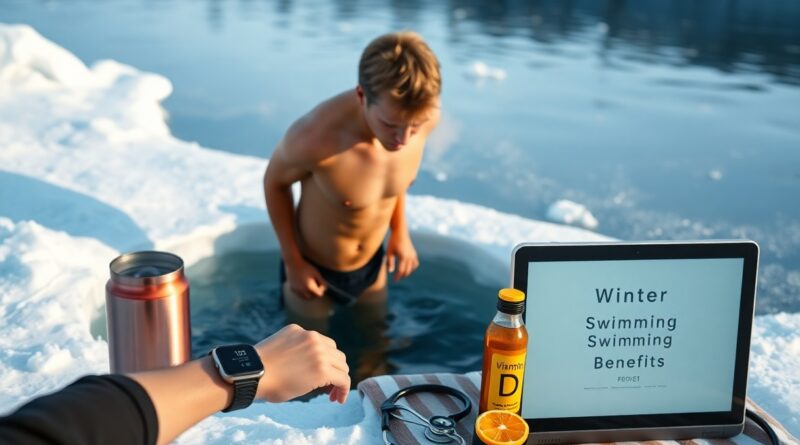
Winter Swimming Benefits – Physical and Mental Health Effects {Evergreen SEO content covering circulation, immunity, stress, and mood.
Over short, controlled exposures, winter swimming can improve circulation by stimulating vasoconstriction and subsequent vasodilation, enhance your immunity through increased white cell activity, reduce stress via hormetic adaptation and boost your mood through endorphin and noradrenaline release; however, it carries a risk of hypothermia and cold shock, so you should progress gradually, use safety measures, and consult a healthcare professional if you have cardiovascular or respiratory conditions.
Key Takeaways:
- Improves circulation: cold-water immersion causes vasoconstriction followed by reactive vasodilation, training vascular tone and enhancing blood flow efficiency with repeated exposure.
- Supports immunity: regular winter swimming is linked to short-term increases in immune activity and anti-inflammatory responses, and some studies report fewer respiratory infections among practitioners.
- Reduces stress and lifts mood: cold exposure triggers endorphin release, activates the vagus nerve, and builds stress resilience, often producing immediate mood elevation and reduced anxiety over time.
The Physical Benefits of Winter Swimming
Winter swimming trains your cardiovascular and metabolic systems through repeated cold stress: initial vasoconstriction followed by reactive vasodilation enhances microcirculation and recovery, while short immersions (30-90 seconds, 2-4×/week) activate brown adipose tissue and increase thermogenesis. You’ll often see faster post-exercise recovery, reduced muscle soreness, and modestly higher resting metabolic rate. Maintain safe exposure limits-there is a real risk of hypothermia and cardiac strain if you overdo it or have cardiovascular disease.
Improved Circulation
Cold immersion forces blood from the periphery to your core, boosting central blood volume and stroke volume, then the rebound vasodilation improves capillary recruitment and skin perfusion. With regular practice (commonly 6-8 weeks at 2-3 sessions/week) you’ll notice reduced cold-induced blood pressure spikes and improved fingertip warmth. Be aware that the acute cold shock increases heart rate and blood pressure, so you should progress gradually and consult a clinician if you have hypertension or heart disease.
Boosted Immunity
Brief cold exposures mobilize immune cells via a sympathetic surge-norepinephrine and adrenaline increase circulating leukocytes and can shift cytokine balance. Over weeks you may experience fewer minor infections and lower baseline inflammatory markers in some cohorts, though responses differ by individual and exposure pattern. Always weigh benefits against the risk of immune stress from excessive cold or inadequate recovery, particularly if you’re immunocompromised.
Mechanistically, the sympathetic and hormonal response (notably increased epinephrine) mobilizes neutrophils and natural killer cells; the 2014 Kox et al. trial combining cold exposure and specialized breathing showed elevated epinephrine and a markedly reduced pro-inflammatory cytokine response to endotoxin challenge. In practice, you gain most from controlled, progressive exposure (2-4×/week); nonetheless, winter swimming is not a substitute for vaccines or medical care and may be contraindicated with autoimmune disease or unstable health.

Mental Health Advantages
Beyond the cardiovascular and immune effects, winter swimming gives you measurable mental benefits: acute immersion boosts norepinephrine and endorphins, often by 2-5×, producing immediate alertness and pain modulation, while regular swims correlate with reduced anxiety and improved resilience; community-based programs report better social support and adherence, and many people notice mood lifts after just 1-3 sessions, with greater gains when swims are done 2-3 times weekly under safe supervision.
Stress Reduction Techniques
Use controlled breathing (long exhales, 30-60 seconds of rhythmic inhalation/exhalation) before entering to blunt the cold shock response, start with 30-60 second immersions and progress by 30 seconds weekly, pair exposure with a 3-5 minute active warm-up afterward, and avoid extended swims if you have cardiovascular disease because of the risk of arrhythmia and hypothermia; guided group sessions reduce cortisol more consistently than solo attempts.
Enhanced Mood and Emotional Well-Being
Immediate neurochemical shifts-higher norepinephrine, dopamine, and endorphins-often produce a 30-60 minute post-swim mood boost, while ongoing practice is linked to sustained decreases in depressive symptoms and better emotional regulation; you’ll also gain social connection and a sense of mastery that amplify psychological benefits, especially when you swim 2-4 times per week.
For deeper gains, follow a progressive protocol: begin with 30-60 second immersions, increase to 3-5 minutes over 4-8 weeks, track mood with simple scales (e.g., 0-10 before/after), and combine swims with brief mindfulness or cold-focused breathing to enhance retention of benefits; if you have high blood pressure or heart disease, consult a clinician first because even short exposures can provoke significant cardiovascular responses.
Safety Measures for Winter Swimming
Establish a strict routine before every dip: check water and weather, choose a known access point, and never swim alone – always have a trained buddy or shore spotter. Limit initial immersions to 1-3 minutes while you build tolerance, carry a flotation aid, have emergency warming gear and a hot, non-alcoholic drink ready, and avoid alcohol or heavy meals beforehand. If you have heart or respiratory conditions, consult your doctor before trying cold exposure.
Preparing for Cold Water Exposure
Start with a 10-15 minute dry warm-up (light cardio and mobility), practice controlled breathing techniques on land, and perform a gradual acclimation schedule – for example, two to three sessions per week increasing immersion time by no more than 30-60 seconds each session. Bring a neoprene cap or gloves if needed, set a strict exit time, and ensure someone on shore knows your plan and has a phone. Plan every detail so responses are automatic under stress.
Recognizing Health Risks
Be alert for cold shock signs (sudden gasp, hyperventilation), chest pain, dizziness, or sudden loss of coordination; these demand immediate exit and medical attention. Watch for worsening shivering, confusion, slurred speech, or pale-blue extremities – indicators of hypothermia. If you or your buddy experience cardiac symptoms, call emergency services without delay.
Timeline awareness helps: expect a cold shock response in the first 0-3 minutes, progressive loss of fine motor control over the next 5-30 minutes, and rising hypothermia risk after about 30 minutes depending on water temperature and body composition. Those with high blood pressure, coronary artery disease, or asthma face elevated risk of arrhythmia or bronchospasm; having a written emergency plan and quick access to help reduces severe outcomes.
Tips for Beginners
Begin with very short dips-aim for 30-60 seconds on your first outings and build toward 5-10 minutes over weeks to train circulation, support immunity, and improve mood and stress resilience; always have a warm change of clothes and a buddy. Consult practical guidance here: Learn to love the chill – The Invigorating Benefits of Winter …. Perceiving your limits and watching for signs of cold shock or hypothermia prevents serious harm.
- Start at 30-60 seconds and add 15-30 seconds each session to train winter swimming tolerance.
- Control breathing and stay close to shore to reduce cold shock risk.
- Use a buddy system and pre-agreed exit point to protect your circulation under stress.
- Warm quickly-dry, insulated layers and a hot drink stabilize core temperature and aid immunity.
- Check medical conditions (cardiac, hypertension) before regular exposure to avoid dangerous complications.
Starting Slowly
Ease into winter immersion by limiting initial sessions to 30-90 seconds, 2-3 times weekly; studies and community protocols often recommend this conservative cadence to reduce sudden vasoconstriction and vertigo. Focus on steady inhalations, exit while coordinated, and rewarm immediately with layers and a hot drink-these steps protect your circulation and support gradual gains in immunity.
Gradual Adaptation to Cold
Structure adaptation across 4-8 weeks: increase session length by 15-30 seconds each time, target a 5-10 minute working time, and include one longer session per week to build endurance; this progressive load trains vascular response and stabilizes mood and stress pathways.
For example, week 1: 30s ×3 sessions; week 2: 60s ×3; week 3: 90-120s ×3; by weeks 6-8 aim for 5-10 minute swims while monitoring heart rate and core signs-if you experience intense shivering, confusion, or loss of coordination, stop and rewarm immediately to avoid hypothermia and severe cold shock.
Personal Anecdotes and Success Stories
Hundreds of swimmers report tangible shifts: if you commit to 3-4 dips per week, many see better sleep, fewer respiratory illnesses, and faster recovery within 8-12 weeks. You may notice a lower resting heart rate and clearer thinking after brief exposures; one community group tracked several members cutting annual sick days by about half. Anecdotes frequently emphasize immediate mood lifts and growing cold tolerance from sessions as short as 2-6 minutes.
Testimonials from Winter Swimmers
You’ll hear specifics: “I swim 3×/week for 5 minutes and haven’t had a flu in two years,” or “after four weeks my sleep latency dropped from 40 to 20 minutes.” Many swimmers report acute anxiety relief post-dip and cumulative benefits-improved energy, quicker post-workout recovery, and stronger social bonds when you join regular swim groups.
Documented Health Transformations
There are case reports and small trials showing measurable changes when you add supervised cold-water immersion: a 12-week protocol of 3 sessions/week has been associated with drops in resting heart rate (~6-8 bpm) and meaningful reductions in anxiety scores, while individual clinical cases recorded systolic blood pressure decreases near ~15 mmHg under medical oversight. These effects are most consistent with gradual exposure and monitoring.
To replicate documented transformations, you should track baseline metrics-resting HR, blood pressure, sleep quality, and validated mood scales (PHQ‑9, GAD‑7)-and reassess at 4, 8, and 12 weeks while incrementally increasing immersion time. Always obtain medical clearance if you have cardiovascular issues, and remain vigilant for cold shock and hypothermia; supervised programs yield the safest, most reliable outcomes.
Scientific Research and Studies
Numerous controlled trials and observational cohorts examine how repeated cold-water exposure changes physiology: studies typically measure heart rate variability, plasma catecholamines, inflammatory cytokines, and validated mood scales. You’ll find consistent short-term shifts-acute sympathetic activation followed by parasympathetic rebound-and emerging evidence for reduced inflammatory markers, though study sizes and protocols vary, so generalizability remains limited.
Evidence Supporting Benefits
Several small RCTs and cohort studies (often n=20-150) report measurable outcomes: cold immersion produces a marked rise in norepinephrine, improved peripheral vasoconstriction/vasodilation dynamics, and better HRV, with some trials showing reductions in select pro-inflammatory markers and improved depression/anxiety scores. If you adopt a regular routine, these physiological signals align with reported improved circulation and mood benefits.
Ongoing Studies and Future Directions
Researchers are scaling up with larger cohorts and mechanistic work exploring immune modulation, brown adipose activation, and dose-response effects; many groups plan multicenter trials and longitudinal follow-ups to assess sustained benefits and safety. You should note that investigators are explicitly monitoring cardiac stress and hypothermia risk in vulnerable populations as part of trial protocols.
Expect upcoming trials to compare frequencies (e.g., 3×/week vs daily), temperatures, and immersion durations using randomized crossover designs and continuous wearable monitoring. You’ll see biomarker panels (CRP, IL-6, cortisol), autonomic metrics, and patient-reported outcomes combined, and collaborations in Scandinavian and UK centers aim to enroll several hundred participants to clarify long-term effects and practical guidelines.
Conclusion
Summing up, winter swimming can strengthen your circulation, boost your immunity, reduce stress, and elevate your mood by triggering endorphins and cold-adaptive responses; when practiced safely and consistently, it supports both physical fitness and mental well-being, giving you improved recovery, greater energy and a calmer, more resilient mindset.
FAQ
Q: How does winter swimming affect circulation and physical performance?
A: Acute immersion in cold water triggers peripheral vasoconstriction followed by reactive vasodilation after exiting, which over time can improve vascular responsiveness and capillary recruitment. Repeated exposure is associated with enhanced endothelial function, improved circulation to extremities, and modest long‑term reductions in resting blood pressure for some people. Short-term responses include increased heart rate and cardiac output due to sympathetic activation, so start with very brief immersions (10-60 seconds) and progressively extend to a few minutes as tolerance builds. People with cardiovascular disease, uncontrolled hypertension, or arrhythmias should consult a clinician before attempting winter swimming.
Q: Can winter swimming boost immunity and metabolism?
A: Regular cold-water exposure stimulates acute increases in catecholamines and immune cell mobilization (elevated neutrophils and lymphocytes in some studies), which may enhance surveillance and reduce inflammatory signaling when practiced moderately. Cold exposure also activates brown adipose tissue and raises metabolic rate, improving glucose regulation and energy expenditure in many individuals. Benefits are dose-dependent: brief, repeated sessions appear most beneficial, while excessive or prolonged cold stress can suppress immune function. Gradual habituation, consistent frequency (several times per week), and monitoring for signs of overtraining or illness optimize immune and metabolic gains.
Q: What are the mental health and stress-related effects of winter swimming, and how should beginners approach it safely?
A: Cold-water immersion produces a rapid release of endorphins and norepinephrine, which can reduce perceived stress, lift mood, and decrease symptoms of mild to moderate depression and anxiety for many people. Regular practice enhances stress resilience through hormetic adaptation-improved tolerance to physiological stressors-and often improves sleep and cognitive clarity. Beginners should prioritize controlled breathing, progressive exposure (start with a cold shower or short dips), swim with a partner or supervised group, limit initial immersion times, warm up immediately after exiting, and avoid solo swims in remote locations. Anyone who is pregnant, has significant cardiopulmonary disease, or takes medications affecting thermoregulation or cardiovascular response should seek medical clearance first.
