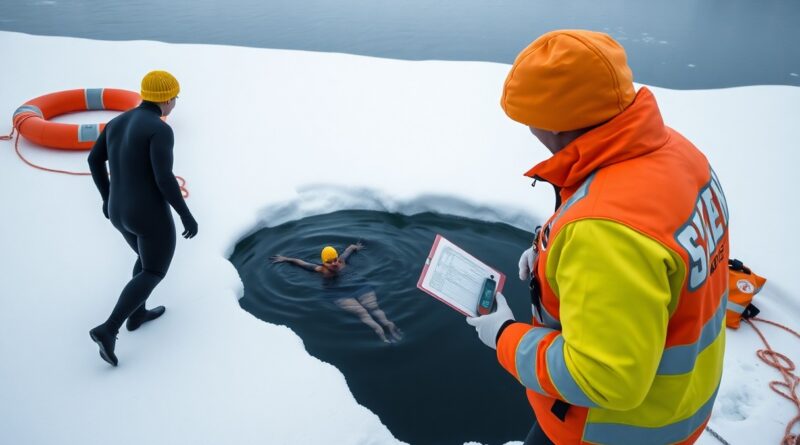
Is Winter Swimming Safe? Risks, Benefits, and Medical Advice {High‑intent article addressing safety concerns, health effects, and precautions.
Just because winter swimming can feel invigorating doesn’t mean it’s risk-free; you should assess your health, fitness and conditions before entering cold water. It offers reduced inflammation, improved mood and circulation when done safely, but poses hazards like cold shock, hypothermia and cardiac events. Follow staged acclimation, limit exposure, warm up immediately, never swim alone and carry flotation; and if you have cardiovascular disease, asthma or other concerns, consult your doctor before trying it.

Key Takeaways:
- Cold-water swimming carries risks: cold-shock response, hypothermia, arrhythmia and drowning-risk is higher with cardiovascular, respiratory, or uncontrolled metabolic conditions; acclimate gradually and never swim alone.
- Potential benefits include improved circulation, reduced inflammation and faster muscle recovery, plus mood and stress improvement; benefits depend on duration, frequency and individual health.
- Precautions and medical advice: consult a physician before starting if you have heart disease, hypertension, asthma or diabetes; limit exposure time, use a buddy, avoid alcohol, check conditions and warm up slowly after exiting.
Understanding Winter Swimming
Cold-water immersion spans a range from brisk dips to structured swims, often in water between 0-15°C; competitive ice swims usually occur at ≤5°C over distances of 25-1,000 m. You face immediate physiological responses – a cold shock gasp, rapid heart rate and blood pressure spikes – and longer-term adaptations like increased brown fat activation, norepinephrine release, and mood elevation when exposure is gradual and supervised. Assess your health status before attempting regular winter swims to weigh risks versus benefits.
What is Winter Swimming?
Winter swimming means deliberately entering unheated natural water during cold months, from quick immersions under 5 minutes to longer controlled laps; you’ll see practices that combine a sauna or warm shelter to manage core temperature. Participants range from casual “polar bear” club members to athletes following IISA rules for ice swimming, and the activity emphasizes timed entry, short exposure durations, and monitoring to avoid hypothermia or cardiac events.
History and Popularity
Winter swimming has deep roots in Nordic and Slavic cultures-Finnish avantouinti, Russian morzhei, and UK polar-bear traditions-and expanded into formal competition and social clubs across Europe. You’ll find organized events and community swims in many coastal and lakeside cities, and the sport’s visibility grew as groups standardized rules for safety and competitive distances.
Scientific and cultural interest surged after publicized training methods and research; for example, a 2014 study by Kox et al. linked trained cold exposure and breathing techniques to elevated epinephrine and reduced inflammatory responses during endotoxin challenge. You can expect local clubs, social-media communities, and medical guidelines to influence how clubs structure safe, supervised winter-swim sessions.
Health Benefits of Winter Swimming
You can gain several physiological advantages from regular cold-water swims: improved circulation, boosted immune signaling, and faster cold-adaptation that raises resting metabolic rate. If you want further reading, see Why winter swimming is not as dangerous as you might think. Many enthusiasts who swim 2-4 times weekly report fewer respiratory infections and better tolerance to cold, though hypothermia and cardiac strain remain real risks you must manage.
Physical Health Improvements
You’ll notice vascular benefits as repeated cold exposure causes peripheral vasoconstriction followed by reactive vasodilation, improving endothelial function and circulation. Regular winter swimmers often experience reduced systemic inflammation and improved glucose regulation through increased brown adipose activity; studies and cohorts typically use sessions of 5-15 minutes, 2-4 times per week. Stay aware that sudden immersion can spike blood pressure and heart rate, so you should progress gradually and avoid overexertion.
Mental Health Benefits
You get fast, reliable mood lifts from cold-water immersion thanks to surges in norepinephrine and endorphins and a strong parasympathetic rebound after exiting the water. Many participants report immediate reductions in anxiety and improved alertness; small trials and observational studies note benefits when you commit to consistent 4-8 week programs. Community rituals around swims also strengthen social support, amplifying the effect.
You can deepen those gains by combining breath control, brief exposure progression, and group swims. Physiologically, the acute sympathetic activation followed by vagal activation reduces perceived stress, while behavioral factors-ritual, mastery, and peer support-sustain improvements. Clinical and field studies show clinically meaningful mood improvements in some cohorts over 4-8 weeks, so you should treat winter swimming as an adjunct to-but not a replacement for-professional care for depression or anxiety.
Risks and Safety Concerns
You face several predictable hazards when winter swimming: immediate physiological stress, longer-term cold exposure, and environmental dangers like ice and currents. Acute threats include the cold shock gasp and rapid blood pressure spike, while prolonged immersion risks lowering your core temperature below 35°C (95°F)
Immediate immersion can trigger a violent gasp reflex and hyperventilation within seconds, increasing drowning risk if your head submerges. Within minutes you’ll feel intense peripheral vasoconstriction and shivering; core temperature dropping below 35°C marks hypothermia onset (mild 35-32°C, moderate 32-28°C). Short swims under controlled conditions limit heat loss; prolonged exposure or impaired mobility rapidly escalates danger. Cold water produces a strong sympathetic surge-your heart rate and blood pressure spike, which can precipitate arrhythmia or myocardial infarction in people with coronary disease. Sudden cardiac arrest is a leading cause of fatalities in open-water winter swimming incidents. If you have high blood pressure, prior heart attack, or known arrhythmias, your risk and consequences from immersion are significantly higher. Before you attempt winter swimming, get medical clearance if you have cardiovascular risk factors; consider an ECG or stress test when indicated. Start with supervised, very short exposures (10-60 seconds), avoid alcohol, and monitor how medications (beta‑blockers, vasodilators) alter your response. Always swim with a trained partner, have warm shelter ready, and stop immediately if you feel chest pain, severe breathlessness, dizziness, or palpitations. Before you enter icy water, plan progressively: get medical clearance if you have heart disease, hypertension, diabetes, or seizures, set a maximum swim time and have a trained buddy or shore watcher, and create an exit/rewarm plan. Expect cold shock, hypothermia, and a small risk of cardiac events-so schedule swims near rescue access, check local temperatures and currents, and never go alone. Start with short exposures and log your progress over weeks. Prioritize insulation and safety: wear a wetsuit or drysuit when appropriate, with neoprene cap, gloves, booties (3-5 mm) for 0-10°C water; in milder 10-15°C swims you may use thermal swimwear. Bring a bright tow-float, whistle, rope, insulated changing mat, towel, and warm clothing for immediate post-swim rewarming. Use a sealed dry bag for keys/phone and always carry a hot drink and thermal blanket in your kit. Spend 5-10 minutes doing dynamic movements to raise core temperature without exhausting yourself: brisk walking, high knees, lunges, arm circles, and torso twists are effective. Pair this with controlled breathing-slow inhales and longer exhales for 1-2 minutes-to blunt the cold-shock gasp reflex. Aim to break a light sweat but stay able to speak comfortably; avoid heavy anaerobic work that leaves you breathless before entry. For a practical routine, try 1 minute brisk walk, 1 minute high knees, 1 minute arm swings/shoulder circles, 1 minute walking lunges, then 1-2 minutes of slow diaphragmatic breathing; perform mobility for ankles and wrists if you’ll use fins. Acclimatize at the waterline: dunk feet and hands first, then try a 30-60 second shallow immersion before full entry, and increase time gradually over sessions to build tolerance while monitoring heart rate and perceived exertion. If you have known heart disease, uncontrolled hypertension, asthma, diabetes with neuropathy, or are pregnant, get medical clearance before cold-water immersion; cold shock can provoke rapid tachycardia, hypertension, and arrhythmias in susceptible people. Discuss frequency and duration with your clinician, and disclose medications-particularly beta-blockers, anticoagulants, or vasoconstrictors-which can alter your response or bleeding risk during ice-swims. Ask for a targeted pre-participation evaluation if you’re over 40 or have risk factors: a resting ECG, blood pressure check, and exercise stress test if you have coronary disease history or unexplained chest pain. If you’ve had a myocardial infarction within the past 6 months, uncontrolled arrhythmia, or syncope, avoid unsupervised immersion until cardiology clearance. Share swim plans so clinicians can advise tailored limits and monitoring. Start with progressive acclimatization: begin at 30-60 seconds in 10-15°C water and increase exposure by no more than 10-20% per week; for water below 5°C limit initial sessions to under 2-3 minutes. Always swim with a buddy or supervised group, have a clear exit route within 50 meters, wear a cap or neoprene accessories if needed, and avoid alcohol beforehand; never swim alone. Check ice safety: for clear, solid ice aim for at least 10 cm (4 in) for a single person on foot and avoid white, rotten, or slushy ice. Carry safety gear-rope, ice picks, whistle, waterproof phone-and lay out warm, dry clothing and a heat source nearby. If someone shows severe shivering, confusion, or loss of coordination, remove wet clothes, warm the core gradually with dry blankets and warm (not hot) fluids, and call emergency services immediately. You’ll hear a mix of anecdotes: swimmers who join local wild-swim groups meeting 2-4× weekly, people reporting mood and sleep gains within 4-8 weeks, and frequent mentions of the cold-shock risk during the first 60 seconds. For a deeper review of population-level benefits and risks see Is swimming in winter beneficial for overall health? You may read accounts like a retiree who began 15‑minute dips 3×/week and cites reduced anxiety, or a club that tracks 50 members and reports fewer colds; several stories also note near-misses from unexpected currents and hypothermia, underlining the need for a buddy and timed exits. You should start slowly-try brief 30-60 second entries, plan 5-10 minute sessions, and always warm up afterward; many swimmers find incremental exposure over 6-12 weeks reduces the intensity of the cold‑shock response and improves tolerance. You must always swim with a partner, carry a whistle, wear a neoprene cap or booties if needed, and avoid alcohol; anecdotal patterns show those who log sessions and check ambient and water temps (e.g., 0-5°C vs 5-15°C) adapt more safely and gain consistent benefits. Summing up, winter swimming can offer mood, circulation, and immune benefits, but it carries real risks such as hypothermia, cold shock, and cardiac strain. You can reduce danger by acclimatizing gradually, never swimming alone, using flotation and thermal protection, planning an exit and warm-up, and avoiding alcohol. If you have heart disease, uncontrolled hypertension, respiratory problems, are pregnant, or take certain medications, consult your physician before attempting cold-water immersion. A: Short answer: it can be safe for healthy, well-prepared individuals but carries real immediate risks. Primary dangers are cold-shock (gasping, hyperventilation), rapid blood pressure and heart-rate changes that can trigger arrhythmia or cardiac arrest, hypothermia after prolonged exposure, and increased drowning risk from impaired motor control. Reduce risk by never swimming alone, entering water gradually, limiting initial immersion to very short periods, having a clear exit and rapid warming plan, avoiding alcohol and heavy meals before exposure, and using a buoyant aid or supervised location. People with known heart disease, uncontrolled hypertension, recent cardiac events, or severe respiratory conditions face higher risk and should not attempt unsupervised cold-water immersion without medical clearance. A: Reported benefits include short-term mood elevation, reduced perceived inflammation, improved circulation and cold tolerance with repeated exposure, and possible metabolic effects such as increased brown-fat activity. Harms include transient spikes in blood pressure, bronchospasm in sensitive people, potential for frostbite in exposed extremities, and cumulative cardiovascular strain if sessions are frequent and unmanaged. Benefits are more likely when exposure is incremental, sessions are brief, and participants follow safety practices; unplanned or prolonged immersion increases the likelihood of harm. A: Seek medical advice before starting if you have any history of coronary artery disease, heart failure, arrhythmia, uncontrolled hypertension, stroke, diabetes with neuropathy, severe asthma, pregnancy, or recent major illness or surgery. A clinician may recommend an ECG, exercise test, or tailored guidance. Start with supervised, short exposures (seconds to a few minutes depending on temperature and acclimatization), avoid medications that blunt warning symptoms without guidance, have a trained spotter or lifeguard, plan rapid rewarming (dry clothing, warm drinks), and get urgent care for symptoms after immersion such as chest pain, severe shortness of breath, fainting, prolonged numbness, or confusion.Hypothermia and Cold Shock
Cardiovascular Issues
Preparing for Winter Swimming
Recommended Gear and Attire
Pre-swim Warm-up Techniques
Medical Advice and Precautions
Consulting Healthcare Professionals
Guidelines for Safe Practices
Personal Experiences and Testimonials
Stories from Winter Swimmers
Lessons Learned
Conclusion
FAQ
Q: Is winter swimming safe for most people?
Q: What benefits and harms should I expect from winter swimming?
Q: What medical precautions should I take and when should I consult a doctor?
