
Winter Swimming Alone vs in a Group – What’s Safer? {Decision‑making article encouraging safe social practices.
There’s a clear safety trade‑off when you winter swim: group swims offer immediate assistance, spotting and shared emergency response, while solo swims increase risk of cold shock, hypothermia and drowning if you become incapacitated; you should prioritize planning, visible signals, timed limits and flotation to reduce risk, inform someone of your route and exit and choose group options when possible for the safest outcome.
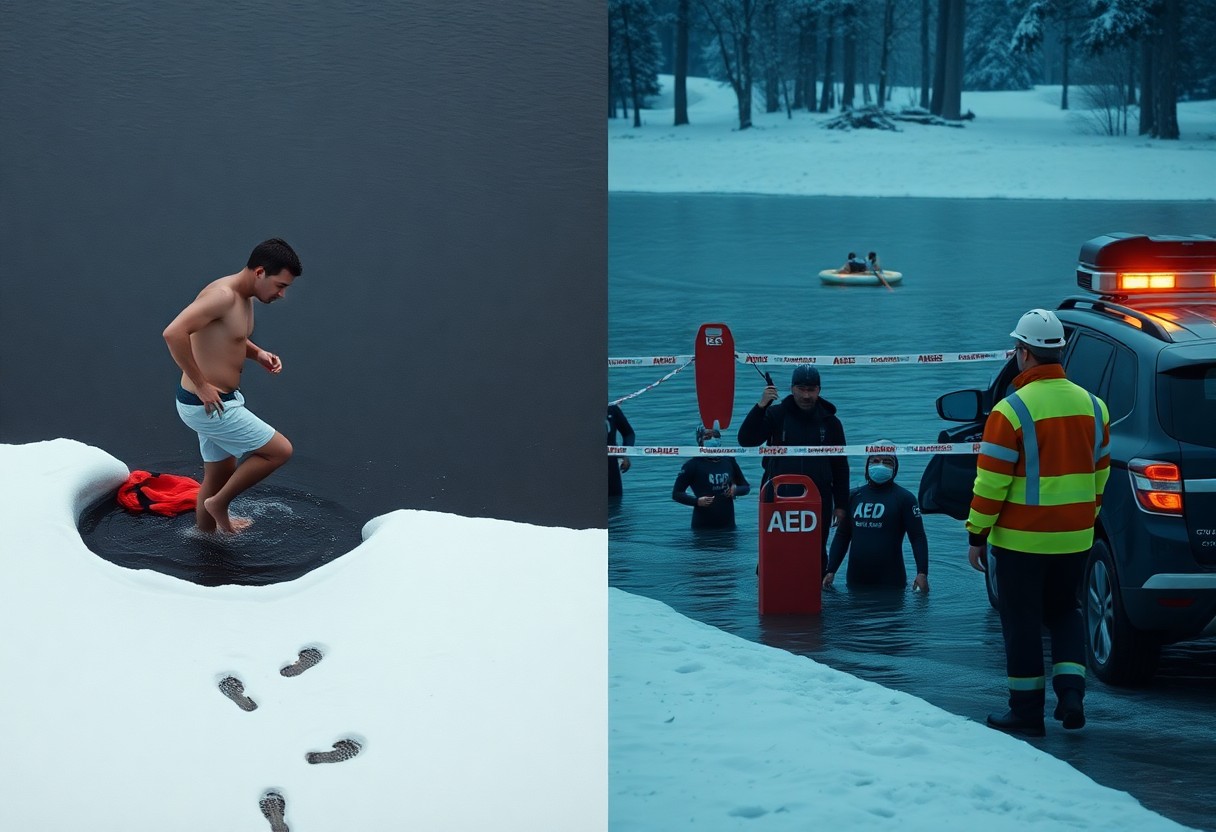
Key Takeaways:
- Group swims significantly lower the risk of drowning and delayed rescue because companions can provide immediate assistance, monitor for hypothermia, and carry emergency gear.
- If you choose to swim alone, mitigate hazards by notifying someone of your location and ETA, carrying a personal locator or whistle, limiting immersion time, and avoiding remote or rough-water sites.
- Adopt consistent safety practices: check weather and water conditions, use appropriate thermal protection or flotation, avoid alcohol, and favor organized or buddy swims with predefined signals and rescue plans.
The Benefits of Winter Swimming
You get measurable physiological and psychological effects from regular cold-water immersion: brief dips of 1-3 minutes in 0-10°C water trigger vasoconstriction followed by reperfusion, increase norepinephrine and brown-fat activity, and can raise short-term energy expenditure and alertness; however, those same mechanisms create acute cardiac and cold-shock risks that change how you should plan sessions and recovery.
Physical Health Advantages
You improve circulation and metabolic function by repeatedly stimulating peripheral vasoconstriction and rebound vasodilation, which in observational studies has been associated with modest reductions in resting blood pressure (a few mmHg) and increased cold-induced thermogenesis. Short immersions (under 3 minutes) reliably elevate norepinephrine and leukocyte mobilization, supporting inflammation control for some people, but preexisting heart disease or uncontrolled hypertension substantially raises your risk during initial exposures.
Mental Health and Well-Being
You experience strong mood and resilience effects: acute cold exposure produces endorphin and norepinephrine surges that reduce perceived stress and anxiety, and a randomized trial of regular cold showers (30-90 seconds daily) reported a ~29% reduction in sickness absence as a proxy for improved well‑being. Those neurochemical shifts explain why many swimmers report immediate clarity and a sustained drop in baseline stress after repeated swims, though initial sessions can feel intensely uncomfortable.
Digging deeper, you gain longer-term benefits through habituation: repeated controlled exposures lower the intensity of the cold‑shock response, so after 6-12 weeks many people report less anxiety entering the water and better sleep quality. Group settings amplify the effect-shared ritual, accountability, and oxytocin-linked bonding increase adherence and amplify mood gains-while solitary practice demands stricter safety controls because your physiological response can still provoke sudden arrhythmia or loss of coordination during early adaptation.
Risks of Winter Swimming Alone
Being alone removes the immediate safety net: if you suffer cold shock, cardiac arrhythmia, or collapse there may be nobody to call for help. Bystander CPR within the first 4-6 minutes greatly improves survival, so solitary swims raise fatality risk. Equipment failure, rapid weather or tide changes, and impaired judgment from hypothermia further increase the chance you’ll face an emergency without timely rescue.
Hypothermia and Cold Shock
Cold shock typically hits in the first 1-3 minutes: an involuntary gasp reflex, uncontrolled hyperventilation, and surges in heart rate and blood pressure can cause immediate drowning or trigger arrhythmia. If your core temperature falls below 35°C you enter hypothermia; below ~32°C shivering often ceases and cognitive and motor skills deteriorate, rapidly reducing your ability to self-rescue.
Increased Risk of Injury
When you swim alone you face higher chances of cuts, head trauma, and entanglement from hidden hazards such as submerged rocks, branches, or discarded fishing line. Cold-induced numbness and loss of coordination make slips on icy banks or sudden currents far more dangerous, because you may be unable to climb out or signal for help.
Remote and urban sites both carry traps: river mouths and estuaries can produce strong undercurrents, tide changes may conceal drop-offs, and ice shelves can collapse without warning. Rescue services frequently encounter solitary swimmers with prolonged immersion and secondary injuries-if you misjudge an exit point or become entangled, your chance of a timely rescue falls dramatically.
Advantages of Group Winter Swimming
When you swim with others you gain an immediate safety net: teammates spot cold shock, cardiac symptoms and hypothermia faster, offer gear or warmth, and call help if needed, giving you a much higher chance of immediate assistance. Organized swims enforce timed dips (commonly 1-3 minutes), designated entry points and buddy checks, so your risk profile shifts away from solitary exposures; compare this with The Risks of Swimming Alone.
Enhanced Safety Measures
You benefit from structured precautions: a swim leader trained in CPR/first aid, shore spotters, safety kayaks or throw ropes, and clear entry/exit plans. Groups perform pre‑swim health checks and often use timed immersions to prevent overexposure, so if you experience cold shock or disorientation someone intervenes immediately instead of leaving you unattended on the bank.
Psychological Support and Motivation
Swimming with others increases your consistency and reduces anxiety-scheduled sessions, group rituals and positive feedback make you more likely to attend and to stay within safe limits. Teammates who know your usual response can spot changes early and offer calm guidance, which lowers the chance of panic‑driven errors in sub‑5°C water.
Mentorship and graded progression let you adapt safely: begin with 30-60 second dips, add 10-15 seconds per week under observation, practice breathing drills onshore and pair with an experienced swimmer who watches your entry and exit. Following a buddy’s feedback and a clear, incremental plan reduces the likelihood of abrupt collapse or unsafe escalation compared with isolated, unmonitored attempts.
Guidelines for Safe Winter Swimming
When you plan a swim, set explicit limits: establish maximum time, exit points and a warming plan before entering. Keep sessions to 1-3 minutes for beginners and consider 3-10 minutes only with experienced companions and a safety plan. Stay within sight of shore (10-20 m for casual swims), monitor water temperature and currents, and always have at least one designated responder ready to act for cold shock or hypothermia.
Necessary Equipment and Preparation
Bring a whistle, tow float, throw line and a charged phone in a waterproof case; pack dry clothes, an insulated blanket and a hot drink for post-swim rewarming. Wear neoprene booties, gloves and a swim cap when water is below 8°C. Check tide charts, currents and local hazards, tell someone ashore your ETA, and carry a simple kit with a torch, knife and a list of emergency numbers – whistle, throw line and thermal blanket can save a life.
Communicating with Group Members
Agree roles and signals before entering: assign one safety swimmer per 4-6 people, decide on whistle/arm signals for “help” and “all clear,” and confirm medical conditions and medications aloud. Use short verbal check-ins at the entry point and after every swim, keep visual contact during immersion, and rotate safety roles so fatigue doesn’t reduce vigilance.
Practice signals on dry land and run a quick drill monthly: simulate a collapse, execute the rescue plan, deploy the throw line and rehearse rapid evacuation to a sheltered area. Write emergency contacts and the nearest AED location on a waterproof card each swimmer carries; this way you ensure everyone knows the procedure and response time targets (under 3 minutes to begin assisted exit and treatment).
Making the Right Decision: Alone or in a Group?
You should weigh your objectives, fitness and site hazards: solo swims give flexibility, while group swims offer immediate aid, shared navigation and established safety routines – supported by research on community-led swims (Self-organised ocean swimming groups as facilitators for …). If you have heart risk factors, limited cold-water experience, or the site has strong currents, prioritize group sessions and documented safety roles.
Assessing Personal Skills and Experience
You must honestly assess open-water competency: be able to swim 200-400 m unassisted, control breathing to avoid cold-water gasping and perform basic self-rescue (float on your back, swim to shore). Prior heart conditions, syncope or epilepsy make solo swims markedly more dangerous. Progress via coached sessions, gradual cold exposure and practical exit drills before deciding to go alone.
Understanding Environmental Conditions
You need clear knowledge of water temperature, tides, currents, swell and exit options: cold shock is most severe in the first 60-90 seconds, water below 15°C raises physiological strain and sub-5°C immersion can incapacitate rapidly. Check tide tables, local bulletins and confirm a safe exit within a few minutes’ swim; avoid sites with unpredictable rip channels or abrupt depth drops.
Dig deeper into local hazards by observing surf, visibility and known submerged obstacles: rip currents can exceed 1 m/s and will pull you offshore faster than you can swim, so scout entry/exit lines, note break patterns and ask lifeguards or clubs about incident history. Use tide/weather apps, carry a tow-float and whistle, and set a strict turnaround time so you or your group can call for help if conditions change.
Summing up
The safer option is usually to swim with others because you gain immediate help, shared judgment, and reduced isolation; however, if you choose to swim alone you must build skills, notify someone of your plan, use safety gear, set strict time and temperature limits, and err on the side of caution-prioritize social swims whenever conditions or your confidence are marginal.
FAQ
Q: Is it safer to winter swim in a group or alone?
A: Swimming with others is typically safer because multiple people reduce response time for cold shock, collapse, or entrapment and provide immediate assistance and rescue equipment. Groups also share local knowledge about hazards (currents, ice, hidden obstacles) and create redundancy: someone can stay with a casualty while another fetches help. Solo swimming can be acceptable for experienced swimmers with strict controls (familiar location, short exposure, flotation device, onshore contact), but the margin for error is much smaller and recovery from an incident is far more difficult.
Q: What precautions should someone take if they choose to swim alone?
A: If you decide to swim alone, minimize risk by choosing a familiar, sheltered site with a clear, easy exit and short distance to warm shelter; limit immersion time and monitor bodily sensations for cold shock or numbness; wear a wetsuit or thermal protection and use a tow float for visibility and buoyancy; carry a waterproof phone or alert device and leave detailed plans (location, start/finish times) with a reliable contact; avoid alcohol and heavy meals before entry and consult a physician if you have cardiovascular or respiratory conditions; train in cold-water acclimation and self-rescue techniques and practice getting out quickly under realistic conditions.
Q: How should groups organize winter swims to maximize safety and support good decision making?
A: Establish clear leadership and roles (lead swimmer, shore lookout, designated rescuer), hold a pre-swim briefing covering entry/exit points, water and weather conditions, swim routes, individual fitness and experience, and cancellation thresholds; use a buddy system and keep groups small enough to monitor everyone; position a shore person with communication equipment and rescue kit (rope, throw bag, thermal blankets); stagger entries to avoid crowding narrow exits and appoint someone to log times and who is in the water; perform regular check-ins after immersion and agree in advance that anyone can call off the swim without stigma. Prioritize collective safety over individual bravado and cancel or modify activities when conditions, equipment, or participant readiness are inadequate.
