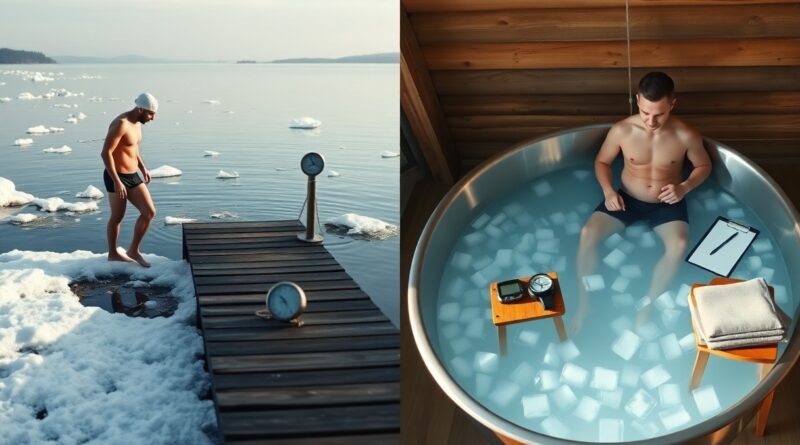
Winter Swimming vs Ice Baths – What’s the Difference? {Comparison article capturing users interested in cold exposure and recovery.
You weigh natural winter swimming against ice baths: winter swimming exposes you to variable temperatures and environmental hazards, while ice baths provide precise, repeatable cold exposure tailored for recovery; both can reduce inflammation and boost mental resilience, yet winter swimming carries higher risk of hypothermia and cardiac strain, so you should prioritize gradual acclimation, supervision, and medical clearance when needed.
Key Takeaways:
- Environment and control – winter swimming is open-water and highly variable (temperature, currents, water quality); ice baths offer controlled, repeatable temperatures and cleaner conditions.
- Physiological response and purpose – winter swimming promotes longer-term cold adaptation and tolerance; ice baths are typically short, targeted sessions for acute recovery, inflammation and soreness reduction.
- Safety and accessibility – winter swimming carries greater risks (cold shock, hypothermia, environmental hazards) and requires experience/supervision; ice baths are easier to dose, safer for most users, and simpler to integrate into routines.
Understanding Cold Exposure
When you immerse in near-freezing water, your body triggers cold shock (1-3 minutes), rapid breathing, vasoconstriction, and shivering; winter swims commonly hit 0-4°C while ice baths are often set between 1-10°C, giving you consistent dosing. Core temperature can fall ~0.5-2°C in short sessions, and prolonged exposure risks hypothermia (<35°C). For a focused comparison of mechanisms and outcomes see Winter Swimming vs. Ice Baths: The Science & Benefits.
Benefits of Cold Exposure
You can expect faster recovery, reduced delayed-onset muscle soreness, and large norepinephrine spikes (often 200-300%) that enhance alertness and mood; brief cold also activates brown fat and may modestly raise metabolic rate. Controlled ice baths (10-15°C, 5-15 minutes) let you standardize dose for recovery, while winter swimming delivers stronger hormonal surges but with more variability. Many athletes report quicker return to training and less inflammation.
Risks and Precautions
You face immediate dangers like the cold shock response, sudden blood pressure spikes, and potential arrhythmias if you have heart disease; hypothermia and loss of motor control become risks with prolonged immersion. Unpredictable currents, visibility, and water quality in winter swimming increase hazard compared to controlled ice baths. Never enter alone if you have cardiac concerns.
Before you begin, get medical clearance for cardiovascular or respiratory conditions and progress gradually-start with 30-60 second exposures, then build toward 5-15 minutes in ice baths at ~10-15°C; winter swims should usually remain under 3 minutes in near-freezing water. Always use a spotter, warm up first, avoid alcohol, monitor for dizziness or numbness, and exit immediately if symptoms of disorientation or slurred speech appear to reduce risk of hypothermia or cardiac events.

Winter Swimming
In open water you’ll encounter rapidly changing conditions-temperatures commonly sit between 0°C and 5°C, currents and ice cover vary, and the initial cold shock phase lasts about 1-3 minutes. You should plan exits, wear a hat or neoprene gloves for extremity protection, and never go alone; use a visible entry point and a warm shelter nearby. Beginners typically limit immersion to 30-90 seconds, while experienced swimmers may extend to 5-15 minutes with proper acclimatization and monitoring for signs of hypothermia.
What is Winter Swimming?
Winter swimming is deliberate immersion and swimming in natural bodies of water during freezing months-often through an ice-hole or beside shore ice-practiced worldwide by groups like polar bear clubs and Nordic traditions. You’ll commonly wear minimal insulation to maximize cold exposure benefits, though some use thin wetsuits; sessions are seasonal, community-driven, and vary from brief dips to structured training for endurance and adaptation to open-water hazards.
Health Benefits of Winter Swimming
You get acute sympathetic activation-spikes in norepinephrine and adrenaline-that can boost alertness and mood and temporarily suppress pain; regular exposure promotes vascular conditioning, increased peripheral circulation, and activation of brown fat which raises metabolic heat production. Observational data link habitual winter swimmers to lower self-reported inflammation and improved resilience to mild respiratory infections, but benefits scale with controlled, repeated exposure rather than sporadic plunges.
Mechanistically, repeated cold immersions trigger cycles of vasoconstriction during exposure and rebound vasodilation after exit, improving endothelium function and cold tolerance over weeks. You should watch for core temperature below 35°C (clinical hypothermia) and possible cardiac risks-arrhythmia risk rises if you have preexisting heart disease-so obtain medical clearance, use a buddy, limit duration, and warm gradually to maximize benefits and minimize harm.
Ice Baths
You use ice baths as an active recovery tool: immersions of 0-10°C (32-50°F) for short durations-commonly 5-12 minutes-are applied after intense training to reduce inflammation and speed return to play. Teams and recovery specialists tailor timing and frequency to the session type, alternating whole-body or lower-limb baths depending on sport demands and competition schedules.
What are Ice Baths?
You immerse your body (often to the chest or waist) in a tub of ice and water to rapidly lower muscle and skin temperature, inducing strong peripheral vasoconstriction. Typical practical setups target 0-10°C and use 5-12 minute exposures; alternatives include contrast baths or localized cold immersion for ankle or knee recovery.
Health Benefits of Ice Baths
You can expect reduced perception of muscle soreness and decreased swelling, with meta-analyses showing small-to-moderate improvements in delayed-onset muscle soreness and inflammatory markers compared with passive rest. Many athletes report faster readiness for subsequent sessions, though frequent post-resistance use may blunt long-term hypertrophy.
Clinical and athletic studies indicate 5-15 minute immersions at ~10°C lower post-exercise creatine kinase and C-reactive protein versus no intervention, and pro teams often schedule a 10-minute bath within 30 minutes of competition. At the same time, the cold shock can spike blood pressure and provoke arrhythmia in vulnerable people, so avoid ice baths if you have cardiovascular disease and limit duration to prevent hypothermia.
Key Differences
You’ll notice winter swimming is an outdoor, often community-driven practice with variable temps (near 0°C) and unpredictable currents, while ice baths are a controlled recovery tool kept at 0-10°C for specific 5-12 minute windows. Adaptation and immune signals differ too – small trials and reviews (see Regular cold shower exposure modulates humoral and cell …) show repeated exposure shifts hormonal and cellular responses. Be aware of hypothermia and cardiac stress risks with both.
Temperature and Duration
You get broader temperature variability with winter swimming (0-5°C typical) and shorter voluntary immersions, whereas ice baths are precise, often 0-10°C, with timed 5-12 minute protocols aimed at recovery and inflammation control.
Quick comparison
| Winter Swimming | Ice Baths |
|---|---|
| Typical temp: ~0-5°C | Typical temp: 0-10°C |
| Duration: 30s-3 min (variable) | Duration: 5-12 min (protocol-driven) |
| Environment: outdoors, uncontrolled | Environment: indoor, controlled |
Physiological Effects
You experience an immediate sympathetic surge-spike in heart rate, blood pressure, and catecholamines-plus peripheral vasoconstriction that reduces tissue temperature and swelling; ice baths are used to blunt DOMS and inflammation post-exercise, while winter swimming stresses thermoregulation more intensely.
With repeated exposure you can develop habituation: less shivering, altered cytokine profiles, and improved cold tolerance over weeks. That adaptation underpins reported benefits (better recovery, mood), but if you have cardiovascular disease the arrhythmia and hypotension risk rises-so progressive dosing and medical clearance matter.
Popularity and Trends
Participation has accelerated globally: urban cold-plunge businesses and winter bathing clubs have multiplied in the last decade, and annual events like Polar Bear Plunges attract thousands of participants in countries such as the US, UK and the Nordics. Social platforms amplify short-form cold-exposure content, driving curiosity among athletes and wellness seekers. You should weigh the cultural enthusiasm against the clinical risks of unregulated exposure-hypothermia and cardiac events remain real hazards for newcomers.
Winter Swimming Community
In Scandinavia and Russia you’ll find organized clubs with seasonal memberships, saunas and maintained ice-holes that create ritualized safety practices and peer coaching; many groups run weekly swims and charity plunges with hundreds of regulars. The community aspect gives you social accountability and mental-health benefits, while local knowledge (ice thickness, currents) helps mitigate risks-yet open-water variables mean you must follow club protocols and never swim alone to avoid drowning or cold-shock.
Ice Bath Trends in Sports
Among professional teams and strength coaches, ice baths are standard post-session tools: common protocols you’ll encounter are 0-10°C immersions for 5-10 minutes immediately after competition or intense training. Research-backed adoption stems from consistent reductions in perceived muscle soreness and inflammation markers, though sports scientists debate timing and frequency relative to long-term adaptation goals. Always consult your medical or performance staff before integrating aggressive cold protocols because of cardiac and recovery trade-offs.
For more detail, many elite programs pair cold immersion with compression and active recovery to maximize short-term readiness; Olympic and pro squads often have dedicated plunge tanks in recovery rooms. You’ll also see pushback: randomized trials indicate repeated post-strength cold exposure can blunt hypertrophy and strength gains, so coaches selectively apply ice baths for competition windows rather than every training day. Monitor how your performance metrics respond and adjust protocols accordingly.
Choosing the Right Method
Balance safety, goals and access to decide what fits you best: choose ice baths if you want reproducible recovery-0-10°C for 5-12 minutes-or pick winter swimming for acclimation and community exposure to near-0°C waters (often 30 seconds-5 minutes). Factor in logistics like tubs, ice, permits and supervision, and if you have heart or circulatory conditions, get medical clearance before starting.
Considerations for Beginners
Start conservatively: you should begin with 30-60 seconds of cold exposure and progress weekly toward 2-3 minutes, or use short 5-12 minute ice baths as you adapt. Practice breath control, enter feet-first, and always have someone present for open-water sessions-avoid going solo. Stop and seek help if you experience intense numbness, confusion or palpitations.
Personal Preference and Goals
If you want targeted recovery after training, choose ice baths so you can dose temperature and time precisely; if your priorities are mental resilience, social connection or long-term acclimation, winter swimming’s variable conditions better serve those aims. You can use ice baths 2-3 times per week post-hard sessions, while weekly winter swims often sustain habit and community engagement.
You can expect physiological adaptation to begin within 4-6 weeks of regular cold exposure; for example, people doing three sessions weekly report less shivering and faster tolerance gains. If you prioritize reducing inflammation, you should take an ice bath within 30 minutes post-exercise for 5-12 minutes at 0-10°C, whereas if you value ritual and mindset, steady outdoor swims once or twice weekly will better build habit and social ties.
Summing up
Conclusively you should see winter swimming as an immersive, unpredictable outdoor practice that builds cold adaptation and cardiovascular resilience, whereas ice baths provide controlled, short exposures aimed at acute recovery and inflammation control; choose winter swimming to develop long-term tolerance and a stronger stress response, and choose ice baths when you need predictable post-exercise recovery, while always prioritizing your safety and gradual acclimation.
FAQ
Q: What are the main physiological differences between winter swimming and ice baths?
A: Winter swimming takes place in natural cold water (often 0-5°C) and is typically episodic and variable in temperature, while ice baths are controlled exposures in artificially chilled water (commonly 0-10°C) with precise timing. Physiologically, both provoke an immediate cold-shock response (hyperventilation, sympathetic surge) and peripheral vasoconstriction, but their downstream effects differ. Ice baths are used as targeted cold-water immersion to reduce local inflammation, limit perceived muscle soreness, and blunt acute swelling after exercise. Winter swimming-especially when practiced repeatedly-produces broader systemic adaptations: improved cold tolerance, greater non-shivering thermogenesis (brown fat activation over time), enhanced autonomic regulation, and psychological benefits from exposure and social/ritual contexts. Because winter swims are less standardized, cardiovascular and metabolic responses vary more than with prescribed ice-bath protocols.
Q: Which method is better for post-exercise recovery and how should each be used?
A: For acute post-exercise recovery-reducing delayed onset muscle soreness (DOMS) and short-term inflammation-controlled ice baths are generally more effective because temperature and duration can be prescribed (typical ranges: 0-10°C for 5-10 minutes, or milder cold-water immersion around 10-15°C for slightly longer). Use ice baths after intense endurance sessions or competitions when rapid recovery of performance is the priority. Avoid immediate cold immersion after resistance training if your goal is maximizing hypertrophy or strength adaptations, since cold can blunt the inflammatory signaling needed for muscle growth. Winter swimming is less consistent as a recovery tool but can promote overall resilience and circulation when done regularly; it pairs well with contrast protocols (sauna or warm-up afterward). Choose method, timing, and duration according to the training goal: acute performance recovery favors ice baths; long-term resilience, mental benefits, and cardiovascular conditioning favor regular winter-swim practice.
Q: What safety measures, acclimation steps, and medical cautions should people follow?
A: Cold immersion can trigger strong cardiovascular and respiratory responses: cold shock, rapid breathing, blood pressure spikes, arrhythmias, and hypothermia if exposure is prolonged. Do not practice alone; have a buddy, supervision, or immediate access to help. Get medical clearance before starting if you have cardiovascular disease, uncontrolled hypertension, prior heart attack, known arrhythmia, severe asthma, diabetes with autonomic or peripheral neuropathy, or are pregnant. Acclimation should be gradual: begin with cold showers (30-90 seconds) a few times per week, then progress to brief, supervised cold-water exposures (start under a minute in near-freezing natural water or 2-5 minutes in milder ice baths), increasing duration slowly over weeks. Always exit at signs of excessive shivering, numbness, dizziness, or persistent breathlessness. Warm up after exposure with dry clothing and passive heat; avoid alcohol before and after immersion. When in doubt about personal risk, consult a healthcare provider before attempting prolonged or very cold exposures.
