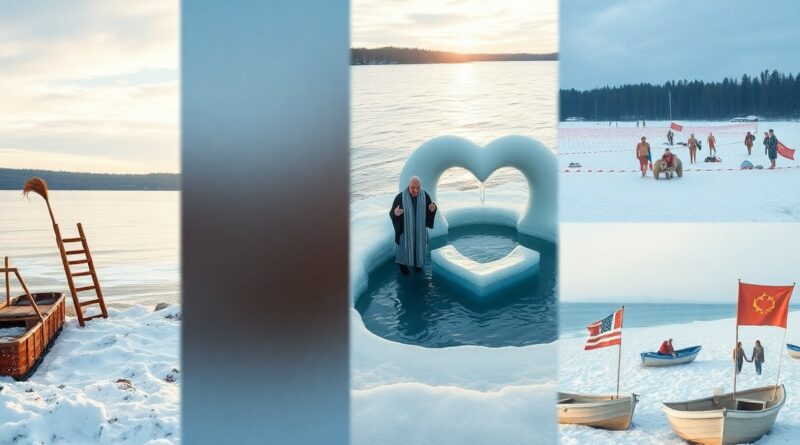
Winter Swimming Around the World – Traditions and Customs from Various Countries
There’s a powerful ritual in plunging into freezing waters during winter, one you’ll find from Finland to Japan. In Finland, avanto involves cutting ice holes followed by sauna, a cycle known to boost circulation and mental resilience. Russians brave near-hypothermic conditions during Krzepy events, often in Orthodox winter festivals. In Japan, misogi practitioners perform icy river dips at dawn for spiritual purification. The Dutch celebrate the Nieuwjaarsduik, where thousands examine the North Sea each New Year’s Day-a test of endurance tied to renewal and courage. These traditions show winter swimming is far more than a shock to the body-it’s a global rite of strength, health, and cultural identity.
Key Takeaways:
- Winter swimming traditions like Finland’s avanto, Russia’s Krzepy, Japan’s misogi, and the Netherlands’ Nieuwjaarsduik reflect unique cultural attitudes toward nature, purification, and resilience, showing how cold-water immersion serves both spiritual and communal purposes.
- These practices often coincide with seasonal or religious events-such as New Year celebrations or Shinto rituals-highlighting their role in marking time, renewal, and personal challenge within the community.
- Despite geographic and cultural differences, winter swimmers worldwide share a common emphasis on mental fortitude, physical endurance, and the sense of belonging that comes from participating in a collective rite.
The Finnish Hole
You plunge into the bone-chilling water through a jagged opening in the ice, a practice known as avanto in Finland. After the shock of the cold, you rush to a nearby sauna, where heat pulls warmth back into your limbs. This cycle of extreme temperature contrast is not just ritual-it’s believed to boost circulation and resilience. You emerge invigorated, part of a tradition rooted in simplicity, nature, and endurance.
The Russian Soul
Embracing the frozen embrace of winter, you plunge into Russia’s icy rivers during Krzepy, a ritual tied to Epiphany where believers brave sub-zero waters to retrieve a cross. This act of faith and endurance reflects a deeper cultural resilience. You might find parallels in the Danish trick to “shock” your body into happiness, yet here, the cold is sacred, not just therapeutic.
The Japanese Flow
You immerse yourself in icy rivers during misogi, a Shinto purification ritual that connects body and spirit to nature’s rhythm. This practice, rooted in centuries-old tradition, demands mental fortitude and reverence. Unlike recreational dips, Winter swimming here serves a sacred purpose-cleansing the soul through extreme discipline and spiritual focus.
The Dutch Sea
Every New Year’s Day, you’ll find thousands of Dutch locals charging into the icy North Sea as part of the Nieuwjaarsduik tradition. This bold ritual symbolizes renewal and resilience, with swimmers braving near-freezing temperatures for charity and celebration. You can learn more about the practice of Winter swimming and its global appeal through this immersive cultural journey.
The Universal Cold
You plunge into freezing water, and your body reacts instantly-heart racing, breath sharp. This shock is universal, felt the same in Finland’s ice holes as in Japan’s sacred rivers. Yet within this dangerous cold lies a shared human pursuit: clarity, resilience, renewal. Across cultures, you’re not just surviving the chill-you’re joining a profound ritual older than borders.
Conclusion
With these considerations, you see how winter swimming weaves together endurance and tradition across continents. You plunge into icy waters not just in Finland’s avanto or Russia’s Krzepy, but also in Japan’s spiritual misogi and the Netherlands’ Nieuwjaarsduik, each dip rooted in history, health, and communal identity.
FAQ
Q: What is avanto, and how is it practiced in Finland?
A: Avanto refers to a hole cut in frozen lakes or sea ice for winter swimming, a tradition deeply rooted in Finnish culture. During winter, especially around Christmas and New Year, Finns gather in groups to swim in these icy openings, often after spending time in a hot sauna. The contrast between extreme heat and cold is believed to invigorate the body and sharpen the mind. Swimmers typically stay in the water for less than a minute, then rush back to the sauna. This ritual is more than physical endurance-it’s a social event, a moment of reflection, and a way to connect with nature during the long, dark winter months.
Q: How do Russians celebrate winter swimming, and what role does Epiphany play?
A: In Russia, winter swimming is closely tied to the Orthodox Christian celebration of Epiphany on January 19. On this day, believers participate in a ritual where they bathe in icy waters, often through a cross-shaped opening in the ice. The practice is seen as a form of spiritual purification, commemorating the baptism of Jesus Christ in the Jordan River. Thousands gather at rivers, lakes, and even urban reservoirs across the country, many making the plunge in traditional robes or bare skin. Clergy often bless the water, and participants believe the swim brings health, forgiveness, and protection for the year ahead.
Q: What is Japanese misogi, and how does it relate to winter water rituals?
A: Misogi is a Shinto purification practice that involves standing or bathing under freezing waterfalls, often during winter. Practitioners, usually members of spiritual or martial arts groups, perform misogi to cleanse the body and spirit, seeking mental clarity and spiritual renewal. The ritual typically begins before dawn and includes chanting, breathing exercises, and brief immersion in icy water. While not exactly the same as open-water swimming, misogi shares the core idea of using cold water as a transformative force. It reflects a deep cultural respect for nature and self-discipline in Japanese tradition.
Q: What is the Dutch Nieuwjaarsduik, and why do so many people take part?
A: The Nieuwjaarsduik, or New Year’s Dive, is a Dutch tradition where thousands of people jump into the North Sea on January 1. What began as a small local event in Scheveningen in 1960 has grown into a nationwide phenomenon, with over 10,000 participants annually. Swimmers range from children to seniors, many wearing costumes for fun. The event is not religious but is seen as a bold way to start the new year-symbolizing courage, renewal, and resilience. Organized by local charities, it also raises money for good causes. The cold water shock is embraced as a thrilling challenge and a shared cultural experience.
Q: Are there other countries with notable winter swimming customs?
A: Yes, winter swimming appears in many forms around the world. In Estonia, people swim in the Baltic Sea during winter festivals, often breaking the ice by hand. In Canada, polar bear plunges occur on New Year’s Day in cities like Vancouver and Toronto, drawing crowds for charity and celebration. In Poland, thousands join Epiphany swims similar to those in Russia, braving icy rivers in January. Even in the United States, communities from Wisconsin to Alaska host winter swim events, often tied to local festivals. These traditions vary in meaning-some spiritual, some social, some charitable-but all share a fascination with the power of cold water to unite, challenge, and inspire people.
