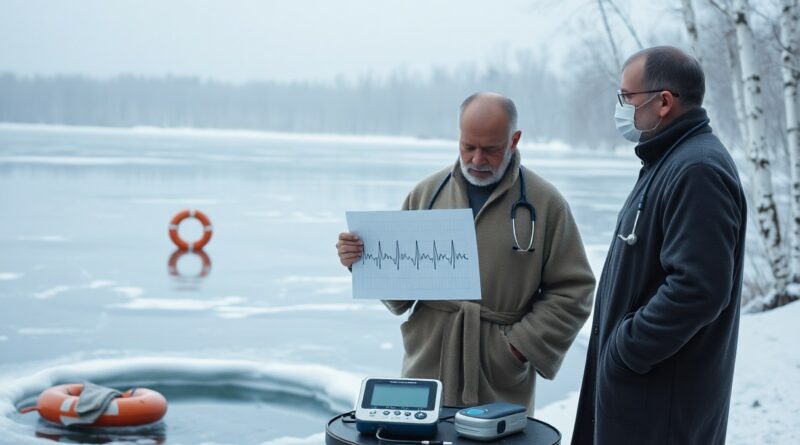
Winter Swimming and the Heart – Who Should Consult a Doctor Before Starting?
With winter swimming gaining popularity, your heart’s response to sudden cold exposure becomes a serious concern. Cold water triggers sharp spikes in blood pressure and heart rate, which can be dangerous if you have undiagnosed heart conditions. Anyone with a history of heart disease, high blood pressure, or family history of sudden cardiac events should consult a doctor before starting. Medical evaluation, including ECG or stress testing, may be necessary. Sharp chest pain, extreme shortness of breath, or irregular heartbeat during immersion require immediate exit from the water.
Key Takeaways:
- People with known heart conditions, high blood pressure, or a family history of sudden cardiac events should consult a doctor before attempting winter swimming, as sudden cold exposure can trigger dangerous changes in heart rhythm and blood pressure.
- Anyone over 40 (men) or 50 (women) planning to start winter swimming-especially those with sedentary lifestyles or risk factors like smoking or elevated cholesterol-should consider a medical evaluation, including an ECG or stress test, to assess heart function under strain.
- Symptoms like chest discomfort, irregular heartbeat, dizziness, or extreme shortness of breath during cold-water immersion are warning signs to exit the water immediately and seek medical advice before future attempts.

The Cold and the Blood
Cold immersion causes your blood vessels to constrict, sharply increasing blood pressure and straining your heart. If you have uncontrolled hypertension or a history of cardiovascular issues, this stress can trigger dangerous arrhythmias or heart attacks. You may not feel symptoms until it’s too late, so don’t ignore how deeply cold affects circulation. Exit the water immediately if you feel chest tightness, dizziness, or irregular heartbeat.
The Heart’s Refusal
Your heart may respond to sudden cold immersion with dangerous spikes in blood pressure and irregular rhythms. If you have known heart disease, uncontrolled hypertension, or a history of arrhythmias, do not attempt winter swimming without medical clearance. Warning signs like chest pain, severe shortness of breath, or dizziness mean you must exit the water immediately. Learn more about the risks and science behind this practice in this insightful piece on Cold water swimming: method to the madness.
The Necessary Trials
Every time you enter icy water, your body faces a sudden stress that can spike blood pressure and strain your heart. If you have underlying heart issues, this response could trigger a dangerous event. That’s why an ECG or stress test isn’t optional-it’s important. You’re not a polar bear: The plunge into cold water comes with risks that demand medical clarity before immersion. Warning signs like chest pain or extreme shortness of breath mean exit immediately.
The Body’s Warning
If you feel chest pain, dizziness, or sudden shortness of breath while in cold water, exit immediately-these are danger signs your heart may be under severe stress. Cold immersion triggers a rapid rise in blood pressure and forces your heart to work harder. You might also experience irregular heartbeats, which can escalate quickly. Never ignore these symptoms-they signal that your cardiovascular system is struggling.
Final Words
On the whole, you should consult a doctor before starting winter swimming if you have heart disease, high blood pressure, a history of stroke, or a family history of sudden cardiac death. Cold water immersion strains your cardiovascular system, and symptoms like chest pain, extreme shortness of breath, or irregular heartbeat mean you must exit immediately. Medical evaluation, including ECG or stress testing, can identify hidden risks and keep you safe.
FAQ
Q: How does cold water affect the heart during winter swimming?
A: Sudden immersion in cold water triggers an immediate physiological response known as the cold shock response. The skin’s cold receptors send signals to the brain, causing rapid breathing, gasping, and a spike in heart rate and blood pressure. Blood vessels constrict sharply to preserve core body heat, increasing the workload on the heart. For healthy individuals, this may be manageable, but for those with underlying heart conditions, this stress can lead to arrhythmias, angina, or even cardiac arrest. The heart must pump harder against tighter vessels, and oxygen demand rises quickly, creating risk during the first minute of exposure.
Q: Who should consult a doctor before trying winter swimming?
A: Anyone with a known heart condition should speak with a doctor before attempting cold water immersion. This includes people diagnosed with coronary artery disease, heart failure, arrhythmias like atrial fibrillation, or a history of heart attack or stroke. Individuals with uncontrolled high blood pressure, congenital heart defects, or a family history of sudden cardiac death should also seek medical advice. Even those over 40 who are inactive or have risk factors such as smoking, diabetes, or high cholesterol should consider a cardiac evaluation before starting.
Q: What medical tests might a doctor recommend before winter swimming?
A: A doctor may order an electrocardiogram (ECG) to check for irregular heart rhythms or signs of prior heart damage. For individuals with risk factors or symptoms like chest pain or shortness of breath during exertion, a stress test could be recommended to evaluate how the heart performs under physical load. In some cases, an echocardiogram may be used to assess heart structure and function. These tests help determine whether the heart can safely handle the intense demands of cold exposure and physical activity in frigid conditions.
Q: What warning signs during winter swimming mean you should get out immediately?
A: Chest pain, tightness, or pressure during or after entering cold water is a serious red flag. Other urgent symptoms include sudden dizziness, extreme shortness of breath, palpitations, or a racing, irregular heartbeat. Numbness or weakness on one side of the body, slurred speech, or confusion could signal a stroke and require emergency help. If you feel faint, disoriented, or notice your coordination failing, exit the water at once. These are not normal reactions and may indicate a dangerous cardiovascular event in progress.
Q: Can regular swimming or fitness eliminate the need for a medical check before winter swimming?
A: Being physically fit does not guarantee heart safety in cold water. Several otherwise healthy athletes have experienced cardiac events during winter swimming due to undiagnosed conditions like hypertrophic cardiomyopathy or electrical abnormalities. Exercise alone does not protect against the sudden stress cold water places on the cardiovascular system. Even experienced swimmers with strong endurance should consider a medical check if they are over 40, have any risk factors, or are returning after a long break. Cold exposure is a unique stressor that can reveal hidden problems no matter how fit a person appears.
