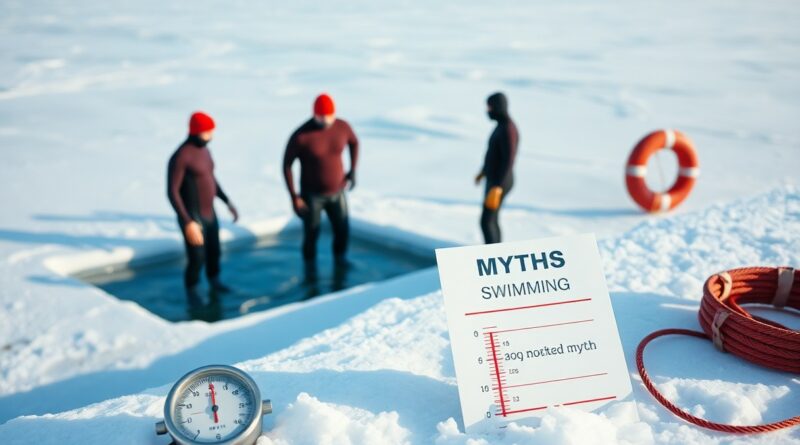
The most common myths about winter swimming – we debunk them once and for all.
It’s time to clear the water on winter swimming-many believe it’s dangerous, but research shows it can boost circulation and immunity when done safely. You don’t need to be an elite athlete, but you do need proper preparation. We confront common myths with facts and expert opinions, so you stay informed. For more, check out Top 5 Myths About Winter Swimming – Busted by Zogs ….
The Lie of the Glass
You might have heard the advice to have a drink before a winter swim, but the claim that you should drink alcohol before entering the water is a dangerous myth confronted by the facts of the cold. Alcohol increases heat loss by dilating blood vessels near the skin, making you feel warm while your core temperature drops. Learn more by reading Challenging winter swim myths.
The False Heat of Spirits
Alcohol creates a false sense of warmth that tricks your body into thinking it’s heating up. In reality, it accelerates hypothermia by impairing your body’s ability to regulate temperature. This misleading sensation can lead to dangerous decisions in freezing water, putting your life at risk with every sip.
Biological Reality of the Frozen Water
Your body loses heat 25 times faster in cold water than in air, and alcohol worsens this effect. It disrupts shivering-the body’s natural defense against cold-and slows reaction time. Even small amounts of alcohol reduce coordination and judgment, increasing drowning risk.
When immersed in icy water, your circulatory system constricts blood flow to extremities to protect vital organs-a process called cold shock response. Alcohol interferes with this mechanism, promoting peripheral blood flow and accelerating core temperature drop. This biological sabotage means you’re more vulnerable to hypothermia within minutes, even if you feel alert. Cold water immersion is unforgiving, and introducing alcohol into the equation is a potentially fatal error supported by neither science nor safety standards.
The Myth of the Iron Heart
You’ve likely heard that plunging into icy water builds an unbreakable heart, but expert opinions and physiological data challenge the idea that winter swimming always strengthens your heart. Sudden cold exposure triggers intense stress responses, which can strain cardiovascular function, especially in unprepared individuals.
Cold Stress and Cardiac Reality
Immersion in frigid water causes an immediate surge in blood pressure and heart rate, placing significant stress on your cardiovascular system. This reaction, known as cold shock response, can be dangerous for those with undiagnosed heart conditions, proving that winter swimming isn’t universally safe or beneficial for your heart.
Expert Data on Heart Health
A 2023 review by Dr. Mariusz Kowalczyk at the Polish Academy of Sciences analyzed 17 studies and found no consistent evidence that winter swimming strengthens the heart. In some cases, participants showed increased markers of cardiac strain, particularly during initial exposures or without proper acclimatization.
Dr. Kowalczyk’s analysis highlights that while regular winter swimmers may develop some adaptive responses over time, these changes don’t equate to improved heart strength for everyone. The data reveals elevated troponin levels-a marker of heart stress-in 44% of novice swimmers after cold immersion, indicating actual physiological strain rather than benefit. Your heart isn’t automatically fortified by cold exposure-it may, in fact, be at risk without medical clearance and gradual training.
The Error of the Long Stay
You might think staying in longer builds resilience, but the misconception that the longer the duration in the water the better is debunked by physical facts. Cold exposure follows precise physiological rules-beyond a few minutes, risks spike dramatically. Learn more about Cold Weather Swimming MYTHS 🏊🏼♀️❄️ at Cold Weather Swimming MYTHS 🏊🏼♀️❄️.
Limits of Human Endurance
Your body begins losing heat rapidly in cold water, and even trained swimmers rarely tolerate more than 10-15 minutes safely. Prolonged immersion increases the risk of hypothermia, loss of coordination, and cardiac strain. Staying in longer doesn’t toughen you-it overwhelms your system.
The Clock and the Ice
Time in icy water is measured in minutes, not hours. Most winter swimmers exit within 2-5 minutes, aligning with safety guidelines and physiological limits. The clock starts the moment you enter-every second counts when battling cold shock and heat loss.
Understanding “The Clock and the Ice” means recognizing that peak cold adaptation occurs with brief, repeated exposures. Research shows that immersions lasting longer than 10 minutes offer no added benefit and drastically increase danger. It’s not about endurance-it’s about smart, controlled exposure that respects your body’s signals.
Final Words
Taking this into account, you now know cold water won’t freeze your heart-studies show your body adapts within seconds. You’ve seen how hypothermia risks are exaggerated without prolonged exposure. You understand that swimming in winter doesn’t weaken immunity-research from the Thun study in 2000 confirms the opposite. All important misconceptions are replaced with expert opinions and facts to provide a summary of the truth behind the ice.
FAQ
Q: Does drinking alcohol help you warm up during winter swimming?
A: No, alcohol creates a false sense of warmth but actually increases heat loss. When you drink alcohol, blood vessels near the skin dilate, bringing more warm blood to the surface. This makes your skin feel warmer, but it speeds up the drop in core body temperature. Experts warn this can lead to hypothermia faster, especially in cold water. Winter swimmers should hydrate with water or warm non-alcoholic drinks instead.
Q: Is winter swimming always good for your heart?
A: Not necessarily. While some people experience improved circulation and cardiovascular resilience over time, sudden cold immersion can put serious strain on the heart. The shock of cold water triggers an immediate spike in heart rate and blood pressure. People with undiagnosed heart conditions may face increased risk of arrhythmia or cardiac arrest. Medical professionals advise consulting a doctor before starting winter swimming, especially if you have any cardiovascular concerns.
Q: Should you stay in the water as long as possible to get the full benefits?
A: No, longer is not better. Most experienced winter swimmers stay in the water for less than a few minutes-often just 30 seconds to two minutes. Prolonged exposure increases the risk of hypothermia and cold injury. The body’s protective responses, like shivering and vasoconstriction, begin soon after immersion. Staying in too long overwhelms these mechanisms. The goal is brief, controlled exposure, not endurance.
Q: Can winter swimming prevent you from getting sick?
A: There’s no solid proof that winter swimming stops colds or flu. Some regular swimmers report fewer illnesses, but this may be due to overall healthier lifestyles rather than cold exposure itself. Cold water immersion causes short-term stress on the immune system. While repeated exposure might lead to adaptive responses over time, jumping into icy water won’t shield you from viruses. Good sleep, nutrition, and hygiene remain the most reliable ways to stay healthy in winter.
Q: Do you need to be extremely fit to try winter swimming?
A: You don’t need to be an athlete, but you do need to understand your limits. Fitness helps, but acclimatization and mental preparedness matter more. Many winter swimmers start gradually, with short dips in cold water during autumn to let the body adjust. People of various fitness levels participate safely every year. The key is slow progression, proper preparation, and never swimming alone. Safety comes from awareness, not physical strength alone.
