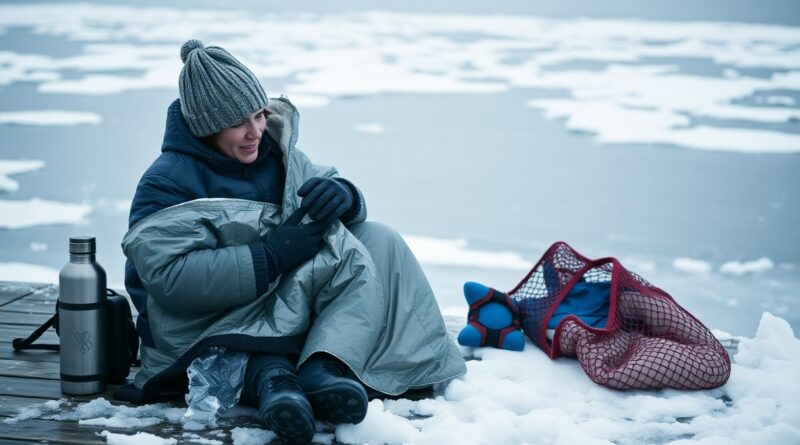
How to dress after winter swimming to avoid hypothermia
Over 30 minutes of improper post-swim dressing can lead to dangerous drops in core body temperature. After exiting icy water, immediately dry off, then layer clothing starting with thermal base layers, followed by insulated mid-layers, and a windproof outer shell. Wearing a hat is necessary-up to 50% of body heat escapes through the head. Keep movements minimal to conserve energy and warmth.
Key Takeaways:
- Dry off immediately after exiting the water-moisture on the skin accelerates heat loss, increasing the risk of hypothermia. Use a towel to wipe down thoroughly before putting on any clothing.
- Layer clothing using the “onion” principle: start with a warm hat and dry socks to protect extremities, then add insulating base layers, followed by thicker outer layers to trap body heat gradually.
- Avoid hot showers or baths right after swimming-rapid external warming can trigger afterdrop, a dangerous drop in core body temperature caused by cold blood returning from the extremities.
Understanding and Preventing the Afterdrop Phenomenon
Core body temperature can keep dropping for up to 30 minutes after you exit the water, a dangerous effect known as afterdrop. This happens because cold blood from your limbs circulates back to your core. To prevent it, begin warming immediately post-swim-use insulation, warm drinks, and gentle movement. Assume that you’re still at risk even once out of the water.
Factors contributing to the afterdrop effect
Several elements worsen afterdrop, including water temperature, swim duration, body fat percentage, and sudden physical activity post-exit. Cold water below 15°C (59°F) increases risk significantly. Peripheral vasoconstriction during the swim traps cold blood in extremities. When circulation resumes, that cold blood returns to the core. Assume that your body continues to cool internally even as you feel warmer externally.
- Water temperature below 15°C (59°F) intensifies afterdrop
- Swim duration over 10 minutes raises core cooling risk
- Low body fat reduces natural insulation
- Rapid movement after exiting accelerates cold blood return
- Wet skin and clothing prolong heat loss
How-to minimize core temperature decline
Act fast after exiting-your body’s core may still be cooling. Immediate, effective steps can halt afterdrop before it becomes dangerous. The key is managing circulation and restoring heat without triggering shock.
| Action | Effect on Afterdrop |
|---|---|
| Wrap in a warm robe or blanket immediately | Reduces heat loss through convection and radiation |
| Sip warm (not hot) drink | Helps raise internal temperature safely |
| Keep limbs horizontal | Slows cold blood return from extremities |
| Change into dry clothes quickly | Stops evaporative cooling from wet fabric |
| Perform gentle movement (e.g., shivering is good) | Generates heat without rushing circulation |
The Importance of Rapid Moisture Removal
Drying off immediately after exiting the icy water stops heat loss through evaporation, which can rapidly lower your body temperature. Wet skin accelerates cooling, even in mild air, making quick action crucial. Assume that every second counts when preventing hypothermia after winter swimming.
Tips for efficient and rapid drying
Use a large, absorbent towel or microfiber robe to blot moisture fast. Keep your dry clothes in a sealed bag to avoid dampness. Have a warm hat ready-much heat escapes from the head. Assume that preparation and speed directly impact your body’s ability to retain heat.
- Blot, don’t rub, to avoid skin irritation and improve absorption
- Keep your towel near the exit point for instant access
- Wear loose-fitting layers over dry undergarments for easy dressing
How-to manage the drying sequence for maximum warmth
Start by drying your head and torso first-these areas lose heat fastest. Then move to limbs, wrapping each in dry fabric immediately. Assume that core warmth preservation is the top priority in your drying routine.
Drying your head and upper body first protects your core temperature, which is crucial for preventing hypothermia. Blood flow to extremities decreases in cold stress, so maintaining trunk warmth supports circulation. By focusing on the torso, neck, and head before limbs, you align with your body’s natural thermoregulation needs and significantly reduce the risk of rapid cooling.
Prioritizing Heat Retention for the Head and Feet
Start by warming your head and feet immediately after exiting the water, as these areas are critical for stabilizing core temperature. Blood flow to extremities drops during cold exposure, and rapid rewarming here supports circulation recovery. Use dry, insulated layers right away-your body can lose up to 50% of its heat through an uncovered head in cold conditions. Assume that fast action on these zones prevents dangerous drops in body temperature.
How-to select the best insulating headwear
Choose headwear that fully covers your ears and is made of wool or fleece, materials known for retaining warmth even when damp. A balaclava or thermal beanie works best in sub-10°C conditions. Ensure it fits snugly without restricting movement or hearing. Assume that proper insulation on your head drastically reduces heat loss and accelerates safe rewarming.
Factors in choosing effective footwear for rewarming
- Dry material like wool socks (avoid cotton-it traps moisture)
- Insulated boots or slippers with closed cells to trap heat
- Loose fit to encourage blood flow without constriction
- Waterproof outer layer if moving through wet environments post-swim
Wet feet delay core temperature recovery and increase hypothermia risk. Insulated, dry footwear promotes circulation and protects against continued heat loss. Assume that rewarming begins the moment your feet are covered in proper gear.
Effective footwear does more than keep your feet warm-it actively contributes to systemic recovery. Thermal socks made of merino wool, such as those from Icebreaker or Smartwool, provide high breathability and retain heat even at 90% humidity. Pair them with closed-cell foam slippers or neoprene booties, which resist water absorption and maintain insulation. Poor choices, like thin cotton socks or damp shoes, prolong cold stress and hinder recovery. Assume that every minute in improper footwear delays your body’s return to a safe thermal state.
Implementing the Onion Principle of Layering
Strategic use of the “onion” principle, which involves layering clothing in a specific order to trap heat and provide insulation against the cold, is important after winter swimming. By dressing in multiple layers, you create pockets of warm air that protect your core temperature. Learn more with these 5 Hacks to Stay Warm After Swim in the Winter.
Tips for applying the onion layering technique
Start with a moisture-wicking base layer to keep your skin dry, then add an insulating mid-layer like fleece or wool. Top it off with a windproof and water-resistant outer shell. Avoid cotton-it holds moisture and increases hypothermia risk. After exiting the water, dress quickly in a sheltered area.
- Moisture-wicking base layer
- Insulating mid-layer (fleece or wool)
- Windproof and water-resistant outer layer
- Dress fast in a sheltered spot
- Avoid cotton at all costs
How-to stack layers for optimal thermal efficiency
Each layer must serve a distinct function to maximize warmth and drying. The base layer pulls moisture away, the middle layer retains heat, and the outer layer shields from wind and wet conditions. After your swim, ensure no gaps in coverage-especially around the neck and wrists.
Proper stacking begins with a snug, synthetic or merino wool base that doesn’t hold water. Add a thick fleece or down jacket as your insulating layer to trap body heat effectively. Finish with a breathable yet sealed outer shell that blocks wind without causing overheating. After securing all layers, monitor your extremities for signs of lingering cold.
Safety Warnings Regarding Immediate Heat Sources
Jumping into a hot shower right after winter swimming can disrupt your body’s ability to regulate temperature and cause dangerous shifts in blood flow. Your blood vessels are constricted from the cold, and sudden heat forces them to dilate too quickly, increasing the risk of dizziness or fainting. This can lead to serious injury, especially in slippery environments. This is why avoiding immediate hot water exposure is important for safe recovery.
Factors that make immediate hot water dangerous
- Rapid vasodilation from heat can cause a sudden drop in blood pressure
- Core temperature misregulation may trigger afterdrop, where cold blood from extremities floods the core
- Increased risk of fainting due to compromised circulation to the brain
- Shower surfaces heighten fall hazards if dizziness occurs
Exposure to hot water too soon amplifies physiological stress when your body is already vulnerable. This dramatically increases the chance of medical complications during post-swim recovery.
Tips for gradual and safe body rewarming
- Wrap yourself in a wool blanket or fleece robe immediately after exiting the water
- Put on insulated layers, especially on the head, neck, and torso
- Sip a warm (not hot) drink like herbal tea to gently raise internal temperature
- Allow at least 15-20 minutes of passive warming before considering a lukewarm shower
Gradual rewarming supports natural circulation and prevents shock to your system. This reduces the risk of afterdrop and stabilizes your core temperature safely.
Allowing your body to reheat slowly helps maintain steady cardiovascular function and prevents the pooling of cold blood in your extremities. Wearing thermal base layers, using chemical hand warmers on the chest or neck, and staying seated during initial recovery supports circulation. Avoid alcohol, which can impair temperature perception and worsen heat loss. This methodical approach ensures your body regains balance without strain.
Final Words
Drawing together the onion principle, you must layer clothing to trap heat and remove wet items immediately after exiting the water. Dry your body fast, focusing on warming your head and feet first-this counters afterdrop, the dangerous core temperature drop post-swim. For full guidance on what to wear cold water swimming, visit What to wear cold water swimming.
FAQ
Q: What is the first thing I should do immediately after getting out of winter swimming?
A: Get out of the wet swimsuit as quickly as possible. Standing water on your skin pulls heat away from your body fast. Have a towel ready to dry off thoroughly, especially your hair, arms, and legs. The goal is to minimize evaporative cooling, which can rapidly lower your core temperature even after exiting the water.
Q: Why is it important to warm the head and feet first after cold water immersion?
A: Your body prioritizes warming vital organs during cold exposure, often redirecting blood away from extremities. Warming the head and feet early helps restore circulation safely. A warm hat retains heat lost through the scalp, and dry socks and warm footwear prevent further heat loss from the feet, which are especially vulnerable after swimming.
Q: What does the “onion” principle mean when dressing after winter swimming?
A: The “onion” principle means layering clothing in stages to trap warm air and adjust to changing body temperature. Start with a base layer of thermal, moisture-wicking material, add an insulating middle layer like fleece or wool, and finish with a windproof and waterproof outer layer. This system allows you to regulate warmth without overheating or sweating excessively.
Q: Why should I avoid taking a hot shower right after winter swimming?
A: A hot shower can trigger afterdrop, a dangerous drop in core body temperature that happens when cold blood from the extremities circulates back to the core after you warm the skin too quickly. This sudden shift can lead to dizziness, nausea, or even loss of consciousness. Instead, warm up gradually using layers, warm (not scalding) drinks, and dry insulation.
Q: How long should I continue warming up after changing into dry clothes?
A: Continue warming for at least 30 to 60 minutes after getting dressed. Your core temperature can keep falling for up to 30 minutes after exiting the water due to afterdrop. Sit in a sheltered area, wrap yourself in a blanket or space blanket, and sip warm fluids like tea or broth. Monitor for shivering, which is a sign your body is still trying to generate heat.
