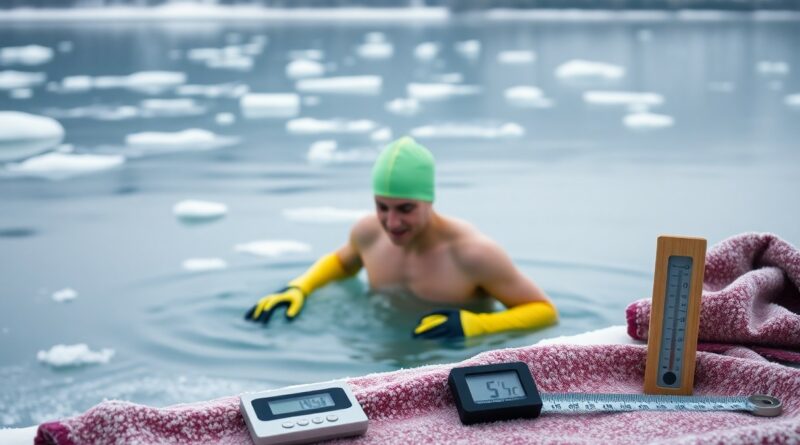
Winter swimming and weight loss – does ice-cold water burn calories?
Just stepping into ice-cold water forces your body to work harder to maintain its core temperature, triggering shivering thermogenesis, which can increase calorie burn by up to 350% compared to resting levels. While winter swimming may boost metabolism temporarily, sustained weight loss requires consistent energy deficits. Exposure to cold carries serious risks like hypothermia and cardiac stress, especially for unacclimatized individuals.
Key Takeaways:
- Winter swimming triggers thermogenesis, a process where the body burns calories to generate heat, primarily through activation of brown adipose tissue, which is more metabolically active than white fat.
- While cold exposure can increase calorie expenditure, the actual number of calories burned during a typical winter swim is modest and unlikely to lead to significant weight loss without accompanying diet and exercise changes.
- Repeated cold exposure may improve metabolic health over time by increasing brown fat activity, but it should be viewed as a complementary practice rather than a standalone weight-loss solution.

The Price of the Ice
Your body burns calories in cold water, but not as many as you might think. A 2014 study by the University of Portsmouth found that 50 minutes of immersion in 20°C water burned about 130 calories-similar to walking. The real driver is thermogenesis, where your body generates heat to maintain core temperature, primarily through shivering and brown fat activation.
The shivering response
Shivering isn’t just a reflex-it’s your body’s emergency heater. When immersed in cold water, your muscles contract rapidly, increasing metabolic rate by up to five times. This involuntary response can burn significant calories in a short time, but it’s exhausting and not sustainable for long durations.
Energy for heat
Brown adipose tissue (BAT) plays a key role in non-shivering thermogenesis. Found in the neck and upper chest, BAT activates in cold exposure, burning glucose and fat to produce heat. Studies show that just 50 grams of BAT can generate 300 kilocalories of heat per day when fully stimulated.
Unlike white fat, which stores energy, brown fat consumes it to maintain body temperature. Research from the University of Maastricht demonstrated that cold-acclimated individuals can increase BAT activity significantly, enhancing calorie expenditure even at rest. This adaptation means regular winter swimmers may burn more energy over time without shivering, turning their bodies into more efficient heat-producing machines.
The Brown Fat
Brown adipose tissue activates when you’re exposed to cold, generating heat to maintain your core temperature. This specialized fat burns calories directly, unlike white fat that stores energy. You have more of this tissue than you think-especially around your neck and shoulders. Learn more about how this process connects to Does Cold Water Swimming Burn Calories?
Internal fire
Your body treats brown fat like a personal heater. When you enter icy water, this tissue ignites thermogenesis, rapidly burning stored energy to produce warmth. This natural response can spike your metabolism for hours, turning your body into a calorie-burning machine without conscious effort. The effect is strongest in cold-adapted individuals.
Energy conversion
Brown fat converts chemical energy directly into heat through uncoupling protein 1 (UCP1) in mitochondria. This process bypasses ATP production, wasting energy as warmth. You burn calories more efficiently during cold exposure because of this unique biological shortcut. The shift is measurable within minutes of immersion.
Unlike normal metabolism, which stores energy, brown fat deliberately wastes it to keep you warm. Studies show that just 50 grams of active brown fat can burn up to 300 kilocalories daily when fully stimulated. This means your body can torch significant energy without movement. Repeated winter swims may increase both the amount and responsiveness of your brown adipose tissue over time.
The Body’s Change
Exposure to cold triggers profound physiological adaptations, reshaping how your body generates and conserves heat. When immersed in ice-cold water, your system activates survival mechanisms that go beyond shivering, initiating long-term shifts in energy use.
Metabolic shifts
Your metabolism accelerates in cold water as the body fights to maintain core temperature. Research shows that shivering alone can increase metabolic rate by up to 500%, burning significantly more calories than at rest. This thermogenic response is not just short-lived-repeated cold exposure may stimulate brown fat activity, a type of fat tissue that burns energy to produce heat.
The data
A 2014 study published in the *Journal of Clinical Investigation* found that six hours of daily cold exposure at 15°C (59°F) for 10 days increased participants’ brown fat volume by 45% and boosted calorie burning by 1.8-fold. Scientists like Dr. Paul Lee from the Garvan Institute demonstrated that cold exposure activates thermogenesis through brown adipose tissue, turning the body into a more efficient calorie-burning machine.
That same study revealed individuals burned an additional 250 kcal per day during cold exposure, primarily due to activated brown fat. Dr. Lee’s work highlights a powerful link between consistent cold exposure and sustained metabolic enhancement-meaning your body continues to burn more calories even after leaving the water. This effect is strongest with regular exposure, suggesting winter swimmers may experience lasting metabolic benefits.
The Honest Measure
Science shows winter swimming increases calorie burn through shivering thermogenesis, but the effect varies by individual and exposure time. Cold exposure may boost metabolism temporarily, yet it’s not a standalone weight-loss solution. For deeper insights, Taking the plunge: does cold water swimming have health … reviews peer-reviewed findings on physiological responses, including a 2021 study showing up to a 400% metabolic increase during cold immersion.
True limits
Your body adapts to cold over time, reducing shivering and calorie expenditure. Research indicates that after repeated exposure, such as in winter swimmers over 20 consecutive days, metabolic spikes decline significantly. This adaptation means initial calorie burn won’t last, limiting long-term weight-loss benefits from cold alone.
No false hope
You won’t lose weight just by swimming in ice-cold water without controlling diet and activity. Studies confirm that while cold exposure activates brown fat and raises energy use, the total daily calorie burn increase is modest-often less than 100 extra calories. It’s not a shortcut, and expectations must align with evidence.
Believing winter swimming alone reshapes your body ignores the reality of energy balance. Even with activated brown adipose tissue, as seen in a 2014 University of Cambridge study, the actual caloric impact remains small. Sustainable weight loss still depends on consistent effort, not cold exposure miracles. Relying solely on icy dips risks disappointment and diverts focus from proven methods.
Conclusion
Following this evidence, winter swimming may contribute to calorie burning through activation of brown adipose tissue and increased metabolic rate in cold exposure. You experience thermogenesis as your body works to maintain core temperature, potentially supporting weight loss over time. For detailed research, see the Effects of exercise in cool water on body weight loss – PubMed.
FAQ
Q: Does swimming in cold water burn more calories than swimming in warm water?
A: Yes, swimming in cold water typically burns more calories than swimming in warmer conditions. The body works harder to maintain its core temperature when exposed to cold, increasing energy expenditure. This added demand comes from both the physical effort of swimming and the physiological response to cold, including shivering and activation of heat-producing processes. Studies suggest the increase can range from 10% to over 30% more calories burned, depending on water temperature, duration, and individual physiology.
Q: What is brown adipose tissue, and how does it relate to winter swimming and calorie burning?
A: Brown adipose tissue (BAT) is a type of fat that generates heat by burning calories, especially in response to cold exposure. Unlike white fat, which stores energy, brown fat is metabolically active and helps regulate body temperature. Winter swimming can stimulate BAT activity, particularly in people regularly exposed to cold. Research shows that individuals with higher BAT levels may burn extra calories during and after cold exposure, though the overall contribution to weight loss is modest and varies widely between individuals.
Q: Can winter swimming alone lead to significant weight loss?
A: Winter swimming alone is unlikely to lead to significant weight loss. While cold exposure increases calorie expenditure, the actual number of additional calories burned during a typical winter swim-usually between 10 to 30 minutes-is relatively small compared to daily energy intake. For example, a 15-minute swim in icy water might burn an extra 50 to 150 calories beyond what the same swim in warm water would burn. Sustainable weight loss requires a consistent calorie deficit, best achieved through a combination of diet, regular physical activity, and lifestyle habits, not cold exposure alone.
Q: Does the body adapt to cold over time, and does that affect calorie burning?
A: Yes, the body adapts to repeated cold exposure through a process called cold acclimatization. With regular winter swimming, shivering decreases, and the body becomes more efficient at producing heat-often through increased brown fat activity and improved blood flow to extremities. While this adaptation enhances comfort and safety in cold water, it may reduce the number of extra calories burned over time. Someone new to winter swimming might burn more calories per session initially due to intense shivering, while a seasoned swimmer may burn less as their body adapts.
Q: Are there risks to winter swimming that outweigh potential metabolic benefits?
A: Yes, winter swimming carries risks that should be carefully weighed against its metabolic effects. Sudden immersion in cold water can trigger cold shock, leading to gasping, hyperventilation, and even cardiac events, especially in people with underlying health conditions. Prolonged exposure increases the risk of hypothermia. While some individuals may experience a slight boost in metabolism, the potential dangers-particularly without proper preparation, supervision, and gradual acclimation-are significant. For most people seeking weight loss, safer forms of exercise and dietary changes offer more reliable and sustainable results.
