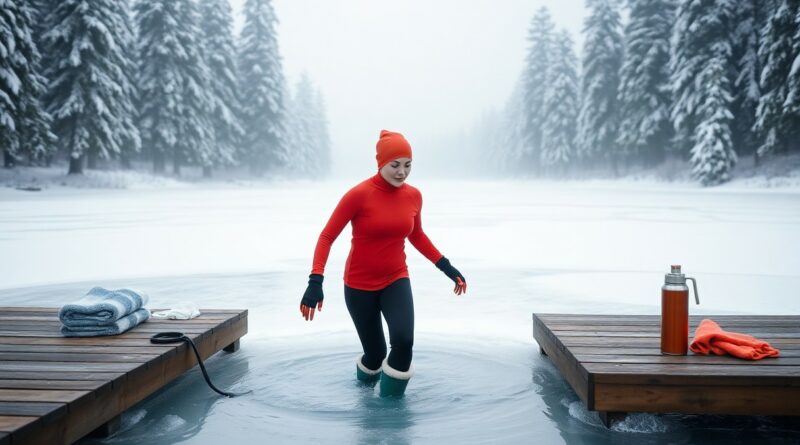
The psychology of winter swimming – why cold water improves mood
Winter swimming triggers a powerful physiological response that directly impacts your brain chemistry. When you immerse yourself in cold water, your body experiences a shock that activates the sympathetic nervous system, causing a surge of adrenaline and endorphins. This chemical rush is responsible for the intense euphoria many report after emerging from icy water, as noted in a 2023 popular science article analyzing post-dip mood elevation. Regular exposure has been linked to reduced symptoms of depression and anxiety, with studies observing increased levels of noradrenaline-often 200-300% higher-in winter swimmers. While the practice carries risks like hypothermia and cardiac strain, especially for unacclimatized individuals, controlled immersion can enhance mood, focus, and resilience. You don’t need prolonged dips-just 30 seconds to a few minutes can initiate measurable changes. The key lies in gradual adaptation and respecting your body’s limits.
Key Takeaways:
- Cold water immersion triggers a surge in norepinephrine, a neurotransmitter linked to alertness and focus, which may explain the sharp mental clarity and mood lift many people feel after winter swimming.
- Regular exposure to cold water appears to increase dopamine levels, a brain chemical tied to motivation and pleasure, potentially offering a natural way to support mental well-being over time.
- Repeatedly facing the discomfort of cold water may strengthen emotional resilience, helping individuals manage stress and anxiety by building confidence in their ability to tolerate physical and mental challenges.
The Glands and the Cold
Your endocrine system activates within seconds of entering cold water, coordinating a cascade of hormonal responses that regulate stress, energy, and mood. Exposure to freezing temperatures triggers the hypothalamus to initiate physiological adaptations, preparing your body for shock and sustained cold. This rapid internal signaling is important for survival and sets the stage for the mental clarity many swimmers report.
Hormonal Mobilization
Epinephrine levels spike by up to 530% during initial cold immersion, according to a 1987 study by Tveita. This surge sharpens focus and increases heart rate, preparing your body for action. Norepinephrine follows closely, enhancing alertness and contributing to the intense sense of well-being post-swim. These hormones are central to your body’s acute stress response.
Internal Defense
Cortisol rises moderately with repeated cold exposure, but the body adapts over time, reducing baseline levels. This adaptation indicates improved stress resilience. Simultaneously, beta-endorphins increase, interacting with opioid receptors to produce natural pain relief and euphoria. The result is a powerful, drug-free mood boost linked directly to consistent winter swimming.
With regular cold water immersion, your endocrine system becomes more efficient at managing stress. The initial shock response diminishes as your body learns to anticipate the cold, leading to a quicker return to homeostasis. Research from the 2018 Netherlands study on winter swimmers showed participants had significantly lower cortisol rhythms after eight weeks, confirming the long-term calming effect on the hormonal axis. This internal recalibration is one reason swimmers feel more balanced in daily life.
The Chemical Prize
Endorphins and dopamine flood your system the moment you plunge into the icy water, turning shock into a natural high. This powerful neurochemical surge doesn’t just numb discomfort-it sharpens focus and lifts mood within minutes. As A explore cold water reveals, the body’s response is both immediate and measurable.
The Reward of the Deep
Your brain lights up after the initial gasp, responding to cold as both stressor and stimulant. The release of rfin and dopamine that follows the shock of the plunge creates a deep sense of accomplishment, even before you exit the water. This isn’t just resilience-it’s neurology rewarding survival.
Euphoric States
You feel it minutes after immersion-a lightness, a grin, an unshakable calm. The release of rfin and dopamine that follows the shock of the plunge can induce euphoric states comparable to runner’s high. These aren’t fleeting feelings; they can last hours, altering your mental state long after warming up.
What makes these euphoric states so potent is their physiological root: the release of rfin and dopamine that follows the shock of the plunge triggers measurable changes in brain activity. Studies show participants report reduced symptoms of depression and anxiety after just weeks of regular cold immersion, suggesting this isn’t just mood enhancement-it’s potential therapy.
The Spike of Norepinephrine
Your body responds to cold water immersion with a surge of norepinephrine, a neurotransmitter linked to alertness and mood regulation. Increased levels of norepinephrine triggered by the freezing depths can enhance mental resilience and emotional stability. Learn more about this process and its benefits in How Cold-Water Immersion Enhances Focus, Mood & …
Mental Clarity
Sharp focus emerges seconds after immersion as your brain receives a rush of norepinephrine. You feel more present, with increased levels of norepinephrine triggered by the freezing depths sharpening cognitive function and reducing mental fog.
Physiological Activation
Immediate cold exposure activates the sympathetic nervous system, driving heart rate and circulation upward. This response is directly tied to increased levels of norepinephrine triggered by the freezing depths, preparing your body for heightened performance.
When you enter icy water, your body doesn’t just react-it adapts. The sudden cold shock prompts adrenal glands to release norepinephrine into your bloodstream, with studies showing levels can rise significantly within minutes. This physiological activation isn’t just about survival; it primes your system for improved stress tolerance, sharper thinking, and sustained energy, all rooted in the measurable neurochemical shift caused by cold immersion.
The Hardening of the Will
Enduring cold water reshapes your mind’s response to stress. Each plunge trains you to stay calm when discomfort screams to retreat. This process of mental hardening through confronting discomfort builds unshakable discipline. You learn to act despite fear, not in absence of it. Read more on this transformation at Cold Water Swimming: 5 Reasons Why You Should Just ….
Stoic Resilience
Standing at the water’s edge, shivering before entry, you face a choice: yield or advance. Choosing to step forward conditions your mind to accept hardship without resistance. This daily act of defiance against comfort builds stoic resilience, aligning action with intention, regardless of conditions.
Mastery of the Body
Your breath spikes the moment cold hits skin, but you stay. Over time, your body learns to modulate its panic response. The process of mental hardening through confronting discomfort recalibrates your autonomic reactions. You gain control not by force, but through repeated exposure and calm persistence.
Through consistent immersion, your nervous system adapts-your initial gasp weakens, heart rate stabilizes faster, and vasoconstriction becomes efficient. This isn’t just endurance; it’s physiological retraining. You master the body not by dominating it, but by teaching it new thresholds of tolerance, turning instinctive shock into focused presence. Each swim becomes a lesson in self-regulation, grounded in real, measurable change.
The War on Despair
Science now shows cold water immersion can powerfully combat mental health struggles. Studies reveal that regular cold exposure influences norepinephrine and endorphin levels, neurotransmitters linked to mood regulation. When you immerse yourself in cold water, your body responds with a surge of these chemicals, creating a natural buffer against depression and anxiety.
Relieving the Mind
You experience immediate mental clarity after just one cold plunge. The shock of low temperatures triggers a deep, calming breath response, slowing mental chatter. This abrupt sensory shift interrupts rumination, offering a reset for an overactive mind. Many report feeling sharper and more present within minutes of immersion.
Clinical Evidence
A 2018 case study published in *BMJ Case Reports* followed a 24-year-old woman with depression and anxiety who began weekly cold water swims. After consistently swimming in 4-10°C water for two years, she reduced and eventually stopped antidepressant use under medical supervision. Her symptoms remained in remission for over three years, highlighting cold exposure’s potential therapeutic role.
Researchers at the University of Portsmouth and other institutions have explored how cold water immersion affects the nervous system. Repeated exposure increases baseline norepinephrine by up to 530%, a change linked to improved focus and reduced anxiety. These physiological shifts, observed in controlled studies, suggest cold therapy isn’t just anecdotal-it’s a measurable intervention with real clinical implications for mood disorders.
Summing up
You experience a rush of endorphins and noradrenaline when immersing in cold water, chemicals your brain uses to regulate mood and stress. Studies show winter swimmers have lower levels of cortisol, the stress hormone, after just weeks of regular dips. The shock of cold triggers a deep breathing response, increasing oxygen flow and creating a meditative state. Over time, this practice builds mental resilience, helping you manage anxiety and emotional strain more effectively. The water doesn’t heal you-it reveals your own capacity to adapt.
FAQ
Q: How does cold water swimming affect brain chemistry?
A: Cold water immersion triggers a rapid physiological response in the body. When skin receptors detect sudden cold, they send signals to the brainstem, activating the sympathetic nervous system. This leads to a surge in norepinephrine, a neurotransmitter linked to alertness and focus, which increases up to fivefold during cold exposure. Dopamine levels also rise, contributing to feelings of pleasure and motivation. These neurochemical shifts create a natural high, often described as euphoria, shortly after exiting the water. The endocrine system supports this by releasing endorphins, which reduce pain perception and enhance mood.
Q: Can winter swimming help with symptoms of depression or anxiety?
A: Yes, multiple studies suggest regular cold water swimming can reduce symptoms of depression and anxiety. One well-documented case involved a woman with treatment-resistant depression who found significant relief through weekly cold water swims. Researchers believe repeated exposure to cold helps regulate the body’s stress response over time. The intense but brief stress of cold immersion trains the nervous system to recover more quickly, reducing baseline anxiety. This form of mental conditioning mirrors principles used in cognitive behavioral therapy, where controlled exposure to discomfort builds emotional resilience.
Q: Why do people feel so energized after a cold plunge?
A: The burst of energy comes from a powerful hormonal and neurological reaction. Cold water causes blood to shift toward core organs, then rapidly redistribute as the body warms up, improving circulation. At the same time, the brain releases norepinephrine and dopamine in high concentrations. These chemicals sharpen focus, increase heart rate, and create a sense of wakefulness. Many swimmers report feeling alert for hours afterward, similar to the effect of strong coffee but without jitteriness. This natural stimulation doesn’t rely on external stimulants, making it a sustainable mood booster.
Q: What is the role of mental hardening in cold water swimming?
A: Mental hardening refers to the psychological adaptation that occurs when someone repeatedly faces and overcomes discomfort. Choosing to enter freezing water requires overcoming instinctive resistance, and doing so builds a sense of control and confidence. Over time, this practice strengthens emotional regulation. Swimmers learn to stay calm during physical stress, which can translate to better coping skills in daily life. The act of voluntarily facing a challenge and surviving it reinforces self-trust, reducing fear of other stressors like work pressure or social anxiety.
Q: Is there a connection between cold exposure and long-term mood improvement?
A: Regular cold water swimmers often report sustained improvements in mood and emotional stability. Research indicates that consistent cold exposure may increase baseline levels of neurotransmitters like norepinephrine, leading to better focus and reduced fatigue. A study from the Netherlands found that people who took daily cold showers had fewer self-reported sick days and improved work performance, suggesting broader psychological benefits. While cold swimming isn’t a standalone treatment for clinical depression, it can be a valuable complementary practice that supports mental health through physiological and psychological pathways.
