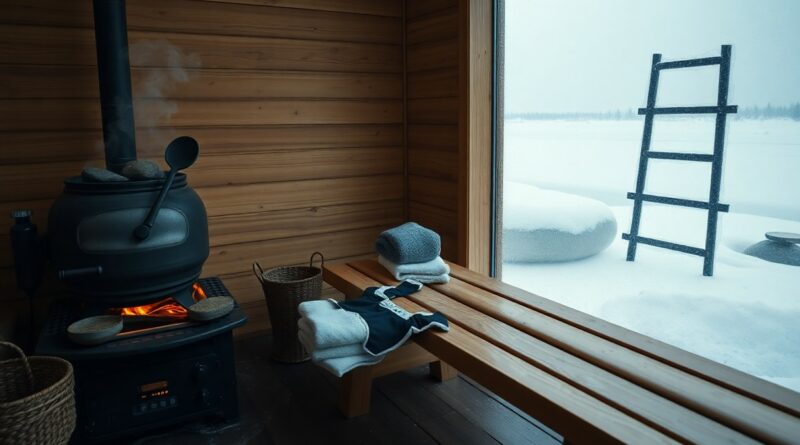
Sauna After Winter Swimming – The Perfect Combination or Unnecessary Luxury
You step out of the freezing water, your skin tingling and your heart racing, continuing a Scandinavian tradition that pairs winter swimming with sauna heat. This practice, deeply rooted in Nordic culture, alternates extreme cold exposure with intense dry heat, triggering rapid physiological responses. While some embrace it for enhanced circulation and mental resilience, others question if the sauna is truly necessary-or if it risks overstressing the cardiovascular system.
Key Takeaways:
- Alternating between winter swimming and sauna use creates thermal contrast, which may improve circulation and support recovery by stimulating blood flow and reducing muscle soreness.
- The recommended sequence is to swim first, then enter the sauna, allowing the body to warm up gradually after cold exposure and minimizing strain on the heart.
- While the combination can be invigorating, people with cardiovascular conditions should proceed with caution, as rapid temperature shifts may pose risks to heart health.
The Virtue of Contrast
Exposing your body to alternating cold and heat triggers powerful physiological responses. Thermal contrast from winter swimming followed by sauna bathing increases circulation, reduces inflammation, and boosts endorphins. According to The Health Benefits of Sauna Bathing, regular sauna use can improve cardiovascular function and support recovery-effects amplified when paired with cold immersion.
The sting of the cold
Cold water immersion immediately constricts blood vessels, sharpening your focus and triggering a surge of adrenaline. You feel the shock-but also a profound alertness as your body fights to maintain core temperature. This response primes your circulatory and nervous systems for the next phase: heat.
The recovery of heat
Sauna heat slowly dilates blood vessels, restoring blood flow and flushing metabolic waste. Your muscles relax, and the contrast-induced circulation boost enhances recovery. This phase isn’t just comfort-it’s active healing driven by thermal cycling.
During the recovery of heat, your core temperature gradually rises, prompting sustained vasodilation that improves oxygen delivery to tissues stressed by cold exposure. The shift from vasoconstriction to vasodilation creates a “pumping” effect in your circulatory system, which studies suggest may reduce muscle soreness and support immune function. This stage is where the body begins to repair and rebalance, making the sauna far more than a luxury-it’s a key part of the cycle.
The Order of the Ritual
Sequence matters when combining sauna and winter swimming, and science supports a specific flow. You should always take the sauna after the cold dip, not before. Heating your body first increases the shock of sudden cold, raising the risk of cardiac stress. The safest, most effective routine is cold first, then heat-this allows your body to gradually transition from intense cold to controlled warmth, supporting circulation and recovery.
Finding the right timing
You should wait at least 5-10 minutes after emerging from the icy water before entering the sauna. This gives your body time to begin rewarming naturally and reduces the strain on your cardiovascular system. Jumping into high heat too soon can cause dangerous blood pressure shifts, so patience is key. Let your shivering subside slightly before seeking the sauna’s glow.
The cycle of the dip
Repetition enhances the ritual: a single round of cold plunge followed by sauna is effective, but many practitioners repeat the cycle 2-3 times. Each round deepens the body’s adaptation, improving circulation and resilience. The most experienced winter swimmers at Finland’s Lauttasaari Swimming Stadium often complete three full cycles, always maintaining the cold-first, heat-after order.
Repeating the cycle of dip and sauna trains your body to handle thermal stress more efficiently. With each round, your vasoconstriction and vasodilation responses become sharper, boosting cardiovascular fitness over time. Regular practitioners report increased energy, better mood, and stronger immunity. Just ensure you stay hydrated and never push beyond comfort-your body will tell you when to stop.
Final Words
To wrap up, alternating between sauna and winter swimming is a time-honored practice rooted in Nordic and Slavic wellness traditions, where heat exposure followed by cold immersion supports circulation, resilience, and mental clarity. You experience real physiological benefits through controlled thermal contrast. Learn more about the Benefits of Combining Sauna Sessions with Cold Dips.
FAQ
Q: Why do people combine sauna sessions with winter swimming?
A: This practice is deeply rooted in Nordic cultures, where alternating between extreme heat and cold is part of daily wellness routines. The body experiences a rapid shift in temperature-first warming deeply in the sauna, then cooling quickly in icy water. This contrast stimulates blood circulation, may boost the immune system, and is often described as mentally refreshing. Many participants say the ritual creates a sense of clarity and resilience, turning a physical challenge into a mindful experience.
Q: Should you take a sauna before or after winter swimming?
A: The traditional and safest approach is to swim first, then enter the sauna. Jumping into cold water raises the heart rate and constricts blood vessels. Following that with a sauna allows the body to warm gradually, easing the transition. Going into the sauna first can overheat the body, and then plunging into freezing water may place excessive strain on the heart and blood vessels. Starting with the cold dip and ending with heat supports a smoother physiological recovery.
Q: What are the health benefits of alternating between sauna and cold water?
A: The repeated shift between heat and cold triggers a natural response in the circulatory system. Blood vessels expand in the sauna and contract in the cold, which can improve vascular function over time. Some studies suggest this routine may reduce muscle soreness, support recovery after physical activity, and increase alertness. Regular exposure to controlled thermal stress might also strengthen the body’s ability to regulate temperature and adapt to environmental changes.
Q: Are there any risks involved in combining sauna and winter swimming?
A: Yes, this practice is not safe for everyone. People with heart conditions, high blood pressure, or circulatory issues should avoid it unless cleared by a doctor. The sudden changes in body temperature can cause spikes in blood pressure or irregular heart rhythms. Alcohol use before or during the routine increases the danger. Dizziness, fainting, or hypothermia can occur if someone stays too long in the cold or overheats in the sauna. Listening to your body and knowing your limits is necessary.
Q: How long should each part of the cycle last?
A: A typical winter swim lasts between 10 seconds and 2 minutes-long enough to feel the shock of cold but not long enough to risk hypothermia. After swimming, spend 10 to 15 minutes in the sauna to warm up slowly. Avoid staying in too long; excessive heat can dehydrate you or cause fatigue. Most people repeat the cycle no more than two or three times in one session. Resting between rounds and drinking water helps the body recover and stay balanced.
