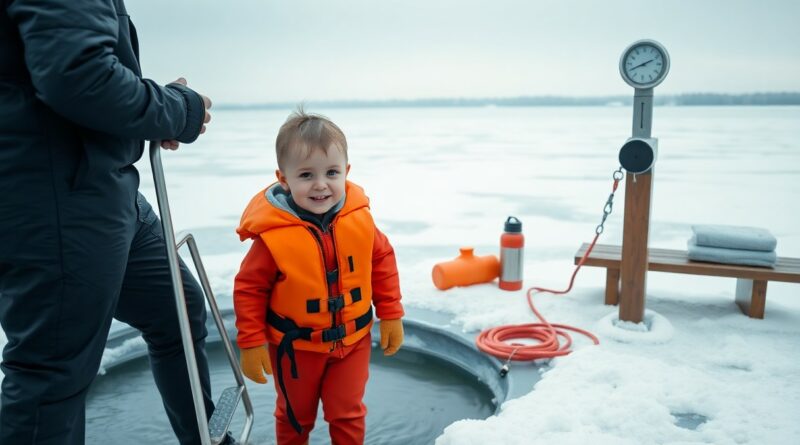
Winter Swimming with Children – What Age Can You Start?
Just because your child loves the pool doesn’t mean they’re ready for icy waters. Winter swimming with children requires careful consideration of health, safety, and psychological readiness. Most experts suggest waiting until age 5 or older, when kids can better regulate body temperature and follow safety instructions. Always consult a pediatrician and begin with short, supervised dips in water above 15°C (59°F).
Key Takeaways:
- Most pediatricians suggest waiting until a child is at least 4 years old before attempting winter swimming, as younger children lose body heat more quickly and are at higher risk of hypothermia.
- Short, supervised dips of 30 seconds to 1 minute are recommended for children, with immediate access to warm clothing and a hot drink afterward to support safe recovery.
- Emotional readiness matters as much as physical readiness-children should show curiosity and willingness, not be pressured, and many families find support through local winter swimming clubs that welcome kids.
Consulting Professionals and Age Factors
Always seek pediatrician recommendations before introducing your child to cold water immersion, as they help determine the safest starting age. Each child’s health and development vary, making professional guidance necessary.
- Medical clearance ensures your child is physically ready
- Age factors influence cold tolerance and safety
- Underlying conditions must be evaluated beforehand
After consulting a healthcare provider, you can proceed with confidence.
Seeking medical clearance for young swimmers
Your pediatrician must evaluate your child’s health before any cold water exposure. Conditions like asthma or heart issues can increase risks in low temperatures. Medical clearance protects your child from preventable harm. After confirming your child is healthy, you can explore safe winter swimming practices.
Age-appropriate physiological considerations
Children under 5 have less body fat and struggle to regulate temperature in cold water. Their smaller size increases heat loss, raising hypothermia risk. Age-appropriate supervision and short exposure times are imperative. After understanding these factors, you can make informed decisions.
Infants and toddlers lose body heat up to four times faster than adults due to their high surface-area-to-mass ratio. This makes cold water immersion especially risky before age 5. Young children may not recognize early signs of hypothermia, such as shivering or confusion. Their developing thermoregulatory systems simply aren’t equipped for prolonged cold exposure. After assessing these physiological realities, most pediatricians advise delaying structured cold water activities until later childhood.
Managing Immersion Times for Safety
Children require a significantly shorter immersion time than adults to maintain core temperature and safety. Even brief exposure can lead to rapid heat loss, so strict time limits are crucial. For more on safe winter swimming practices, see Reasons Why Winter is a GREAT Season to Keep Swimming.
Guidelines for duration in the water
Start with just 5 to 10 minutes in cold water for children, especially under age 6. Never exceed 15 minutes, even for older kids, as their bodies lose heat up to 50% faster than adults. Adjust time based on water temperature and wind chill.
Monitoring physical responses to cold
Your child’s body will signal when it’s time to exit. Shivering, pale skin, slurred speech, or lethargy are early signs of cold stress. Respond immediately-prolonged symptoms can lead to hypothermia, even in mild conditions.
Watch closely for subtle changes in behavior or coordination, as children may not verbalize discomfort. Shivering can stop once core temperature drops too low, making it a late-rather than early-warning. Stay vigilant, keep warm clothes ready, and always prioritize quick rewarming after exit.
Psychological Approaches and Encouragement
Building a child’s confidence in winter swimming starts with understanding that key psychological aspects involve learning how to encourage, not force, children to participate in the activity. Your role is to guide, not push, helping them associate cold water with curiosity rather than fear. Patience and emotional attunement create lasting positive experiences.
Fostering a positive mindset
Seeing winter swimming as an adventure helps your child develop resilience. You can shape their attitude by celebrating small steps, like dipping toes or watching others swim. Encourage, not force, children to participate in the activity-this builds trust and makes them more likely to return willingly.
Respecting the child’s comfort levels
Your child might hesitate at the water’s edge, and that’s completely normal. Key psychological aspects involve learning how to encourage, not force, children to participate in the activity. Letting them choose when and how to enter ensures they feel safe, heard, and in control of their experience.
When a child resists entering the water, it’s not defiance-it’s communication. Pushing them in undermines trust and can create lasting anxiety around water activities. The key psychological aspects involve learning how to encourage, not force, children to participate in the activity, emphasizing choice and emotional safety. Respecting hesitation isn’t indulgence; it’s foundational to healthy engagement. Children who feel heard are more likely to try the next time, often on their own terms. Your calm presence, without pressure, becomes the bridge between fear and participation.

Finding Community in Family Swimming Clubs
Examples of family winter swimming clubs provide structured environments for children to learn the practice. You benefit from expert guidance and safe onboarding processes designed for young bodies adapting to cold water. Explore the Top Benefits of Starting Swim Lessons Before Age 5 to understand early immersion advantages.
Benefits of organized family groups
Structured sessions in family winter swimming clubs ensure consistent routines that support gradual acclimatization. You gain access to age-appropriate safety protocols and trained supervisors who monitor each child’s response to cold exposure, making the experience both enjoyable and secure.
Shared learning and social support
Parents and children learn together through direct observation and group practices. You experience increased confidence as your child sees peers engaging safely, reducing anxiety around cold immersion and building trust in the process.
Being part of a group normalizes winter swimming as a family ritual rather than a solitary challenge. You pick up practical tips-like proper drying techniques and post-swim nutrition-from experienced members, while your child forms friendships rooted in shared resilience. This collective knowledge creates a supportive culture where safety and enjoyment go hand in hand.
Final Words
Upon reflecting, you can begin winter swimming with children as young as 4 years old, provided pediatrician-approved guidelines are followed. You need insulated wetsuits, neoprene boots, and close supervision. Family-oriented clubs like the Polar Bear Club in Helsinki offer structured programs that ease children into cold-water immersion safely and progressively.
FAQ
Q: What is the earliest age children can start winter swimming?
A: Most pediatricians suggest waiting until a child is at least 3 years old before attempting winter swimming. At this age, children typically have better temperature regulation and can communicate discomfort. Infants and toddlers lose body heat more quickly and are at higher risk of hypothermia. Always consult your child’s doctor before starting, especially if they have respiratory or heart conditions. Many families begin with brief dips in cold water during summer to build tolerance gradually.
Q: How long should a young child stay in cold water during winter swimming?
A: Children should spend only 10 to 30 seconds in icy water, even if they seem comfortable. Their smaller body mass means they cool down faster than adults. Watch for shivering, pale skin, or changes in behavior-these are signs to exit immediately. After the dip, wrap the child in warm, dry clothes right away and offer warm drinks. The goal is a safe, positive experience, not endurance.
Q: What gear do kids need for winter swimming?
A: Children need quick-drying towels, warm hats, insulated boots, and layered clothing made of wool or fleece. A neoprene wetsuit designed for cold-water activities helps protect their core. Avoid cotton, as it holds moisture and increases heat loss. Some parents use hooded toweling robes for easy post-swim wrapping. Keep a warm car or shelter nearby for immediate warming after the swim.
Q: How can I tell if my child is ready for winter swimming?
A: Look for signs of physical readiness, like comfort in cold showers or regular swimming in cooler pools. Emotional readiness matters just as much-your child should show curiosity, not fear, about the activity. Let them observe others first, dip a toe in, or splash at the edge. Never pressure them. If they say no, respect it. A positive first experience builds confidence for future attempts.
Q: Are there family-friendly winter swimming groups for children?
A: Yes, many cities with cold climates have family winter swimming clubs. Groups like the Polar Bear Club in Toronto or the Helsinki All-Season Swimmers in Finland welcome children and offer supervised events. These clubs often have safety protocols, warm-up areas, and experienced parents who share tips. Joining a group provides community support and makes the experience fun and social for kids.
