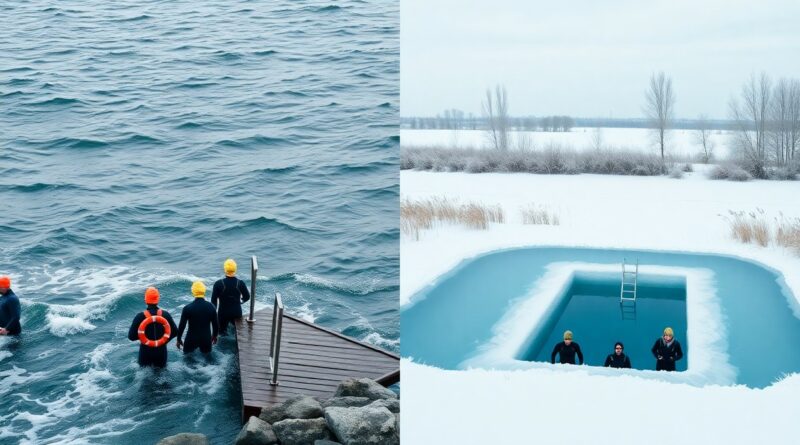
Winter swimming in the sea vs. in a lake – the main differences
Just stepping into winter water changes everything-your breath, your body, your focus. Swimming in the sea exposes you to saltwater, stronger currents, and slightly warmer temperatures due to salinity, while lakes offer colder, stiller, freshwater with fewer buoyancy benefits. The sea’s movement can help maintain body heat slightly longer, but unexpected waves or tides increase danger. Lakes often freeze over, requiring careful entry point checks. According to Ten More Common Myths of Cold Water Swimming, misconceptions about acclimatization can lead to risky decisions in both environments.
Key Takeaways:
- Seawater’s salinity provides greater buoyancy than lake water, making swimming easier and reducing physical strain, especially in cold conditions.
- Ocean temperatures near the Polish coast tend to be slightly milder than inland lakes in winter, but sea swimming often involves stronger waves and currents, increasing physical demands and safety considerations.
- Lake winter swimming sites in Poland usually have simpler, more rustic infrastructure, while coastal spots often offer better facilities, though both environments require awareness of local safety conditions and emergency access.
The Salt and the Fresh
Salinity is a primary difference that distinguishes the Baltic Sea from the inland lakes of Poland, directly shaping your experience when entering the water. The low but present salt content in the Baltic-averaging around 7-8‰ compared to 35‰ in the open ocean-affects buoyancy and skin sensation, while freshwater lakes offer no such resistance or sting.
The sting of the sea
When you enter the Baltic Sea, even its mildly 7-8‰ salinity can cause a sharp tingling on exposed skin, especially through cuts or chafed areas. This subtle sting, absent in freshwater, signals the presence of salt and can be surprisingly intense during winter, heightening your body’s awareness with immediate, sharp feedback.
The purity of the lake water
Freshwater lakes in Poland, like Lake Świętajno or Lake Wigry, offer a cleaner rinse with no salt residue. You’ll notice the absence of lingering stickiness on your skin, and while bacteria levels vary, many inland lakes are monitored under EU Bathing Water Directive standards, ensuring regular safety checks during peak seasons.
Unlike the Baltic Sea, where salinity influences microbial life, inland lakes depend heavily on runoff, forest cover, and seasonal algae blooms. Lake Drawsko, for example, is known for its depth and clearer waters due to lower nutrient inflow. Still, you should check local water quality reports-especially after heavy rains-since short-term contamination from agricultural runoff can occur without visible warning.
The Truth of the Thermometer
Temperature variations are significant when comparing the vast sea to smaller lake bodies, and your skin will feel the difference the moment you step in. Seawater typically stays colder but more stable due to its immense volume, while lakes respond quickly to air temperature shifts. You’ll often find that lake water can drop below freezing in winter, yet remain liquid just beneath the surface-until it doesn’t.
Thermal mass of the open water
Seawater’s immense volume gives it a far greater thermal mass than lakes, meaning it absorbs and retains heat more effectively. You’ll notice that even in deep winter, coastal waters like those in the North Sea rarely fall below 2°C. This stability protects you from sudden temperature shocks common in smaller bodies, making sea swims slightly more predictable when braving the cold.
The rapid freezing of the lake
Lakes lose heat quickly due to their limited volume and shallow depth. When cold snaps hit, surface temperatures can plunge below 0°C within hours, forming thin ice layers even mid-swim. You’re far more likely to encounter slush or sudden ice formation in lakes like Lake Superior or Windermere than in the open sea, where salt content lowers the freezing point to around -2°C.
Unlike seawater, freshwater lakes lack salt’s antifreeze effect, so they freeze more readily when exposed to subzero air. You might enter a lake at 1°C only to find it partially iced over 30 minutes later. This rapid change makes lake swimming especially dangerous without real-time monitoring, as conditions can turn hazardous faster than you expect-particularly in high-altitude or northern latitude lakes such as Lake Tahoe or Sweden’s Vänern.
The Mark of Man on the Shore
You’ll notice that infrastructure and facilities are more commonly found at the sea than at the lake, shaping how you access and experience each swim. Coastal areas often have planned entry points, signage, and safety measures, while lakes remain largely untouched by such development.
Coastal shelters and piers
Shelters and piers dot many sea swimming spots, especially along the UK’s southern coast, like at Weymouth Sea School or Brighton’s Palace Pier. These structures offer protection from wind and easier water access, making your winter dip safer and more comfortable even in harsh weather.
The wild edge of the lake
Lakes like Ullswater in the Lake District or Loch Lomond in Scotland offer no such built aids-just raw shoreline and silent woods. Your entry is unaided, often over slippery rocks or through frozen reeds, with no handrails, lighting, or emergency call points nearby.
When you approach the lake’s edge in winter, you’re met with silence and exposure. Unlike the sea’s developed access points, lakes rarely have maintained paths or safety infrastructure. At Loch Lomond, for example, you might park along a quiet road and walk 10 minutes through frost-covered trails to reach the water-entirely on your own, with no lifeguards, shelters, or marked zones. This solitude heightens the experience, but also the risk.
The Hazards of the Cold
Every winter swim carries risk, but the environment changes everything. In the sea, strong currents can appear without warning, while on lakes, the stability of the ice determines whether it’s safe to step onto the surface. You must assess conditions carefully each time, as both settings demand respect for nature’s unpredictability.
The pull of the Baltic tide
Water movement in the Baltic Sea can shift rapidly, even in calm weather. You face unpredictable currents that may pull you away from shore, especially near inlets or after sudden wind changes. Always enter slowly, stay close to land, and never underestimate how quickly conditions can turn dangerous.
The strength of the frozen surface
Ice thickness determines whether a lake is safe to stand on. You need at least 10-12 cm of clear, solid ice to support one person, but this varies with temperature, snow cover, and water flow underneath. Always test the surface with a spud bar or ice chisel before stepping out.
What lies beneath the ice matters just as much as what’s on top. Springs, inflows, and shifting temperatures weaken the frozen layer, especially near shorelines or over moving water. Even if the surface looks solid, hidden cracks or thin spots can give way without warning. Check the ice every few steps and avoid areas with slush or dark patches-they signal danger.
The Choice of the Brave
Every winter swimmer eventually faces a personal test: where do you find your edge? The specific features of each environment help a swimmer decide where they feel most comfortable, whether battling the open sea or gliding beneath a frozen lake’s still surface.
Seeking the challenge of the waves
Waves add a dynamic, unpredictable force to sea swimming, demanding constant adjustment. You confront stronger currents and shifting tides, especially along coastlines like Norway’s fjords or the North Sea, where winter swells can exceed 2 meters. This raw power tests your resilience with every stroke.
The preference for still water
Lakes offer a calmer, more controlled experience, ideal if you value focus over fury. The absence of waves allows you to concentrate on breath and immersion, especially in sheltered alpine lakes like Lake Bled or Finland’s frozen inland waters, where surface stillness enhances mental clarity.
Still water environments often have more stable entry and exit points, reducing physical risk. You can plan your dip with precision, knowing the temperature gradient changes less abruptly than in tidal zones. In lakes, the silence beneath the surface-sometimes under a layer of ice-creates a meditative contrast to the sea’s roar, appealing to those who seek introspection in the cold.
Conclusion
Presently, you face distinct conditions when choosing between sea and lake winter swimming. Seawater’s higher salinity increases buoyancy but accelerates heat loss, while lakes offer colder, calmer water with less salt. Sea environments often have waves and tides, demanding greater physical readiness, whereas lakes provide more predictable conditions. Coastal sites may include ladders and saunas, but remote lakes lack such infrastructure. Your safety depends on understanding these differences-temperature fluctuations, access points, and emergency support vary significantly between the two.
FAQ
Q: How does salinity affect winter swimming in the sea compared to a lake?
A: Seawater contains salt, typically around 3.5% salinity in the Baltic Sea, which increases buoyancy and makes swimmers float more easily. This can reduce physical strain during entry and exit, especially in icy conditions. Freshwater lakes have no salinity, so swimmers sink slightly lower, requiring more effort to stay afloat. The lack of salt also means skin may feel colder faster, as saltwater retains heat slightly better and forms a thin insulating layer on the skin. Swimmers with sensitive skin may notice less dryness after sea dips compared to lake swims, where freshwater can strip natural oils more aggressively.
Q: Are winter sea temperatures different from lake temperatures in Poland?
A: Sea temperatures in the Baltic during winter usually range from 0°C to 4°C, and they change slowly due to the large water volume and moderating effect of salt. Lakes, especially smaller ones, can cool down faster and sometimes reach slightly lower temperatures, especially if fully iced over. However, open-water lake spots used for winter swimming are often near springs or areas with water movement, which can keep temperatures similar to the sea. The perceived cold may differ-swimmers often report the sea feeling slightly less harsh initially due to buoyancy and salinity, even at comparable temperatures.
Q: How do waves and water movement differ between sea and lake winter swimming spots?
A: The Baltic Sea often has waves, wind-driven swells, and currents, even in winter. This adds physical challenge during entry and exit, especially on rocky or sloped shores. Swimmers must time their movements with wave patterns to avoid being knocked over. Lakes are generally calmer, with minimal wave action unless it’s very windy. This makes lake entries more predictable and safer for beginners. However, some winter swimmers prefer the dynamic nature of sea entries for the added adrenaline and physical engagement.
Q: What kind of infrastructure is typically available at sea versus lake winter swimming locations in Poland?
A: Popular sea spots like Łeba, Kołobrzeg, or Sopot have well-developed winter swimming infrastructure-wooden piers, changing cabins, saunas, showers, and sometimes cafes or first-aid points. These are often maintained by local clubs or municipalities. Lake swimming sites, especially in forested or rural areas, tend to be more basic. Some have simple shelters or fire pits, but many rely on personal gear like tents or thermal bags. Urban lakes may have better access, but remote ones require self-sufficiency. Swimmers choosing lakes should plan for limited facilities and bring their own supplies.
Q: Are there different safety considerations for sea and lake winter swimming?
A: Yes. Sea swimming carries risks like strong currents, sudden drop-offs, and slippery, algae-covered rocks near the shore. The presence of waves can make self-rescue harder if someone stumbles. Hypothermia risk is similar, but the sea’s openness means help may be farther if something goes wrong. Lakes often have gradual entries and still water, making them easier to navigate, but thin or unstable ice near the edges can be dangerous. Hidden underwater obstacles like branches or uneven ground are more common in lakes. Both environments require a buddy system, proper gear, and knowledge of local conditions, but sea sites often have more experienced swimmers and organized groups present.
