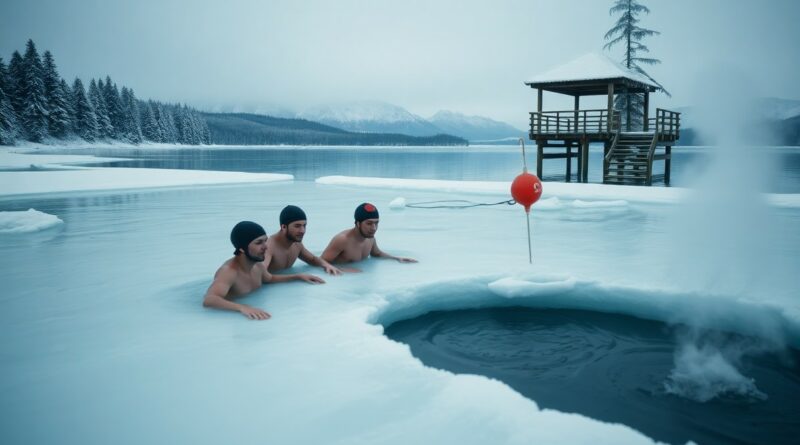
The Most Beautiful Places for Winter Swimming in Poland
You can experience the thrill of winter swimming in Poland at breathtaking locations favored by local “walruses” who embrace icy waters year-round. Temperatures often drop below freezing, making safety precautions vital before entering the water. From the frozen shores of Lake Świętowierz in Białowieża to the Vistula River in Kraków, each spot offers a unique cold-water adventure. For trusted local insights on safe access points and community meetups, check out discussions at Where to go swimming locally in Poland?. Many sites have wooden huts and saunas, enhancing the experience with warmth just steps from the ice.
Key Takeaways:
- Poland offers diverse winter swimming experiences, from the icy waters of the Baltic Sea in Gdańsk to serene mountain lakes in the Tatra region, each providing a unique blend of natural beauty and local tradition.
- Established winter swimming clubs, such as Lodygarze in Warsaw and Penguin Club in Zakopane, operate year-round and welcome visitors, offering saunas, changing facilities, and organized plunges even in subzero temperatures.
- The best time to visit is between December and February, when lakes are partially frozen and events like the New Year’s dip in Łeba draw crowds, but always check local ice conditions and access to amenities before traveling.
Types of Beautiful Winter Swimming Locations
Poland offers a diverse range of scenic spots for cold-water immersion, from the salt waters of the Baltic Sea to the Masurian Lake District and various mountain lakes.
- Baltic Sea swims offer bracing saltwater dips
- Masurian lakes provide calm freshwater settings
- Mountain lakes deliver high-altitude challenges
- Winter festivals often accompany plunges
- Ice holes are carefully cut for safety
Knowing where to swim shapes your experience.
| Location Type | Key Feature |
| Baltic Sea | Saltwater immersion with coastal winds |
| Masurian Lakes | Over 2,000 lakes across northeastern Poland |
| Mountain Lakes | Found in Tatra and Karkonosze ranges |
| Water Temperature | Often between 0-4°C in winter |
| Safety Practice | Supervised ice holes prevent accidents |
Coastal Baltic Sea Destinations
You plunge into the salty chill of the Baltic Sea at locations like Sopot or Łeba, where winter swimmers gather despite freezing winds. The sea’s mineral-rich water feels different than freshwater, offering a sharper sting. Organized events occur year-round, including on New Year’s Day.
The Masurian Land of a Thousand Lakes
You enter still waters surrounded by snow-covered pines in the Masurian Lake District, home to more than 2,000 lakes. Swims here are quieter, often at dawn, with mirror-like surfaces broken only by your entry. Local clubs maintain safe, cut ice zones.
Spanning over 50,000 hectares, the Masurian Lake District offers some of the most tranquil winter swimming experiences in Poland. You’ll find designated spots on lakes like Śniardwy and Mamry, where wooden platforms and saunas enhance the ritual. The combination of solitude, natural beauty, and well-marked access points makes it ideal for both beginners and seasoned plungers.
High-Altitude Mountain Lake Settings
You climb to frozen alpine lakes like Czarny Staw pod Rysami in the Tatra Mountains, where altitudes exceed 1,600 meters and snow lingers for months. The air is thinner, the silence profound, and the water exceptionally cold. These swims are reserved for experienced participants due to extreme conditions.
High-altitude mountain lakes present serious physical demands. You face sub-zero temperatures, icy terrain, and limited access-Czarny Staw pod Rysami, for example, requires a steep hike even in summer. Winter attempts are rare and only advised with guides. Exposure risks are high, but the dramatic scenery makes the effort unforgettable for hardened swimmers.
Step-by-Step Guide to Planning Your Visit
A successful expedition involves determining the best time of year to visit each region and identifying active winter swimming clubs operating in the area.
| Research Timing by Region | Connect with Local Clubs |
| Peak winter swimming season in northern Poland runs from December to February, when lakes like Świętajno and Drawsko Pomorskie reliably freeze. | The Warsaw Walruses host weekly plunges every Saturday at 10:00 AM year-round, with peak attendance between January and March. |
Researching the Best Time of Year for Each Region
Winter conditions vary across Poland, so timing matters. Lakes in the Masurian region typically freeze by mid-December, while southern areas like Zakopane may not support safe ice until January. Plan your trip between December and February for the highest chance of stable ice and organized events.
Scouting Local Winter Swimming Clubs
Local clubs ensure safety and community. The Klub Morskich Lwów in Gdańsk operates daily from December 1 to March 15, offering guided entries and emergency response. Finding active groups helps you swim legally and safely, especially where local regulations apply.
These clubs often maintain cleared access points and monitor ice thickness, which must be at least 10 cm for safe entry. Members share real-time updates via Telegram and Facebook, so joining their networks before arrival is imperative for safety and participation. Many require sign-in or waivers, especially for visitors.
Coordinating with Regional “Walrus” Communities
The Warsaw Walruses and Poznań Frostbites organize group swims and festivals like the New Year’s Ice Breaker on January 1. Contact them in advance to confirm schedules, as unannounced visits may miss active sessions or safety coverage.
These communities follow strict safety codes, including buddy systems and onshore medics during events. Reaching out ahead ensures you’re included in their protocols and informed of last-minute changes due to weather. Participation without coordination can be dangerous-always check in before joining a plunge.
Practical Tips for the Traveling Walrus
Maximize your adventure by pairing winter swimming with visits to Poland’s most stunning natural sites. Pack versatile gear, check local ice conditions, and plan routes near lake districts like Wigry National Park or Drawsko Lake. Always notify someone of your swim location and time. This ensures safety while embracing the thrill of cold-water immersion in breathtaking settings.
Managing Gear for Diverse Polish Terrains
Prepare for variable conditions across Poland’s terrain by packing lightweight, quick-dry clothing and insulated swim boots. The Carpathian foothills demand rugged footwear, while sandy shores of Łebsko Lake need minimal protection. Keep a compact towel and thermal robe in your bag. This adaptability ensures comfort and safety no matter where the cold calls you.
Integrating Sightseeing with Winter Swimming
Turn each swim into a full-day adventure by visiting landmarks like the Teutonic Castle in Malbork or the wooden churches of Żywiec after your dip. Many top swimming spots, such as Mikołajskie Lake in Masuria, lie near historic towns and nature trails. This blend of culture and cold immersion deepens your connection to Poland’s winter beauty.
After emerging from the icy waters of Wigry Lake, you can hike to the Wigry Monastery or explore nearby beaver-watching trails. Swimmers in Szczyrk often follow their plunge with a visit to the mountain lookout at Skierniewice Peak. These combinations transform a simple swim into a rich, multisensory journey through Poland’s winter landscapes, culture, and wildlife.
Safety Protocols for Mobile Cold-Water Enthusiasts
Always enter the water with a buddy and limit immersion to under 3 minutes unless experienced. Check real-time ice thickness-never go below 10 cm on lakes like Drawsko. Carry a neoprene ice pick and whistle. This preparation can prevent accidents and ensure a swift response in emergencies, especially in remote areas with limited rescue access.
Local clubs such as the Warsaw Walruses recommend registering your swim via the Polish Emergency Number 112 before entering remote waters. Many organize patrols at popular spots like Ukiel Lake during winter festivals. Hypothermia risk increases after 5 minutes in sub-5°C water, so strict timing and post-swim rewarming with hot tea or a sauna are non-negotiable for safe practice.
Pros and Cons of Different Polish Regions
The Baltic Sea provides vast space but harsh winds; Masuria offers tranquility but requires ice preparation; mountain lakes offer stunning views but challenging accessibility. Each region suits different swimmers depending on experience and tolerance for conditions.
| Region | Pros and Cons |
| Baltic Sea | Expansive swimming areas with strong tides and harsh winds that increase risk |
| Masuria | Tranquil lakes, though ice preparation is required for safe winter access |
| Mountain Lakes | Stunning views in alpine settings with challenging accessibility due to snow and terrain |
Advantages of Seaside Cold Immersion
You gain access to open, salt-rich waters along the Baltic Sea, where the vast space allows for longer immersion sessions. The sea’s natural salinity may enhance buoyancy and skin response, but harsh winds can rapidly lower body temperature, demanding proper acclimatization and protective gear for safety.
Freshwater Lake Benefits and Challenges
Masuria’s lakes deliver tranquility and clean, still waters ideal for mindful cold exposure. Yet, you must rely on local knowledge to assess ice thickness, as ice preparation is important-unstable patches are common even in peak winter, making caution non-negotiable.
Swimming in Masuria means navigating seasonal ice conditions that vary by lake and weekly temperatures. You’ll find organized ice holes in popular spots like Lake Śniardwy, but remote areas lack monitoring. Ice preparation includes measuring thickness-locals recommend at least 10 cm of clear ice-and avoiding areas near inflows where currents weaken the surface. These lakes offer peace, but only if you respect their hidden risks.
Infrastructure Comparisons Across Regions
Facilities differ widely: the Baltic coast has basic changing zones, Masuria relies on seasonal setups, and mountain sites offer minimal support. Your safety and comfort depend on understanding what each location provides-or doesn’t.
| Region | Infrastructure Details |
| Baltic Sea | Public changing cabins in urban zones like Sopot; no lifeguards in winter |
| Masuria | Temporary wooden platforms and warming huts appear in December; maintained by local clubs |
| Mountain Lakes | Nearly no dedicated facilities; access roads often closed due to snow |
Along the Baltic, cities like Gdańsk and Kołobrzeg offer the most developed access points, though services shrink in winter. In Masuria, volunteer groups prepare ice holes and maintain small shelters, especially around January festivals. Mountain lakes, such as those in the Tatra foothills, remain largely wild-reaching them often requires hiking through snow, and emergency help is hours away. Your preparation must match the region’s level of support, or risk isolation in extreme cold.
Final Words
Conclusively, you can experience the invigorating thrill of winter swimming at Poland’s top spots like Lake Świętajne in Masuria, the Baltic Sea coast in Łeba, and the regulated zones of Lake Śniardwy. Local clubs such as the Wigry Polar Bears provide guidance, and facilities including saunas and changing cabins are available. The best time for immersion is between December and February. You’ll find full details on access and safety at Winter in Poland? Not only in the mountains!.
FAQ
Q: Where can I go winter swimming in the Baltic Sea region of Poland?
A: The coastal city of Gdańsk offers one of the most popular winter swimming spots at Brzeźno Beach. Local walruses gather regularly at the official swimming hole maintained by the Klub Morskich Płetwonurków (Sea Swimmers Club), which cuts an ice opening each winter. The beach has changing cabins, hot tea stations during events, and easy access via public transport. Swimmers often jump in between December and February, especially during the annual Polar Bear Challenge in January. The water temperature ranges from 1°C to 4°C, and the sandy shore allows for quick warm-up walks after dips.
Q: Are there winter swimming groups in the Masurian Lake District?
A: Yes, the town of Giżycko on Lake Niegocin hosts an active winter swimming community. The group “Mazurscy Morszczyniarze” organizes weekly ice plunges from late November through March. They maintain a wooden platform with a ladder on the frozen lake and provide insulated changing tents. The site is reachable by train or car, with parking near the marina. The lake’s clear water and low currents make it safer than rivers, and the nearby cafes let swimmers warm up with mulled wine or hearty Polish soups. Midwinter, around January, is the most vibrant time for events.
Q: What mountain lakes in Poland are suitable for winter swimming?
A: Lake Morskie Oko in the Tatra Mountains is a dramatic but challenging option for experienced winter swimmers. Access requires a 3.5-kilometer winter hike from Palenica, and conditions depend heavily on snow and ice stability. The swim is not for beginners-there’s no permanent club presence, and water temperatures hover near freezing. However, some guided expeditions from Zakopane include short immersions as part of wellness retreats. Safer alternatives include the heated outdoor saltwater pool at Termy Bania in nearby Bukowina Tatrzańska, where swimmers can take cold plunges year-round in a controlled setting.
Q: Do I need special gear to swim in Polish winter lakes and seas?
A: Swimmers should bring neoprene gloves, wool hats, and thick robes or ponchos for immediate use after exiting the water. Many clubs provide hot drinks and basic shelter, but personal preparation is key. Thermal changing tents or portable cabins are common among regulars. In remote areas like Masuria or the Tatras, insulated boots and hand warmers are important. Some locations, such as Brzeźno Beach, rent winter swimming kits during festivals, but availability is limited. Always carry dry clothes in a waterproof bag and never swim alone-most groups require a buddy system.
Q: When is the best time of year to experience winter swimming in Poland?
A: The core season runs from December to late February, when ice cover is stable and organized events take place. January is ideal, as many clubs host international meetups and charity swims. Coastal areas like Sopot and Łeba see consistent activity even during mild winters, while inland lakes in Podlasie and Warmia freeze more reliably by mid-December. March can still offer opportunities, especially in shaded or high-altitude lakes, but daylight increases and milder weather make conditions less predictable. Checking local club social media pages weekly ensures up-to-date ice reports and event schedules.
