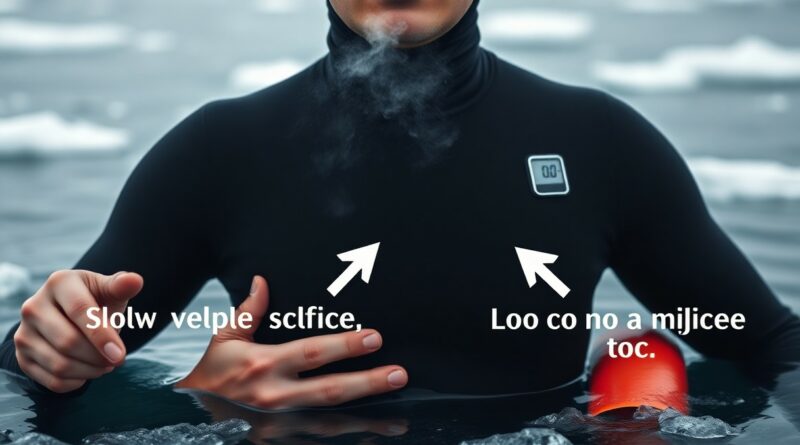
How to breathe properly when entering icy water.
Overcoming the shock of cold water immersion starts with your breath. Controlled, rhythmic breathing prevents gasping and reduces the risk of cardiac stress. Before entering, practice slow inhales and long exhales to prepare your nervous system. Learn proven Breathing Techniques for Cold Plunge that enhance tolerance and safety during winter swimming.
Key Takeaways:
- Control your breath the moment you enter icy water-sudden immersion triggers an involuntary gasp reflex, so exhale gently upon entry to prevent inhaling water.
- Practice slow, rhythmic breathing before and during cold exposure to stabilize your nervous system and reduce shock; shallow or rapid breaths increase stress and heart strain.
- Use preparatory breathing exercises like the Wim Hof method to build tolerance-short breaths followed by a controlled breath hold can condition your body to manage cold stress more effectively.
Understanding the Biological Factors of the Cold Shock Response
Entering icy water triggers the hyperventilation reflex, a natural physiological reaction that must be managed to ensure safety and prevent panic. This sudden gasp and rapid breathing are automatic responses driven by skin temperature receptors reacting to extreme cold. You can’t stop the reflex entirely, but you can control your reaction. This ability to stay calm and regulate breathing reduces the risk of water inhalation and cardiac strain.
Identifying the mechanics of the hyperventilation reflex
Your skin detects a rapid drop in temperature the moment you enter icy water, activating cold receptors that signal the brainstem. This triggers an immediate increase in breathing rate-up to 60-100 breaths per minute-far above the normal 12-20. The hyperventilation reflex is automatic and peaks within the first 30-60 seconds. This surge is not due to conscious fear but to hardwired physiology.
Risks of gasping and involuntary inhalation
A sudden gasp upon immersion can draw in water if your head is submerged, leading to involuntary inhalation and potential drowning. This reflex occurs within seconds and is most dangerous in the first minute. Cold water entering the airway can trigger laryngospasm or cardiac arrhythmias. This is why keeping your face above water during initial immersion is non-negotiable.
Water inhalation during the gasp reflex can flood the lungs even in shallow depths, especially if you’re unprepared. The body’s shock response may also spike blood pressure and heart rate, increasing strain on the heart-particularly dangerous for those with underlying conditions. Cold-induced involuntary inhalation is responsible for many cold water fatalities within the first minute, often before hypothermia sets in. This makes breath control immediately after entry the most critical survival factor.
How to Execute Calm and Controlled Breathing
Mastering calm, controlled breathing allows you to override the body’s immediate stress response when entering icy water. By focusing on steady inhales and slow exhales, you maintain comfort in extreme temperatures. Learn more techniques at How to Control Your Breathing in an Ice Bath.
Focusing on deep, rhythmic exhalations
Begin each breath cycle by drawing air slowly into your belly, then exhale longer than you inhale. Extended exhalations signal your nervous system to relax, countering the shock of cold immersion. This rhythm stabilizes your response and supports mental clarity during the first critical seconds.
Strategies for stabilizing the heart rate upon entry
Your heart rate can spike by up to 50% within seconds of cold exposure. Pre-empt this surge by initiating controlled breaths before contact with water. Maintain a consistent pattern to support cardiovascular stability and reduce strain on the heart during adaptation.
Stabilizing your heart rate begins before you step into the ice bath. Initiate slow, deep breathing for 60 seconds prior to immersion to activate the parasympathetic nervous system. This pre-emptive practice reduces the initial adrenaline spike and supports a smoother physiological transition, allowing your body to adjust without overwhelming stress. Consistent application enhances long-term resilience to cold exposure.
Utilizing Wim Hof Breathing Exercises for Cold Endurance
You can train your nervous system to handle icy water immersion using the Wim Hof breathing method, a structured technique developed by Dutch extreme athlete Wim Hof. This practice increases oxygen saturation and triggers a measurable rise in adrenaline, helping you stay calm and focused during cold exposure.
Core steps of the Wim Hof technique
You begin with 30 to 40 deep, rhythmic breaths-inhaling fully through the nose and exhaling passively-followed by a breath hold after a final exhalation. The retention phase can last over two minutes, enhancing CO₂ tolerance and priming your body for cold stress.
How specialized breathing alters cold perception
You experience reduced shock response because Wim Hof breathing elevates blood pH and oxygen levels, which modulates the autonomic nervous system’s reaction to cold. This shift allows you to maintain control and composure even when entering freezing water.
When you practice this breathing consistently, your body learns to suppress the gasp reflex and sustain steady heart rate variability during cold immersion. Studies show participants using the Wim Hof method can withstand ice baths for over eight minutes, demonstrating measurable control over inflammatory and stress responses through breath alone.
Conclusion
On the whole, you manage your body’s reflexive responses to icy water by mastering controlled breathing and practicing specific preparatory exercises. You maintain safety and comfort during winter swimming when you focus on steady breaths and gradual exposure, allowing your system to adapt efficiently to the cold.
FAQ
Q: What happens to my breathing when I first enter icy water?
A: Your body reacts with an involuntary gasp reflex as soon as cold water hits your skin and chest. This sudden intake of breath can cause you to inhale water if you’re not prepared. The shock also triggers rapid, shallow breathing and an increased heart rate. This response is natural and peaks within the first 30 to 60 seconds. Staying calm and focusing on controlling your breath right from the start helps your body adjust safely.
Q: How should I breathe during the first minute in cold water?
A: Breathe slowly and deeply through your nose if possible, or use controlled mouth breathing if needed. Avoid quick, panicked breaths. Focus on making each exhale longer than the inhale to activate your parasympathetic nervous system, which helps calm your body. Keep your movements slow and your head above water until your breathing stabilizes. This steady rhythm reduces the risk of hyperventilation and helps you stay in control.
Q: Can practicing breathing exercises before entering icy water help?
A: Yes. Practicing calm breathing for 2-5 minutes before immersion prepares your nervous system. Try inhaling for four seconds, holding for four, and exhaling for six. This builds mental focus and reduces the shock response. Some people use adapted Wim Hof breathing-three to four rounds of 30 deep breaths followed by a breath hold-but only if practiced safely on land first. These exercises increase CO₂ tolerance and improve breath control under stress.
Q: Should I hold my breath when entering cold water?
A: No. Holding your breath increases the risk of shallow water blackout and raises internal pressure, which can worsen the shock response. Instead, enter the water while exhaling gently. This allows your body to respond without resistance. Continuous, rhythmic breathing from the moment of entry supports oxygen flow and helps regulate your heart rate. Let your breath flow naturally, even if it feels fast at first.
Q: What breathing pattern works best once I’m acclimated to the cold?
A: Once the initial shock passes, aim for slow, deep, and rhythmic breaths. Inhale fully to expand your diaphragm, not just your chest, and extend each exhale to promote relaxation. This supports circulation and helps maintain core temperature. Many experienced cold-water swimmers use a consistent pattern, like inhaling for three strokes and exhaling for three while swimming. The key is finding a rhythm that keeps you calm and aware throughout your time in the water.
