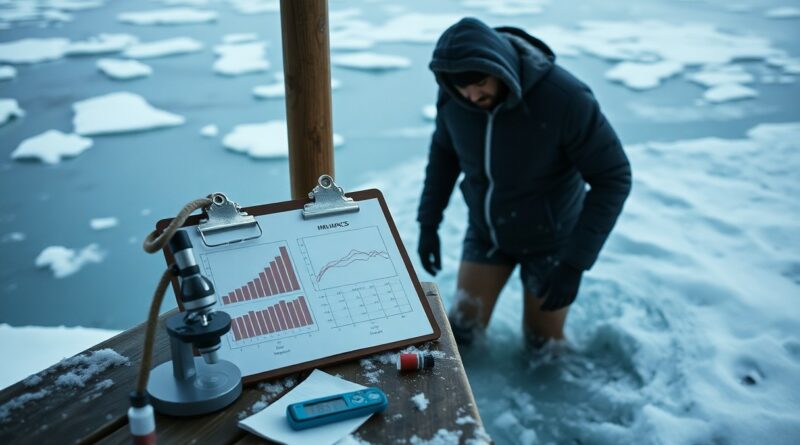
Winter Swimming and Immunity – What Does Science Say?
With growing interest in extreme wellness practices, winter swimming has gained attention for its potential immune-boosting effects, though risks like hypothermia and cardiac stress are serious. Scientific studies suggest regular cold exposure may increase white blood cell count and anti-inflammatory markers, but evidence remains limited. For a deeper look at trends like cold plunges and kombucha, see this Cold plunges and kombucha: Do winter wellness trends… report.
Key Takeaways:
- Winter swimming triggers a rise in norepinephrine, a hormone and neurotransmitter linked to alertness and reduced inflammation, which may influence immune function.
- Regular cold water exposure can activate brown adipose tissue, leading to metabolic changes that some studies associate with improved immune response.
- While winter swimmers often report fewer colds, current evidence does not conclusively prove cold swimming prevents infections; lifestyle factors and overall health may play a larger role.
The Fire Inside the Cold
Your body responds to the freeze through the activation of brown adipose tissue and a sharp rise in norepinephrine levels, triggering a powerful internal defense system. This natural reaction generates heat and sharpens alertness, potentially boosting resilience over time. Learn more about this process in Staying Healthy: Cold Water for Health.
The Brown Fat Burn
Brown adipose tissue activates when exposed to cold, burning calories to produce heat instead of storing energy. This metabolic shift, triggered by winter swimming, increases your body’s ability to maintain core temperature. Unlike white fat, brown fat is directly involved in thermogenesis, making it a key player in cold adaptation.
The Chemical Surge
Norepinephrine levels spike dramatically during cold immersion, enhancing focus and mood. This neurotransmitter surge can increase by up to fivefold, according to research, supporting mental clarity and stress resilience. The sharp rise in norepinephrine is one of the most immediate and measurable effects of cold exposure.
When you enter icy water, your sympathetic nervous system launches an intense response, flooding your bloodstream with norepinephrine. This chemical surge doesn’t just prepare you for fight-or-flight-it sharpens cognition, elevates heart rate, and may even reduce inflammation over time. Studies show norepinephrine can increase by 530% during cold water immersion, underscoring its powerful physiological role.
The Blood of the Brave
When you plunge into icy water, your body responds with a surge of physiological defenses. Immersion leads to increased white blood cell production to bolster the interior lines of the body, activating immune surveillance in response to cold stress. This reaction isn’t just reflexive-it’s strategic, preparing your system to guard against potential threats with heightened alertness.
Mobilizing the Guard
Your immune system shifts into high gear the moment you enter cold water. Immersion leads to increased white blood cell production to bolster the interior lines of the body, triggering a rapid deployment of lymphocytes and neutrophils. These cells act as frontline defenders, enhancing your resistance to pathogens immediately after exposure.
The White Cell Count
Studies show a measurable rise in your white blood cell count following winter swimming. Immersion leads to increased white blood cell production to bolster the interior lines of the body, with one study observing up to a 20% increase post-immersion. This spike reflects your body’s acute readiness to counteract invasion.
That spike in white blood cells isn’t temporary window dressing. Immersion leads to increased white blood cell production to bolster the interior lines of the body, and repeated exposure can train this response over time. Researchers tracking winter swimmers over a 12-week period noted sustained elevations in monocytes and natural killer cells, suggesting long-term immune conditioning from consistent cold exposure.
The Verdict on the Common Cold
You’ve likely heard claims that plunging into icy water strengthens your defenses. Research shows whether the shock of winter swimming truly protects a man against the standard cold-and the results are more nuanced than bold headlines suggest. Some studies indicate a reduction in sick days, but not necessarily in infection rates.
Shielding the System
Your body responds to cold immersion with a surge of adrenaline and noradrenaline, hormones linked to immune activation. This acute stress may temporarily boost circulation of immune cells, potentially enhancing surveillance against pathogens. Regular winter swimmers often report fewer respiratory symptoms, though clinical evidence remains limited and highly individualized.
The Reality of Resistance
One Dutch study from 2016 followed 3,018 adults over 12 weeks, comparing winter swimmers to control groups. Participants who practiced regular cold-water immersion reported a 29% reduction in self-assessed sick leave, yet showed no significant drop in actual infection rates. The perceived resilience may stem from improved well-being rather than true immunological protection.
While the 2016 Dutch trial revealed no strong evidence that winter swimming prevents colds, it highlighted notable shifts in subjective health. You may not avoid the virus, but your symptoms could feel less severe. The 29% drop in reported sick leave suggests a psychological or physiological buffer-possibly due to increased cold tolerance or reduced inflammatory response. Immunity isn’t just about pathogen defense; it’s also about how your body manages stress and recovery.
Summing up
Drawing together, you experience firsthand how cold water immersion activates brown fat, spikes norepinephrine levels, and mobilizes white blood cells. Science confirms these physiological responses, showing your immune system responds dynamically to winter swimming. Each dip into icy water triggers measurable changes, shaping how your body adapts and defends itself over time.
FAQ
Q: Does winter swimming actually boost the immune system?
A: Studies suggest that regular cold water immersion, like winter swimming, can influence immune function through measurable physiological changes. Exposure to cold triggers the release of norepinephrine, a hormone and neurotransmitter involved in alertness and stress response, which also plays a role in regulating inflammation. Some research shows an increase in certain white blood cells, such as monocytes and lymphocytes, after repeated cold exposure. These cells are part of the body’s defense against infections. While this indicates a stimulated immune response, it does not necessarily mean winter swimmers get sick less often. The overall effect on long-term immunity is still being studied, and individual responses vary.
Q: How does cold water affect brown fat and immunity?
A: Brown adipose tissue, or brown fat, becomes active in cold conditions to generate heat and maintain body temperature. This process, called thermogenesis, increases metabolic activity and may influence immune function indirectly. Activated brown fat releases signaling molecules that interact with immune cells, particularly macrophages, which help regulate inflammation. Some animal studies show that cold exposure enhances immune surveillance in fat tissue. In humans, increased brown fat activity from regular winter swimming could support a more responsive immune system, but direct evidence linking brown fat activation to reduced infection rates remains limited.
Q: Can winter swimming reduce the frequency of colds and respiratory infections?
A: A few observational studies have reported that people who swim in cold water regularly claim fewer upper respiratory infections. One Dutch study found participants who took daily cold showers or swam in cold water had 29% fewer sick days from work, though the effect was modest and self-reported. The reduction might be due to improved circulation, lower chronic inflammation, or psychological factors like reduced stress. However, no large-scale clinical trials confirm that winter swimming prevents colds. Cold exposure can also temporarily suppress some immune functions immediately after immersion, so timing and frequency matter.
Q: Is there a risk of getting sick from winter swimming?
A: Yes, there are risks, especially for untrained individuals. Sudden immersion in cold water causes a shock response-rapid breathing, increased heart rate, and blood pressure spikes-that can be dangerous for people with heart conditions. The initial cold shock may also temporarily weaken mucosal immunity in the airways, potentially increasing vulnerability to viruses in the short term. Swimmers exposed to cold for prolonged periods without proper recovery may experience suppressed immune markers. Hypothermia and exhaustion further compromise the body’s ability to fight infection. Safety, acclimatization, and medical clearance are necessary.
Q: How often and how long should someone swim in cold water to potentially benefit immunity?
A: Research does not define a universal protocol, but studies showing immune changes typically involve repeated exposure-such as swimming or cold immersion 2 to 3 times per week for 20 seconds to several minutes at temperatures below 15°C (59°F). Gradual acclimatization is key; starting with short dips and increasing duration over weeks helps the body adapt safely. The immune effects appear linked to consistency rather than intensity. One-off swims are unlikely to have lasting benefits. Individual factors like age, fitness, and health status influence tolerance. People interested in cold swimming should start slowly and listen to their bodies to avoid harm.
