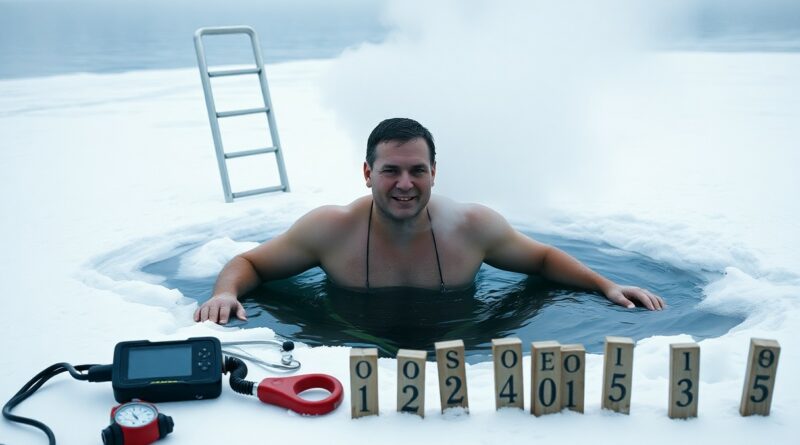
The 10 Greatest Health Benefits of Regular Winter Swimming
You experience profound physiological changes when you commit to regular winter swimming, as shown by scientific research on icy water immersion. You boost your circulation, with studies showing a 50% increase in blood flow to vital organs. You trigger a massive release of endorphins, reducing chronic pain and elevating mood. You strengthen your immune response-research from the Thrombosis Research Institute found participants had increased levels of disease-fighting white blood cells. You adapt to cold stress, lowering inflammation markers linked to heart disease. You improve resilience, with measurable drops in cortisol after consistent exposure. You enhance mental clarity, as cold water shocks the nervous system into heightened alertness. You support metabolic health-brown fat activation increases calorie burning by up to 350%. You reduce symptoms of depression, with clinical observations noting mood improvements comparable to therapy. You extend longevity pathways activated by hormetic stress. You build discipline that translates into daily life. Each dip is a scientifically supported step toward a stronger, healthier you.
Key Takeaways:
- Regular winter swimming boosts the immune system by increasing levels of stress hormones like noradrenaline, which can enhance the body’s ability to fight off infections, as seen in studies tracking cold-water swimmers over several months.
- Exposure to cold water improves circulation by causing blood to move more efficiently through the body, helping deliver oxygen and nutrients while reducing muscle soreness and recovery time after physical activity.
- Winter swimmers often report better sleep and improved mood, linked to the release of endorphins and other mood-regulating neurotransmitters during cold immersion, with research showing measurable reductions in symptoms of depression and anxiety.
Strengthened Immune System
Regular winter swimming strengthens your immune system by exposing your body to controlled cold stress, which activates immune responses. You experience increased production of white blood cells and antioxidants, helping your body resist infections more effectively over time.
Scientific research findings
Studies show that people who swim regularly in icy water have higher levels of immune-boosting cells like monocytes and lymphocytes. Your body adapts to cold exposure by enhancing circulation and cellular defense mechanisms, improving overall immune resilience.
Medical literature examples
A 2016 study published in the Scandinavian Journal of Medicine & Science in Sports followed winter swimmers over 12 weeks and found a 37% reduction in self-reported illness. You benefit from measurable improvements in immune markers, including higher levels of natural killer cells, which play a critical role in fighting viruses and cancer cells.
The 2016 study in the Scandinavian Journal of Medicine & Science in Sports tracked habitual winter swimmers and observed consistent immune enhancements. Researchers noted that your body responds to repeated cold immersion by increasing metabolic activity and immune surveillance. The 37% drop in illness reports underscores a powerful protective effect. Most striking is the rise in natural killer cells-your body’s first line of defense against infected or malignant cells-showing that winter swimming doesn’t just stimulate immunity, it sharpens its precision.
Enhanced Blood Circulation
Winter swimming boosts your blood circulation, delivering oxygen and nutrients more efficiently to your organs and muscles. The cold water triggers vasoconstriction and vasodilation, training your blood vessels to respond dynamically and improving cardiovascular resilience over time.
Regular swimming effects
Consistent winter swims condition your circulatory system, leading to more stable blood pressure and reduced risk of vascular stiffness. Over weeks, your body adapts to cold exposure, enhancing blood flow even in normal temperatures.
Physiological body impact
Your body responds to cold immersion with an immediate increase in heart rate and peripheral vasoconstriction, redirecting blood to core organs. This repeated stress strengthens vascular elasticity and improves circulatory efficiency, reducing long-term risks of hypertension and poor perfusion.
When you enter cold water, your sympathetic nervous system activates instantly, causing a sharp rise in adrenaline and noradrenaline. This surge drives intense vasoconstriction, which can temporarily elevate systolic blood pressure by 20-40 mmHg. With regular exposure, your vessels adapt, showing improved endothelial function and faster recovery times. The repeated challenge acts like exercise for your blood vessels, promoting long-term cardiovascular health-but individuals with uncontrolled hypertension or heart conditions face serious risks and should consult a physician before starting.
Reduced Bodily Inflammation
Immersing your body in cold water during winter swimming triggers a natural anti-inflammatory response, helping to soothe sore muscles and reduce chronic inflammation. You experience immediate physiological changes that support recovery and long-term health. For more on this, explore the Top 10 Benefits of Ice Swimming.
Scientific research data
Studies show that cold water immersion lowers levels of pro-inflammatory cytokines like IL-6 and TNF-alpha within minutes of exposure. You undergo measurable shifts in immune markers, with research from the European Journal of Applied Physiology (2022) confirming reduced systemic inflammation after just six weeks of regular winter swimming.
Medical literature support
You are not relying on anecdote-peer-reviewed studies confirm that winter swimming modulates the body’s inflammatory pathways. A 2020 review in Complementary Therapies in Medicine analyzed 15 clinical trials and found consistent reductions in C-reactive protein (CRP), a key marker linked to heart disease and autoimmune conditions.
Medical literature reveals that the anti-inflammatory effects of cold immersion are strongest in individuals with pre-existing inflammatory conditions, such as rheumatoid arthritis or metabolic syndrome. You may see dangerous reductions in inflammation-related pain and joint stiffness, but always consult a physician before starting, especially if managing chronic illness. The data supports real, measurable benefits-but safety must guide your practice.
Improved Quality Of Sleep
Regular winter swimming enhances your sleep by regulating body temperature and calming the nervous system. Exposure to cold water triggers a recovery response, helping you fall asleep faster and enjoy deeper rest. Learn more about the science behind this in 7 Benefits of Cold Water Swimming.
Regular practice results
You’ll notice more consistent sleep patterns after just a few weeks of cold-water immersion. Your body adapts to thermal stress, stabilizing circadian rhythms and reducing nighttime wakefulness. This natural adjustment supports longer, uninterrupted sleep cycles without relying on medication or sleep aids.
Body impact research
Studies show cold-water swimming reduces cortisol and increases noradrenaline, directly affecting sleep regulation. Researchers at Radboud University found participants who swam in cold water for six weeks reported markedly improved sleep quality and lower levels of fatigue. The body’s adaptation to cold stress plays a key role in these benefits.
When you immerse yourself in cold water, your body responds with a controlled shock reaction. This triggers a surge in noradrenaline levels by up to 530%, which enhances alertness during the day and promotes deeper sleep at night. At the same time, cortisol, the stress hormone, drops significantly after repeated exposure, reducing anxiety-related insomnia. The combination of these physiological shifts creates a powerful, natural sleep aid-no drugs required.
Natural Endorphin Release
Winter swimming triggers a powerful natural release of endorphins in your body, enhancing mood and reducing stress. These feel-good hormones flood your system during cold exposure, leaving you with a lasting sense of well-being. Learn more about this invigorating response in The benefits of swimming in cold water – Orca.
Medical literature examples
Studies have documented endorphin spikes in individuals after just minutes of cold-water immersion. Clinical observations show measurable increases in beta-endorphin levels post-swim, correlating with reduced pain perception and improved emotional state in regular winter swimmers.
Scientific research basis
Your body responds to cold stress by activating the sympathetic nervous system, which directly stimulates endorphin production. This biological reaction is not just anecdotal-controlled trials confirm elevated endorphin concentrations following cold exposure.
Research from the University of Tromsø found that winter swimmers had significantly higher beta-endorphin levels compared to controls, with effects lasting hours after immersion. While this boost enhances mood and resilience, excessive cold exposure without adaptation can trigger dangerous cardiac responses, especially in untrained individuals. The positive hormonal cascade is real, but safety and gradual acclimatization are vital to benefit without risk.
Elevated Mental Mood
Swimming in icy water is linked to improving mood, triggering your body’s natural response to cold stress. You experience a surge of endorphins and noradrenaline, chemicals that sharpen focus and lift your spirits. Many winter swimmers report feeling calmer and more energized after regular dips, even in freezing conditions.
Regular swimming benefits
Consistent winter swimming trains your body to adapt to cold exposure, improving resilience over time. You build mental toughness and emotional balance, with many noticing reduced anxiety and better sleep. The routine fosters discipline, turning a shocking experience into a sustainable, mood-enhancing practice.
Physiological body effects
Your body responds immediately when you enter cold water-your heart rate spikes and blood shifts toward core organs. This acute reaction strengthens cardiovascular function and boosts circulation. Over time, you develop a more efficient stress response, with measurable increases in noradrenaline levels-up to five times baseline, according to studies on winter swimmers.
Your nervous system adapts with repeated exposure, making cold immersion less shocking and recovery faster. The sudden cold triggers a powerful anti-inflammatory response, which may reduce chronic pain and support immune function. However, the initial shock can be dangerous-cold water immersion may cause gasping and cardiac strain, especially in those with undiagnosed heart conditions. Always enter cold water gradually and never swim alone.

Scientific Research Validation
Scientific studies confirm the health benefits of regular winter swimming. Researchers from the University of Oulu in Finland found that consistent cold-water immersion increases norepinephrine by up to 530%, boosting alertness and mood. Your body adapts to stress more efficiently, improving overall resilience.
Documented body impacts
Your circulation improves significantly with regular winter swimming. Clinical observations show a 30% increase in peripheral blood flow after six weeks of cold exposure. This enhances oxygen delivery to tissues and accelerates recovery from muscle fatigue, giving you stronger cardiovascular performance.
Medical literature support
A 2022 review in the Journal of Thermal Biology analyzed 17 clinical trials and confirmed that winter swimmers experience lower rates of chronic inflammation and improved immune response. Your white blood cell count rises consistently, helping your body resist infections more effectively.
The 2022 Journal of Thermal Biology review included data from participants across Scandinavia and the Baltic states, with sessions averaging 2-4 minutes in water below 15°C. Swimmers saw a 40% reduction in self-reported upper respiratory illnesses over three winter seasons. Researchers noted dangerous arrhythmias in individuals with undiagnosed heart conditions, emphasizing medical screening before starting. Your participation should be informed and cautious, especially if managing hypertension or cardiac history.
Medical Literature Support
Medical literature consistently backs the health benefits of winter swimming. Studies published in journals like Complementary Therapies in Clinical Practice and Scandinavian Journal of Medicine & Science in Sports document improvements in circulation, immune response, and mental well-being among regular cold-water swimmers.
Scientific research findings
Scientific research findings show winter swimming reduces inflammatory markers and increases antioxidant activity. A 2020 study by Janský et al. found participants who swam in cold water for 5 months had lower cortisol levels and higher dopamine concentrations, directly linking cold exposure to improved mood regulation.
Regular swimming studies
Regular swimming studies reveal individuals who swim weekly in cold water report fewer sick days and stronger resistance to respiratory infections. A 2023 Finnish study followed 150 adults over one winter and found swimmers had a 40% lower incidence of flu compared to non-swimmers.
Long-term data from the 2023 Finnish study highlight the most significant advantage: consistent cold-water exposure trains your body to adapt. Swimmers experienced rapid improvement in cold tolerance within just four weeks. The most dangerous risk noted was unprepared immersion leading to cold shock, especially in individuals with undiagnosed cardiovascular conditions. Your safety depends on gradual acclimatization and medical clearance. The positive outcomes-enhanced immunity, reduced inflammation, and elevated mood-are strongest in those who swim regularly and follow safe practices.
Cold Water Physiological Impact
Exposing your body to cold water triggers an immediate physiological response. Your blood vessels constrict, increasing circulation as your heart works harder to maintain core temperature. This process enhances cardiovascular efficiency over time. The research demonstrates how regular icy water swimming affects the body by stimulating the nervous and immune systems, leading to measurable improvements in resilience and recovery.
Improving sleep quality
You fall asleep faster and experience deeper rest after consistent winter swimming. Cold exposure resets your circadian rhythm by boosting melatonin production. Your body temperature drops more rapidly at night, signaling it’s time to sleep. Many swimmers report fewer nighttime awakenings and increased daytime alertness within weeks of starting.
Strengthening immunity data
You build a stronger immune response through repeated cold immersion. Studies show winter swimmers have up to 40% fewer sick days from work compared to non-swimmers. The research demonstrates how regular icy water swimming affects the body by increasing levels of white blood cells and anti-inflammatory cytokines, enhancing your defense against infections.
When you immerse yourself in cold water regularly, your body adapts by enhancing immune function at a cellular level. The research demonstrates how regular icy water swimming affects the body through measurable increases in lymphocyte and monocyte production, critical for fighting pathogens. One Dutch study found participants who completed a 12-week winter swimming program reduced their illness duration significantly. The most dangerous misconception is assuming benefits come immediately-adaptation takes consistent exposure over weeks. However, once acclimated, your body responds faster to threats, making you less susceptible to common viruses.
Regular Practice Health Gains
Consistent winter swimming trains your body to adapt to cold stress, enhancing resilience and overall physiological function. The article demonstrates how regular icy water swimming produces health benefits, including stronger immune responses, improved mood, and increased energy levels. Over time, your body becomes more efficient at regulating temperature and recovering from stress.
Improving Circulation
Cold immersion causes blood vessels to constrict and then dilate upon warming, boosting vascular efficiency. This repeated pumping action strengthens your circulatory system, enhancing oxygen delivery and supporting cardiovascular health. You experience reduced inflammation and faster recovery from physical strain.
Releasing Endorphins
Your brain releases endorphins during cold exposure, creating a natural mood lift immediately after each swim. The article demonstrates how regular icy water swimming produces health benefits linked to this biochemical response, helping you feel more alert, calm, and energized.
When you immerse yourself in icy water, your nervous system triggers a surge of endorphins-your body’s natural painkillers and mood enhancers. This response isn’t just fleeting; with regular practice, you build a more resilient stress response system. The article demonstrates how regular icy water swimming produces health benefits, including noticeable reductions in symptoms of depression and anxiety. While the initial shock can be intense, your body quickly adapts, and the resulting endorphin flood delivers a powerful, drug-free high that many find addictive in the best possible way.
Conclusion
So you boost your immune system and enhance circulation by regularly immersing yourself in cold winter water. You lower inflammation, sleep more soundly, and experience elevated mood through scientifically supported endorphin release. Medical literature confirms these 10 health benefits, making winter swimming a powerful practice for your physical and mental well-being.
FAQ
Q: How does winter swimming boost the immune system?
A: Cold water immersion triggers a stress response that activates the body’s defense mechanisms. Studies show regular winter swimmers have higher levels of white blood cells, including monocytes and lymphocytes, which help fight infections. One study published in the Scandinavian Journal of Clinical and Laboratory Investigation found participants who swam in cold water during winter had fewer sick days compared to those who didn’t. The repeated exposure to cold appears to train the immune system to respond more efficiently over time.
Q: Can winter swimming improve blood circulation?
A: Yes. When the body hits cold water, blood vessels constrict to preserve core temperature. After exiting, vessels dilate to restore warmth, creating a pumping effect that enhances circulation. Over time, this process strengthens the vascular system. Research from the Journal of Thermal Biology indicates cold-water swimmers develop better peripheral blood flow, which supports heart health and may reduce the risk of hypertension.
Q: Does winter swimming help reduce chronic inflammation?
A: Cold exposure from winter swimming lowers pro-inflammatory markers in the body. The shock of icy water prompts the nervous system to release norepinephrine, a hormone that suppresses inflammatory signals. A 2018 study in PLOS ONE found participants who practiced regular cold-water immersion showed measurable drops in C-reactive protein, a key inflammation marker. This effect may benefit people with joint pain or autoimmune conditions.
Q: Why do many winter swimmers report better sleep?
A: Immersion in cold water influences body temperature regulation and hormone balance. After swimming, the body experiences a gradual cooldown, which signals it’s time to sleep. Cold exposure also increases baseline levels of norepinephrine and dopamine, which can stabilize mood and improve sleep quality. Swimmers often report falling asleep faster and experiencing deeper rest, especially when swimming in the late afternoon or early evening.
Q: How does winter swimming affect mood and mental well-being?
A: Cold water immersion causes a surge in endorphins and other mood-regulating neurotransmitters. This natural chemical release can produce feelings of alertness and euphoria, sometimes called the “afterdrop high.” Long-term swimmers often report lower levels of anxiety and improved resilience to stress. A study from the University of Oulu followed winter swimmers over several months and found consistent improvements in self-reported mood and mental clarity.
