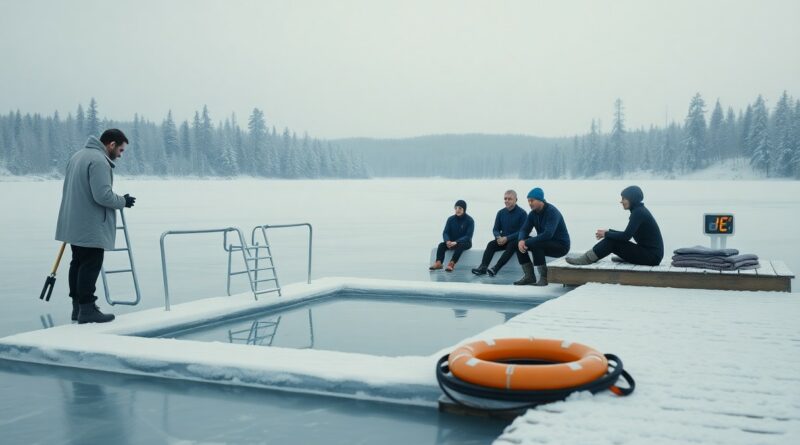
Winter Swimming for Beginners – How to Safely Begin Your Ice-Cold Water Adventure
Swimming in cold water can be dangerous without proper preparation, but it also offers powerful health benefits when done correctly. This comprehensive guide for those just starting their winter swimming adventure covers necessary safety steps, acclimatization timelines, and breathing techniques. Learn how to do it right by reviewing expert advice from How to Do Cold Open Water Swimming Safely.
Key Takeaways:
- Begin with short, controlled immersions-start with 30 seconds to 1 minute in cold water to allow your body to adapt gradually without overwhelming your system.
- Proper preparation includes wearing appropriate gear like a swimsuit, towel, warm layers, and possibly neoprene boots or gloves, and always enter the water slowly while focusing on steady breathing.
- Know your health limits-people with heart conditions, high blood pressure, or respiratory issues should consult a doctor before attempting winter swimming, as cold shock can pose serious risks.
Identifying Health Factors and Contraindications
Before you begin winter swimming, assess your health to avoid serious risks.
- Pre-existing heart conditions can react dangerously to cold shock
- Hypertension may worsen with sudden immersion
- Raynaud’s syndrome increases risk of extremity injury
- Uncontrolled asthma can be triggered by cold air exposure
After confirming your safety with a medical professional, you can proceed with confidence.
Physical health screening
Your doctor should evaluate your cardiovascular system before cold exposure. A baseline ECG and blood pressure check can detect hidden issues. Abnormal results may indicate unsafe conditions for immersion. After discussing your plans, they can advise if you’re fit to begin.
Understanding medical risks
Cold water immersion can trigger arrhythmias in susceptible individuals. The shock response may lead to gasping and drowning, even in strong swimmers. After understanding these dangers, you can make informed decisions about participation.
Exposure to ice-cold water causes an immediate sympathetic nervous system surge, increasing heart rate and blood pressure. This response poses a significant risk for those with undiagnosed cardiac conditions. Studies show cold immersion can provoke ventricular fibrillation in people with underlying heart disease. Even healthy individuals experience a 200-500% spike in noradrenaline within minutes. After weighing these physiological reactions, medical clearance becomes a necessary first step.
Tips for Selecting Necessary Equipment
Preparation involves gathering necessary equipment designed for cold water immersion.
- You need a thick wetsuit or dryrobe to retain body heat
- Insulated neoprene gloves and socks protect extremities from rapid cooling
- A bright tow float increases visibility in open water
After choosing gear that matches your swim environment, safety and comfort improve dramatically.
Essential clothing and swimwear
Your body loses heat 25 times faster in water than in air, so wearing a 5mm wetsuit or thermal-lined swim vest is imperative. A neoprene swim cap prevents rapid heat loss from your head. After selecting proper insulation, you maintain core temperature and reduce cold shock risk.
Safety gear for extremities
Fingers and toes are most vulnerable to cold injury during winter swimming. Wearing neoprene gloves and booties helps maintain circulation and dexterity. After protecting your extremities, you reduce the risk of numbness and improve overall control in icy conditions.
Exposure to water below 10°C (50°F) can cause numbness in hands and feet within minutes. Without neoprene gloves rated for sub-10°C use and 3mm booties, you risk reduced grip and impaired movement-critical during self-rescue. Brands like Finis and Aqua Sphere offer tested cold-water gear. After equipping properly, you stay safer and extend your swim time without compromising circulation.
How to Prepare Your Body and Mind
Consistent exposure to cold water helps your body adapt over time, reducing the shock response with each dip. You’ll experience an initial gasp reflex when entering icy water, but controlled breathing can help manage it. Never swim alone, and always have a warm, dry place ready for after your swim. Building mental resilience is just as necessary as physical readiness when facing freezing temperatures.
Mental focus techniques
Focus on your breath before entering the water-slow, deep inhales and exhales calm your nervous system. Visualize yourself calmly stepping into the cold, moving smoothly through the shock phase. Staying present prevents panic and strengthens control. Repeating a personal mantra, like “steady” or “calm,” can anchor your mind during the initial immersion.
Physiological acclimatization strategies
Start with short 30-second immersions in cold water and increase by 10-15 seconds weekly. After five to six sessions, most people notice reduced shivering and faster recovery. Regular exposure over 2-4 weeks improves cold tolerance significantly. Always monitor your skin for numbness or excessive pallor, and exit immediately if dizziness occurs.
Repeated cold exposure triggers physiological changes such as improved peripheral circulation and enhanced brown adipose tissue activity, which generates heat. Over time, your body learns to insulate vital organs more efficiently and delays the onset of hypothermia. Studies show that after consistent winter swimming for one month, participants experienced a 30% reduction in cold-induced stress hormones. This adaptation makes each session more comfortable and safer.
Factors for Navigating the First Steps and Swim Length
- Begin with 30 seconds in cold water to assess your body’s response
- Gradually increase time, but never exceed 2 minutes during initial sessions
- Always enter slowly and monitor for signs of shock or hyperventilation
- Use a timer to track immersion and avoid overexposure
Perceiving your limits early ensures a safer, more sustainable start to winter swimming.
Safe entry procedures
Step into the water slowly, allowing your body to adjust to the temperature. Control your breathing by taking deep, steady inhales to prevent gasping. Focus on maintaining calm as you move past the first 30 seconds, when cold shock is most intense. Never dive in-gradual entry reduces the risk of cardiac stress.
Monitoring immersion time
Your first swim should last no more than 30 seconds, especially if new to cold exposure. Use a waterproof timer or have a buddy signal when time is up. Watch for numbness or loss of coordination-these are early signs of dangerous immersion. Perceiving subtle changes in your body helps prevent overexposure.
Keeping track of immersion time isn’t just about duration-it’s about understanding your body’s signals. Even within the recommended 30 seconds to 2 minutes, individual responses vary based on water temperature, body fat, and prior experience. Staying within safe limits during the first few sessions prevents hypothermia and builds physiological resilience over time. Perceiving the difference between discomfort and danger is crucial for long-term safety.
Safety Tips on What to Avoid During Your Debut
Steer clear of sudden immersion, ignoring cold shock response, or swimming alone during your first winter dip. Avoid alcohol before entry and never push through shivering or numbness. Stay safe by exiting immediately if you feel disoriented. After following these guidelines, your risk of hypothermia or cardiac stress drops significantly.
Dangerous entry methods
Jumping headfirst or sprinting into icy water can trigger instant gasping and increase drowning risk. Avoid uncontrolled entries, especially in unfamiliar areas with hidden ice or rocks. After entering slowly and feet-first, you maintain control and let your body adjust safely.
Common beginner mistakes
Staying in too long, neglecting post-swim warming, or not monitoring your breathing are frequent errors. Many overestimate tolerance, ignoring early signs like numb hands or shallow breaths. After recognizing these signals early, you can prevent serious complications.
Beginners often assume that enduring longer in cold water equals progress, but most cold-water incidents occur after just 2-3 minutes due to cold shock response. Failing to have dry clothes, a towel, and warm drinks ready post-swim delays recovery. After understanding that safety lies in preparation and self-awareness, not endurance, your winter swimming experience becomes both safer and more enjoyable.

Conclusion
Following this guide, you now know the first steps to begin winter swimming safely, from acclimatizing gradually to wearing appropriate gear like thermal swimwear and neoprene caps. You understand key safety factors, including never swimming alone and limiting initial dips to under a minute. For more practical advice, check out Surviving The Chill: Cold Water Swim Tips! to support your journey into cold-water immersion.
FAQ
Q: What should I wear for my first winter swim?
A: For your first winter swim, wear a swimsuit, a swim cap, and consider neoprene socks or booties to protect your feet from sharp ice. A wool or silicone cap helps retain heat, and wearing a brightly colored swim cap makes you more visible. Avoid cotton clothing, as it absorbs water and accelerates heat loss. Some beginners use wetsuits at first, but traditional winter swimmers often skip them to experience the full cold immersion. Start simple-your body adapts faster when exposed directly to cold water in short bursts.
Q: How long should my first winter swim last?
A: Your first winter swim should last no more than 30 seconds to 1 minute. Cold water shock triggers an immediate gasp reflex and rapid breathing, which can be dangerous if not managed. Staying in for just a few seconds allows your body to react safely while minimizing risks. Over time, as your tolerance builds, you can extend your time in the water by a few seconds each session. The goal early on is not endurance but safe, repeated exposure.
Q: Can winter swimming be dangerous for people with health conditions?
A: Yes, winter swimming poses serious risks for people with heart conditions, high blood pressure, or respiratory issues. The sudden drop in body temperature can cause blood vessels to constrict, increasing heart strain. Anyone with a history of heart disease, stroke, or arrhythmia should consult a doctor before attempting cold water immersion. Pregnant individuals and those with Raynaud’s syndrome should also avoid winter swimming. Safety comes first-know your body’s limits and medical history.
Q: How do I prepare my body before entering icy water?
A: Begin with light movement like jogging or jumping jacks to warm your muscles and increase circulation. Avoid overheating-your body should feel active, not sweaty. Practice slow, controlled breathing to calm your nervous system before stepping into the water. Do not take a hot shower right before swimming, as the contrast can worsen shock. Stand at the edge, breathe steadily, and walk in gradually rather than jumping. Let your body adjust in stages.
Q: What should I do immediately after getting out of the water?
A: After exiting, dry off quickly and put on warm layers-fleece, wool, or insulated clothing works best. Move gently to promote circulation without overexertion. Avoid sitting still or falling asleep, as core temperature can continue to drop after leaving the water-a phenomenon known as afterdrop. Drink a warm (not hot) beverage like herbal tea to help your body recover. Stay near your exit point for at least 10-15 minutes to monitor how you feel.
